

Home Warranty Insurance: When Your Job Is Actually Covered — And What That Premium Buys You

You're about to hand over more money than you spend on almost anything except your car or your house itself. You've read the quote line by line, and somewhere there's a mention of QBCC home warranty insurance — or maybe there isn't, and now you're wondering whether there should be.
If your first thought was "is this real, or is someone padding the quote?" — or the opposite, "should this be on here and it isn't?" — those are exactly the right questions. So let's answer them properly, because this one detail tells you a lot about whether the person quoting you knows the rules and plays by them.
It's insurance for you — not for us
Here's the part most people have backwards. Home warranty insurance isn't there to protect the builder. It's there to protect you, the homeowner, and it's one of the few genuine safety nets you get on residential building work in Queensland.
It's part of the Queensland Home Warranty Scheme, run by the QBCC (Queensland Building and Construction Commission). If the licensed contractor you hired can't finish the job, or the work turns out to be defective and they can't or won't come back to fix it, the scheme lets you claim to have it put right. It covers non-completion, defective work and subsidence, up to $200,000, for six years and six months from when the cover starts. It's the thing that stands between you and losing your money on a half-finished job with nowhere to turn.
The bit almost nobody explains: not every job needs it
This is where a lot of homeowners get caught out, so read this carefully.
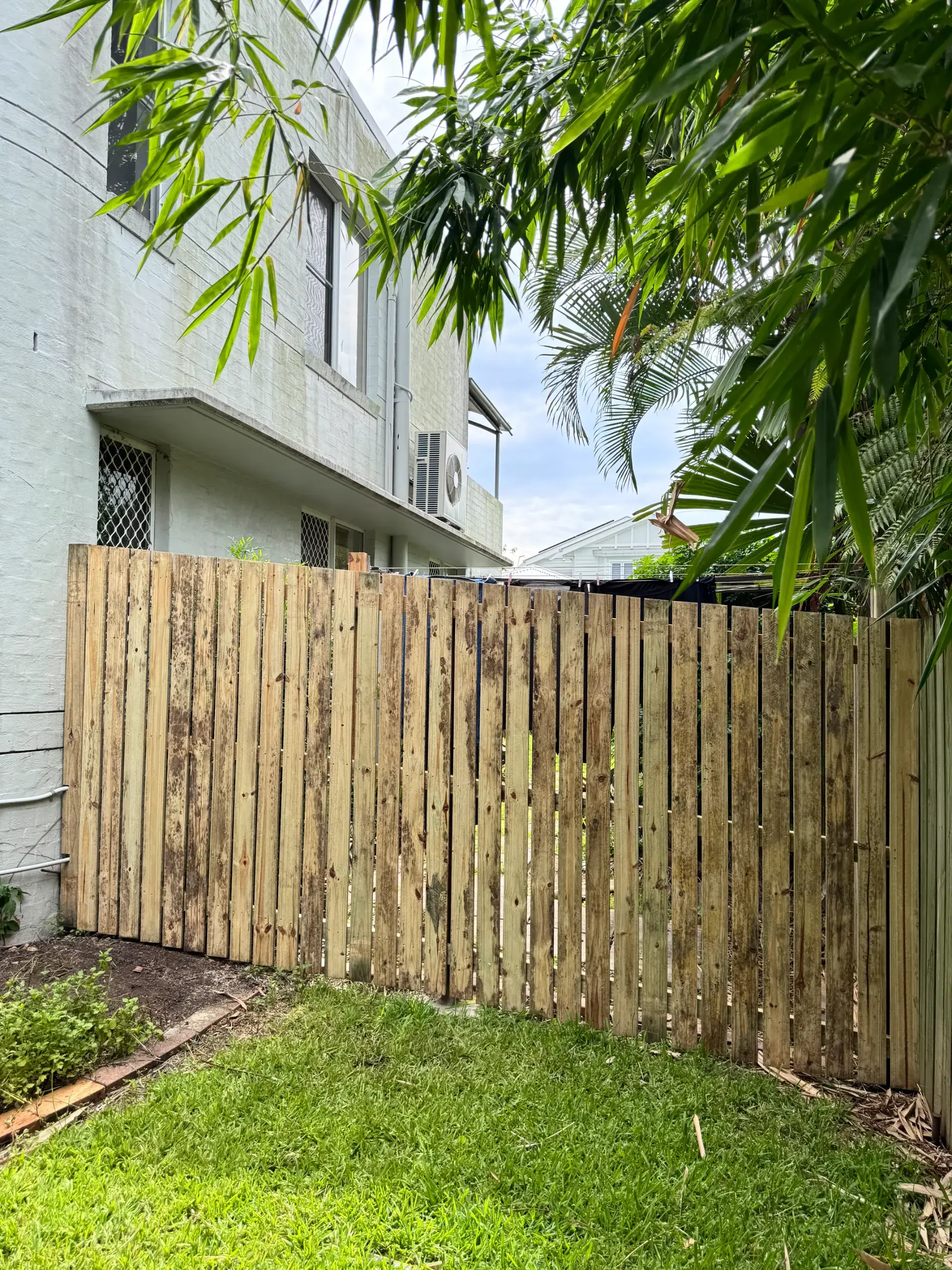
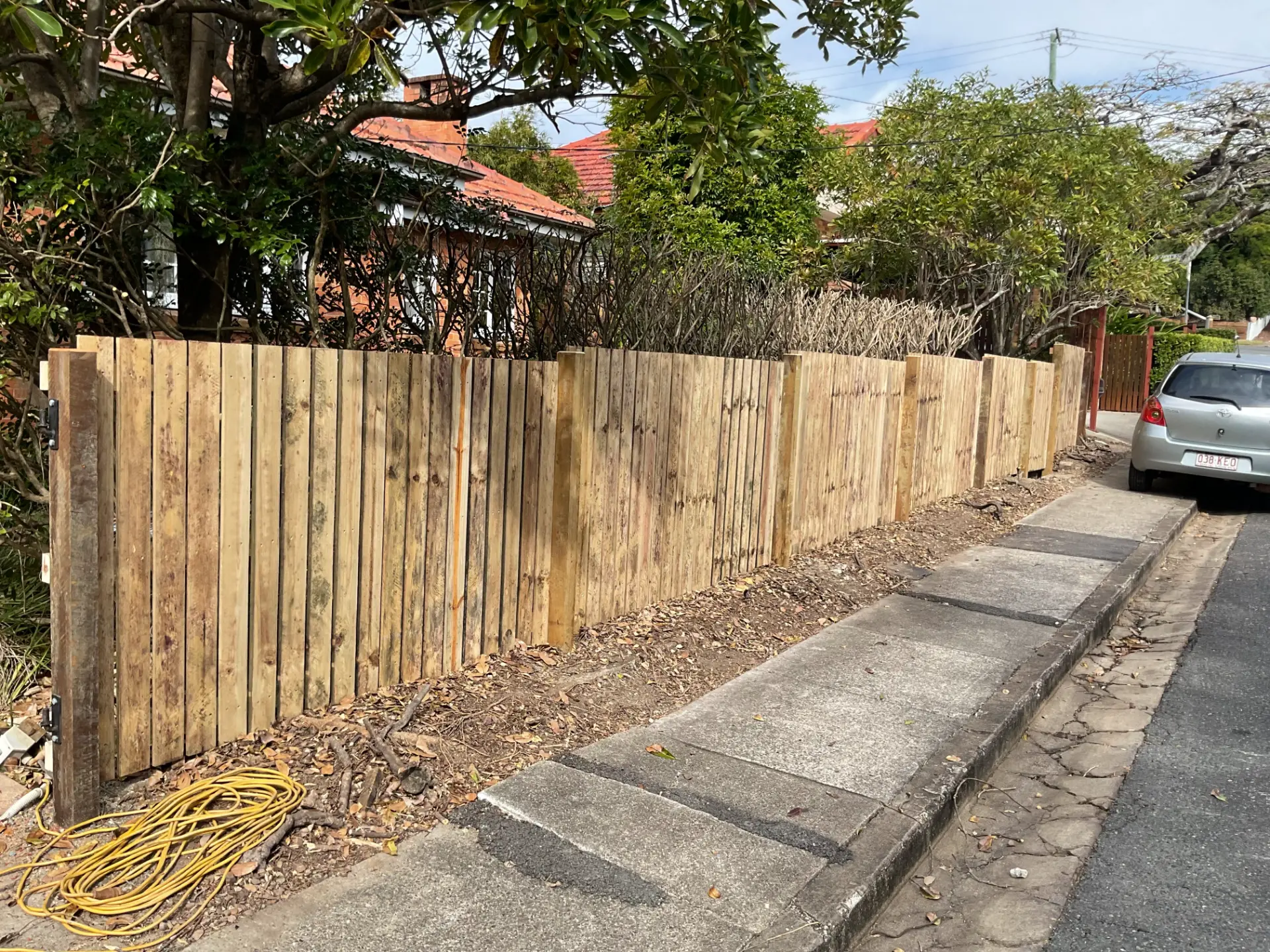
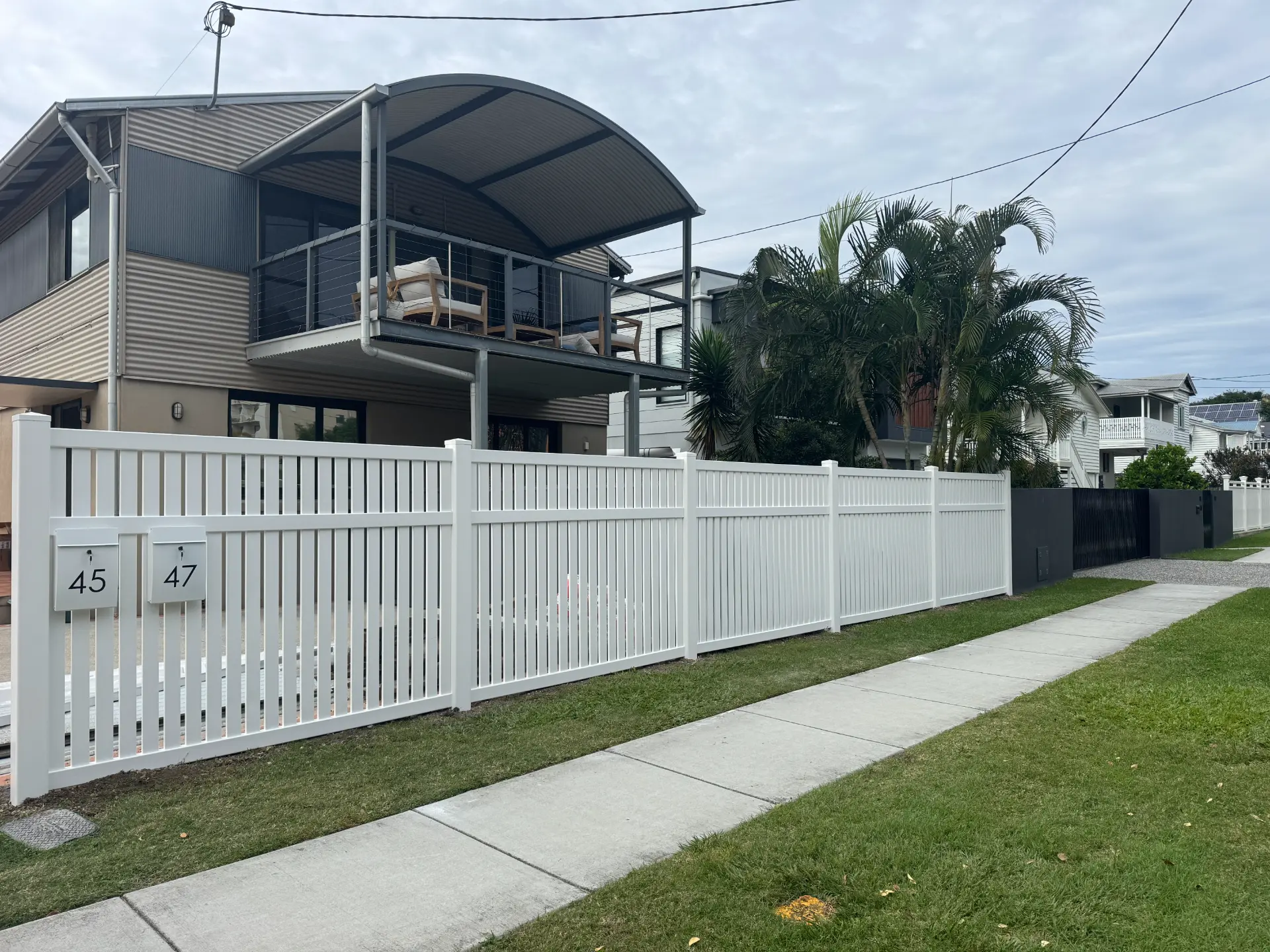
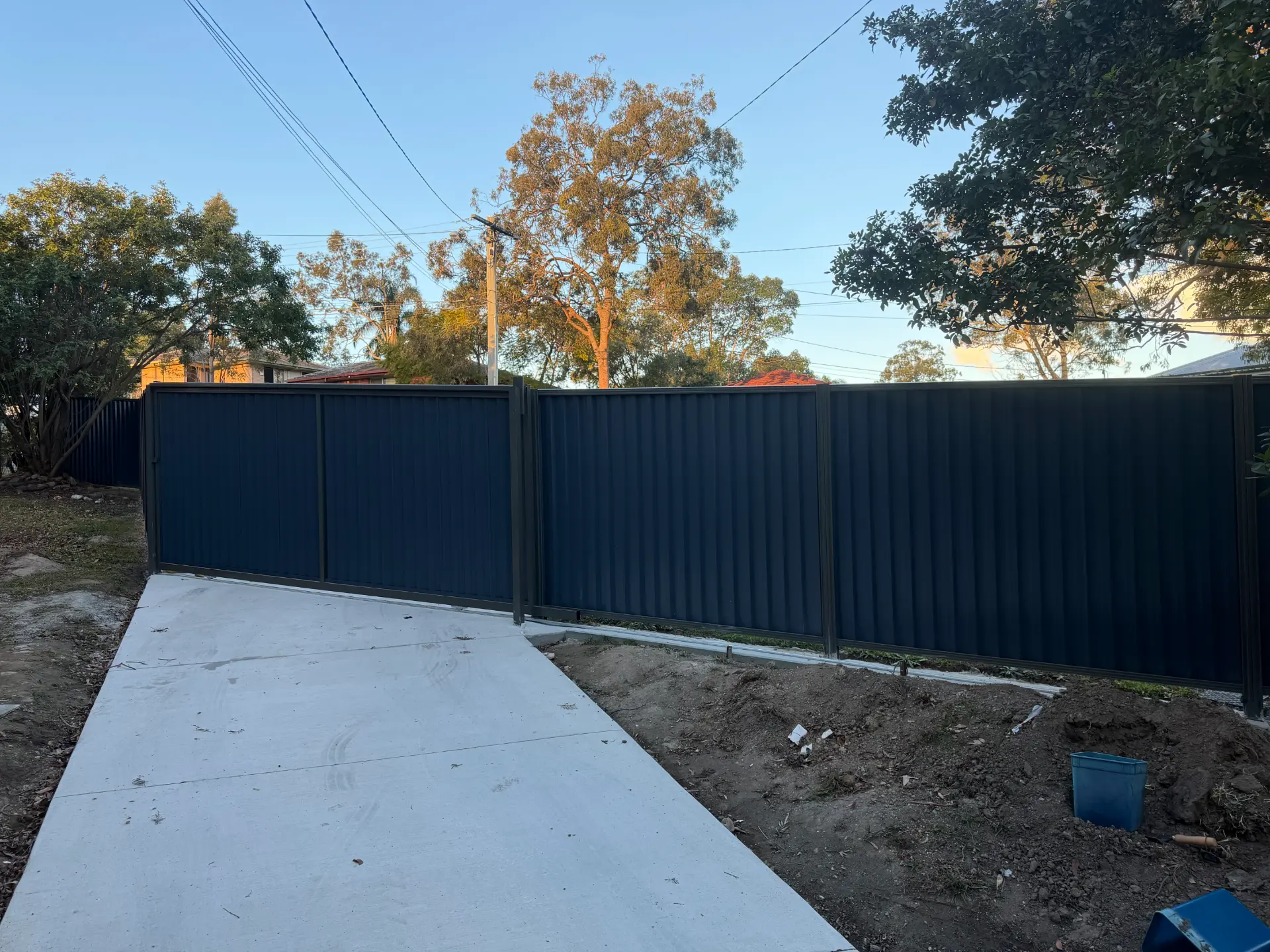
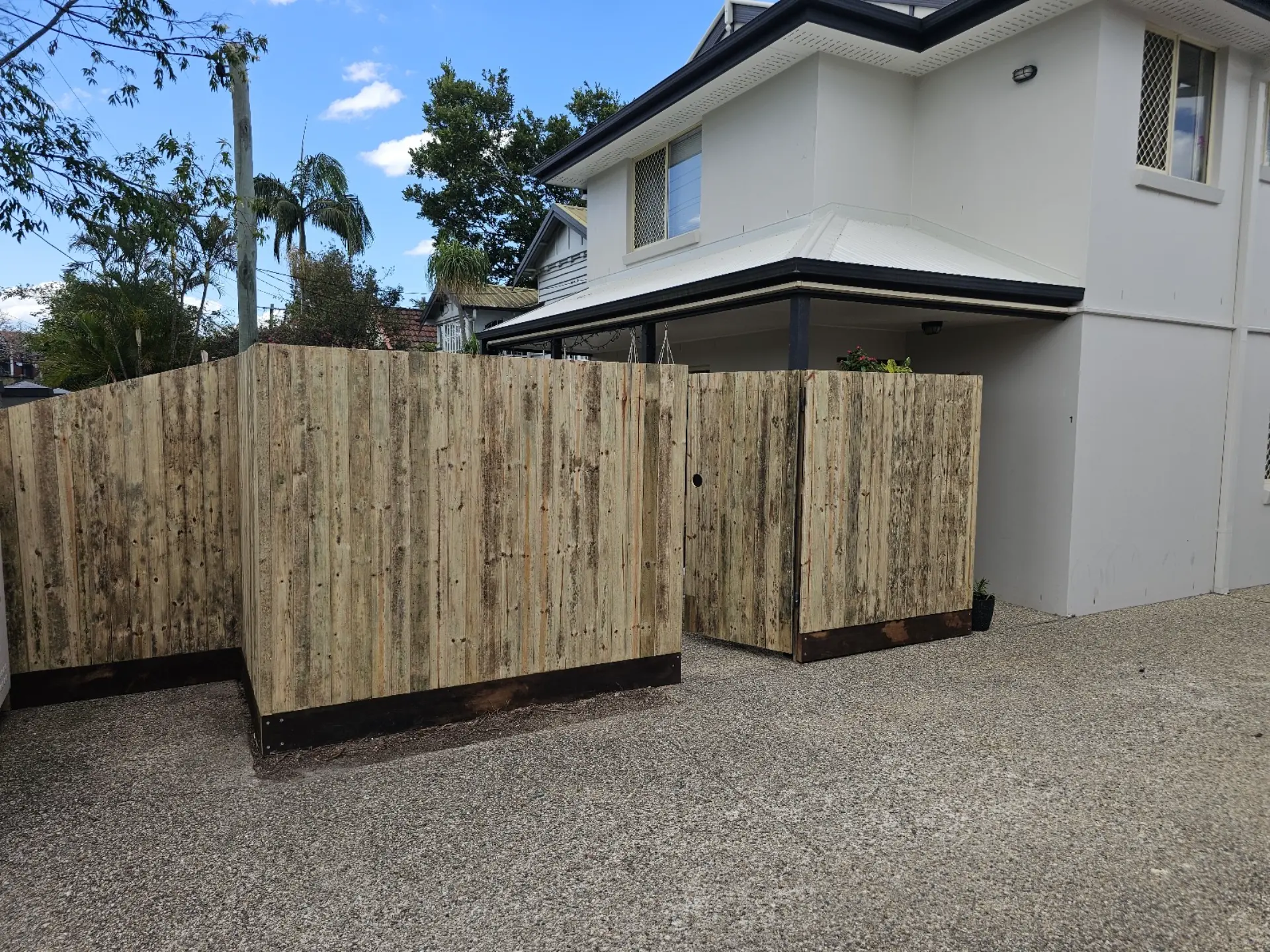
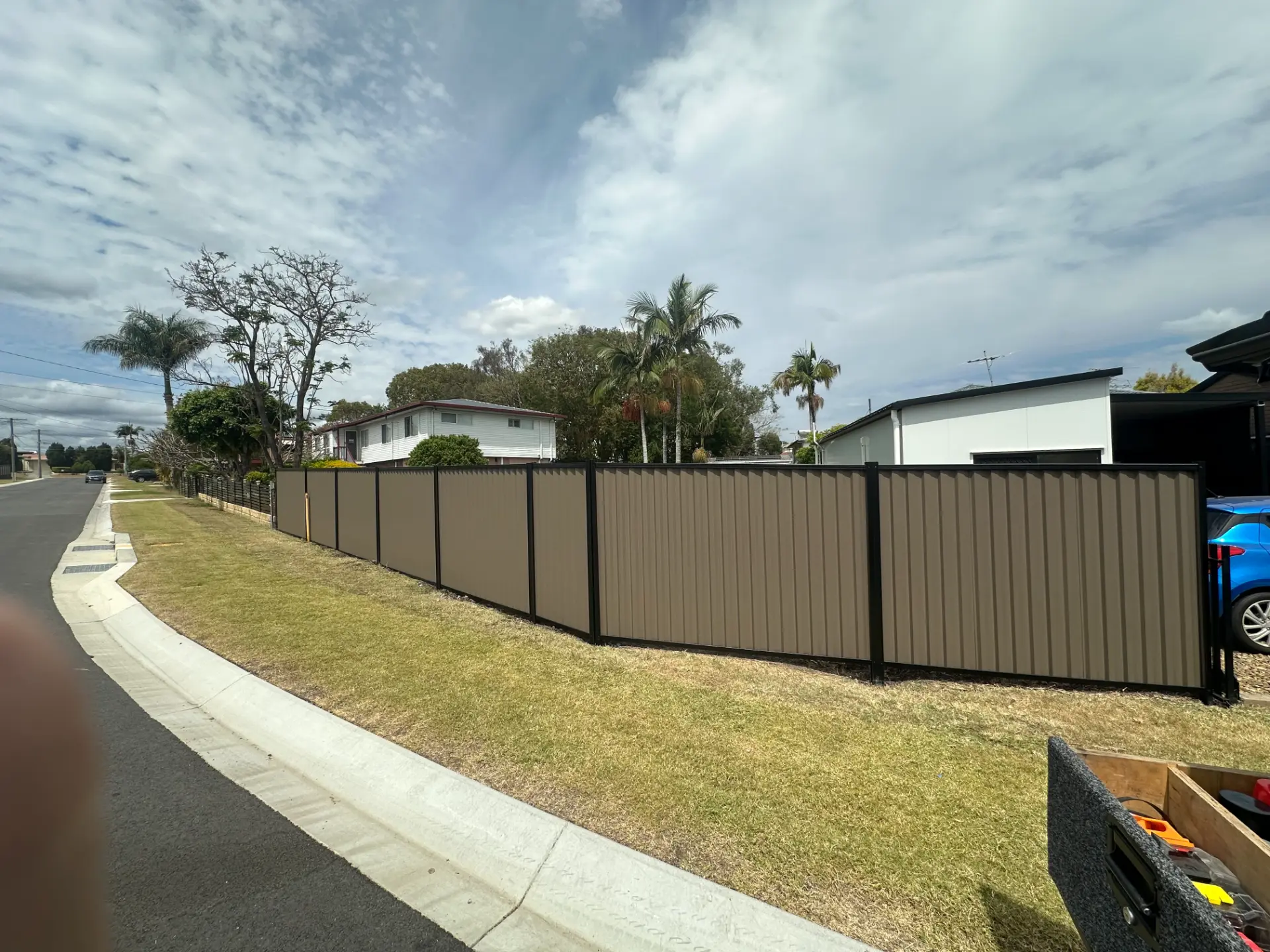
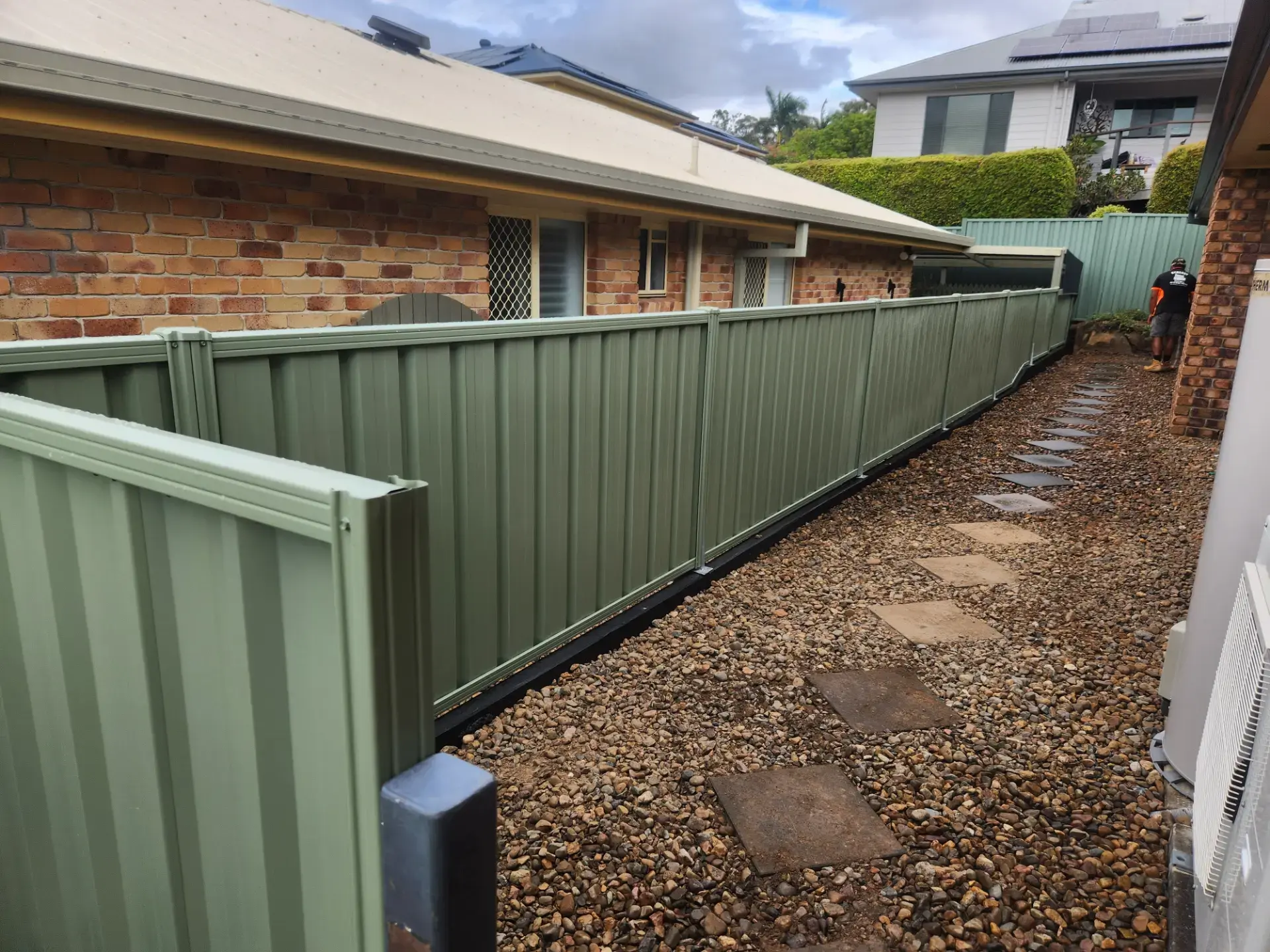
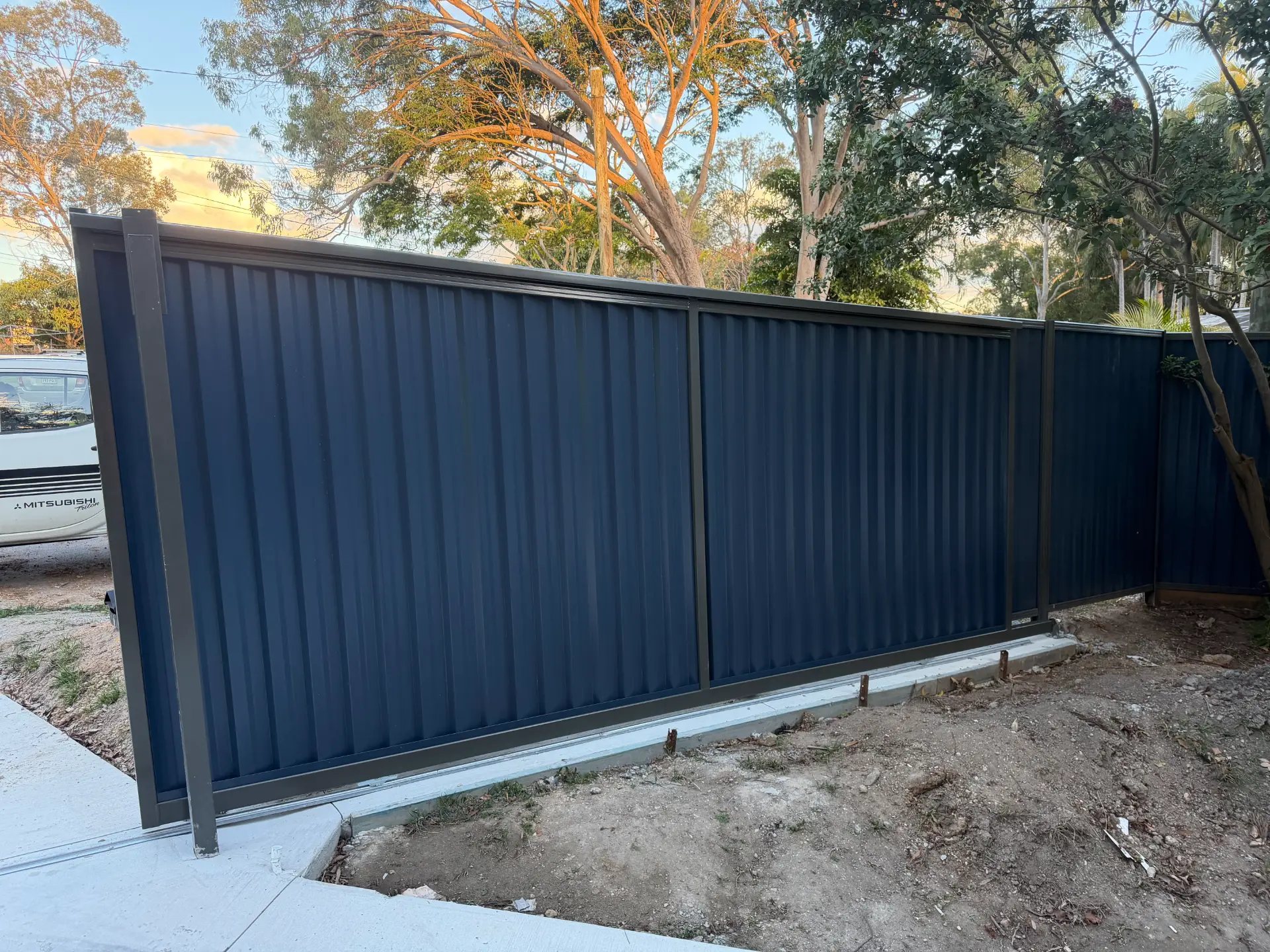
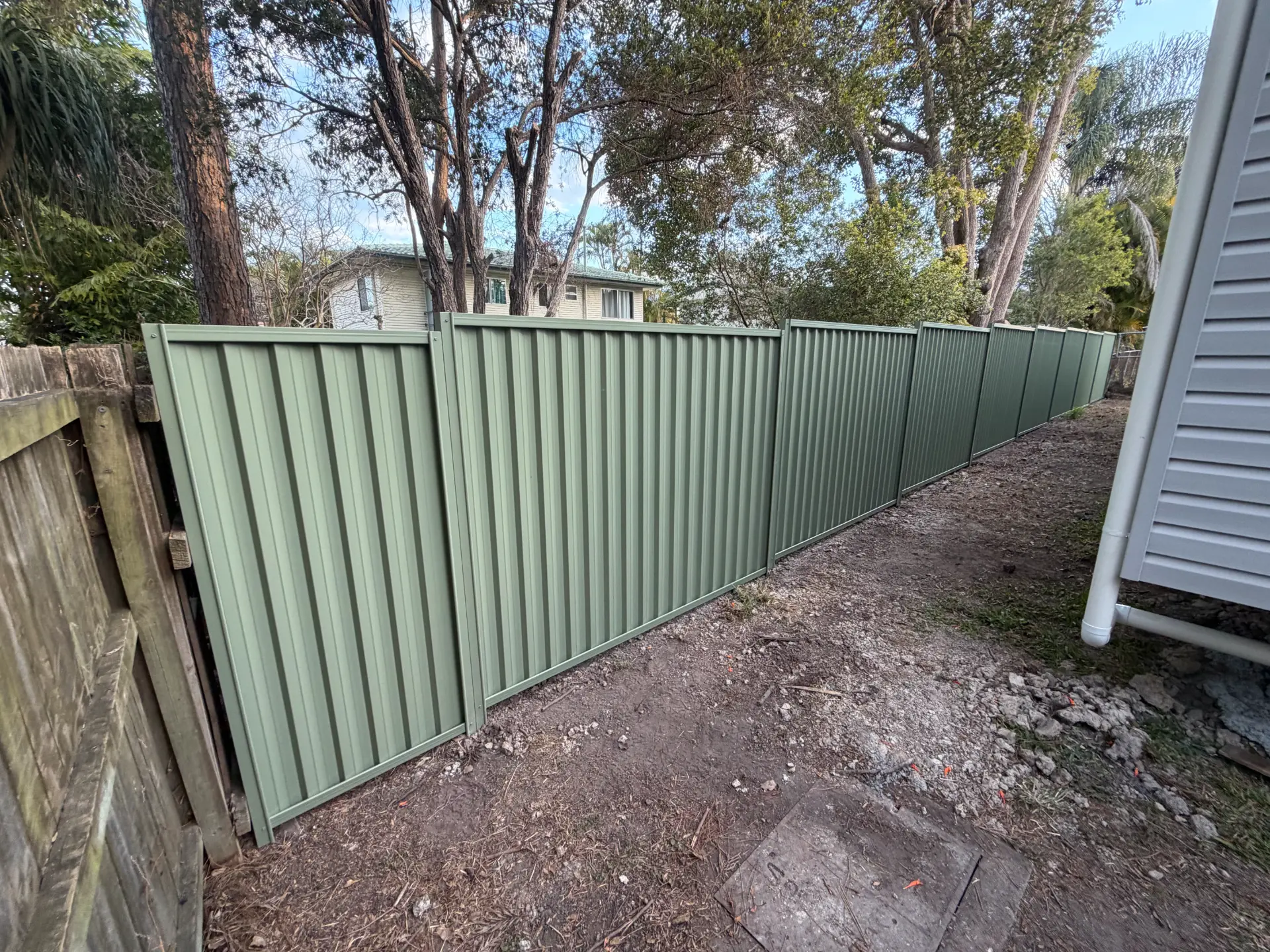
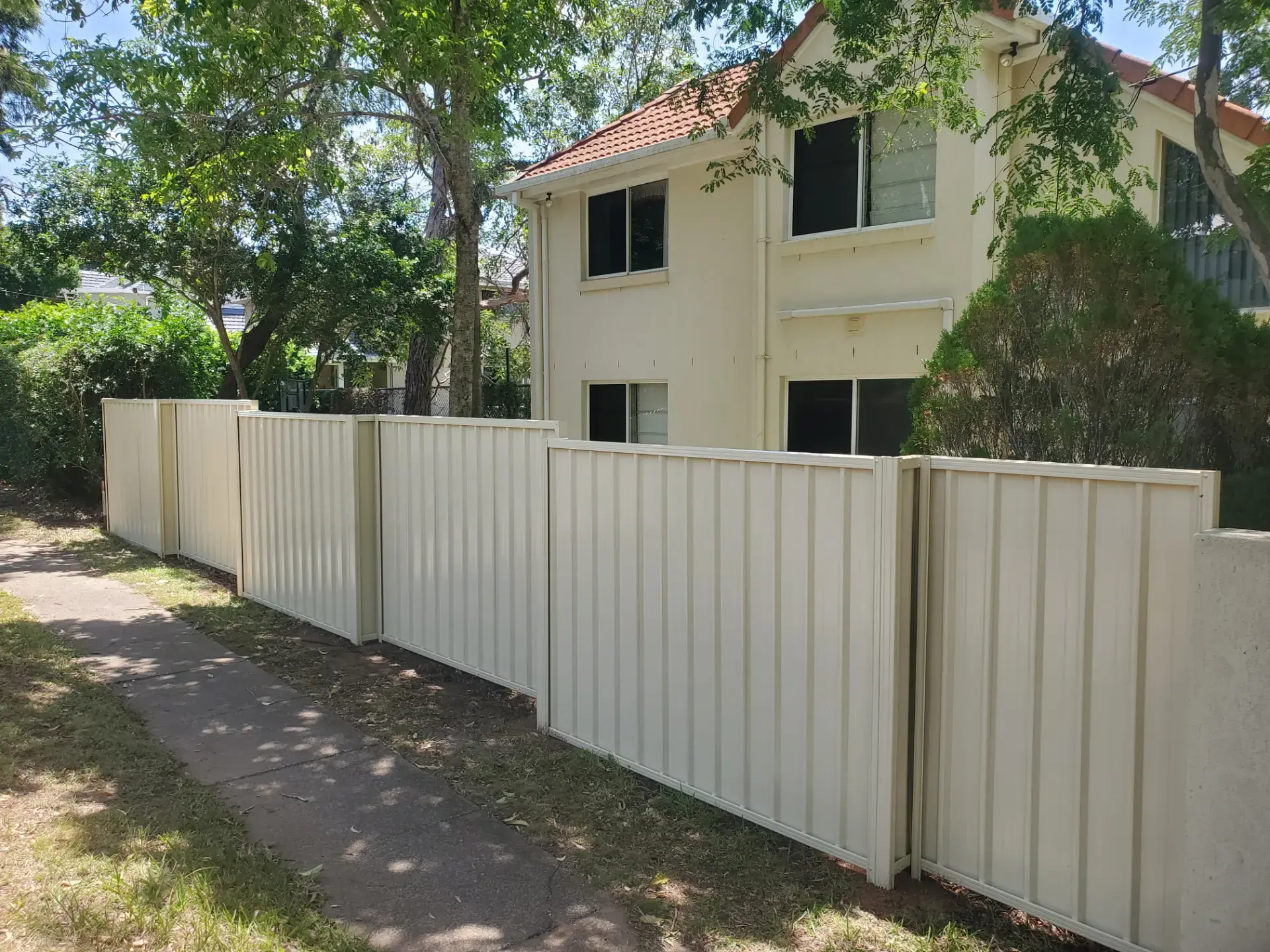
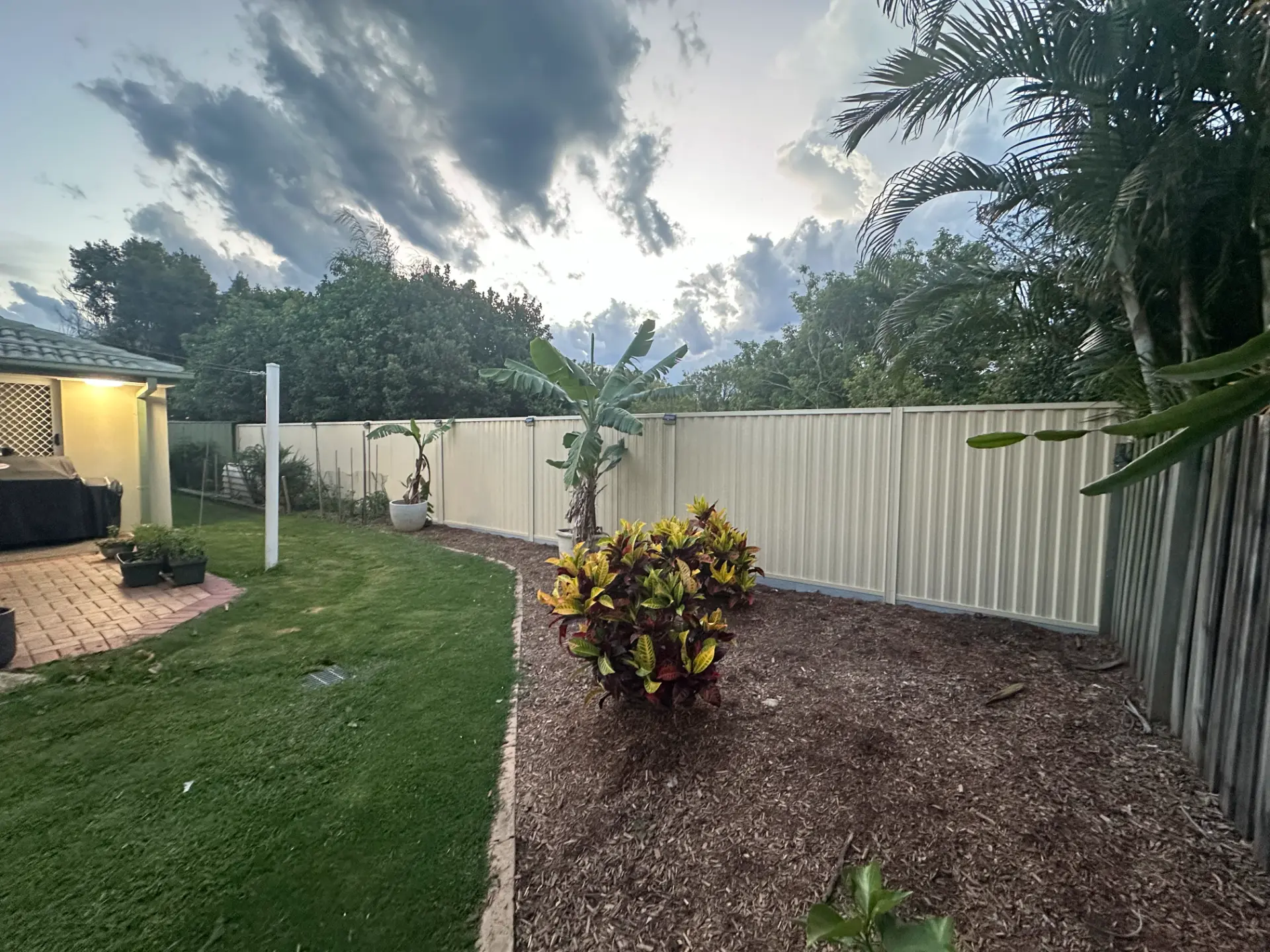
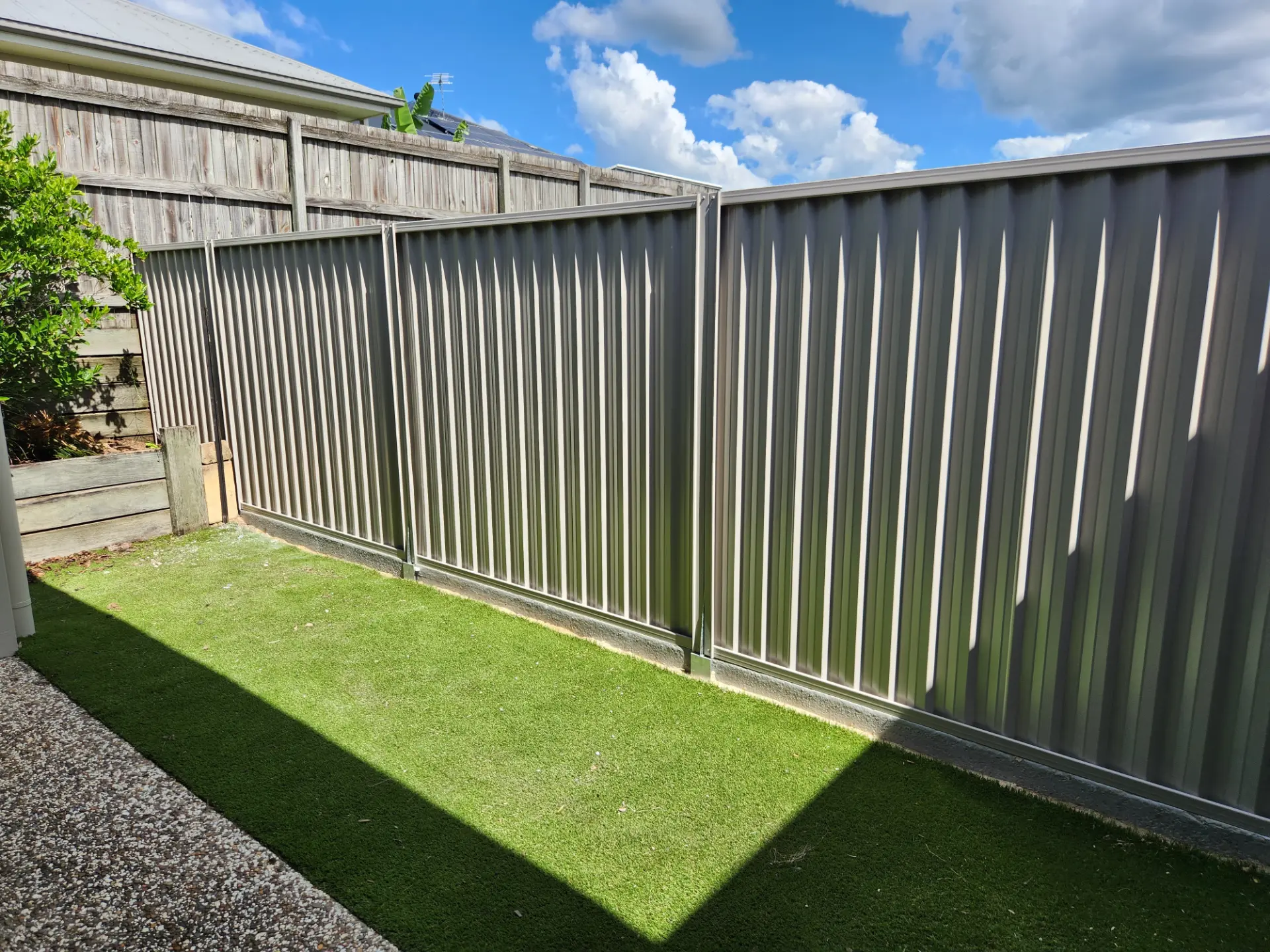
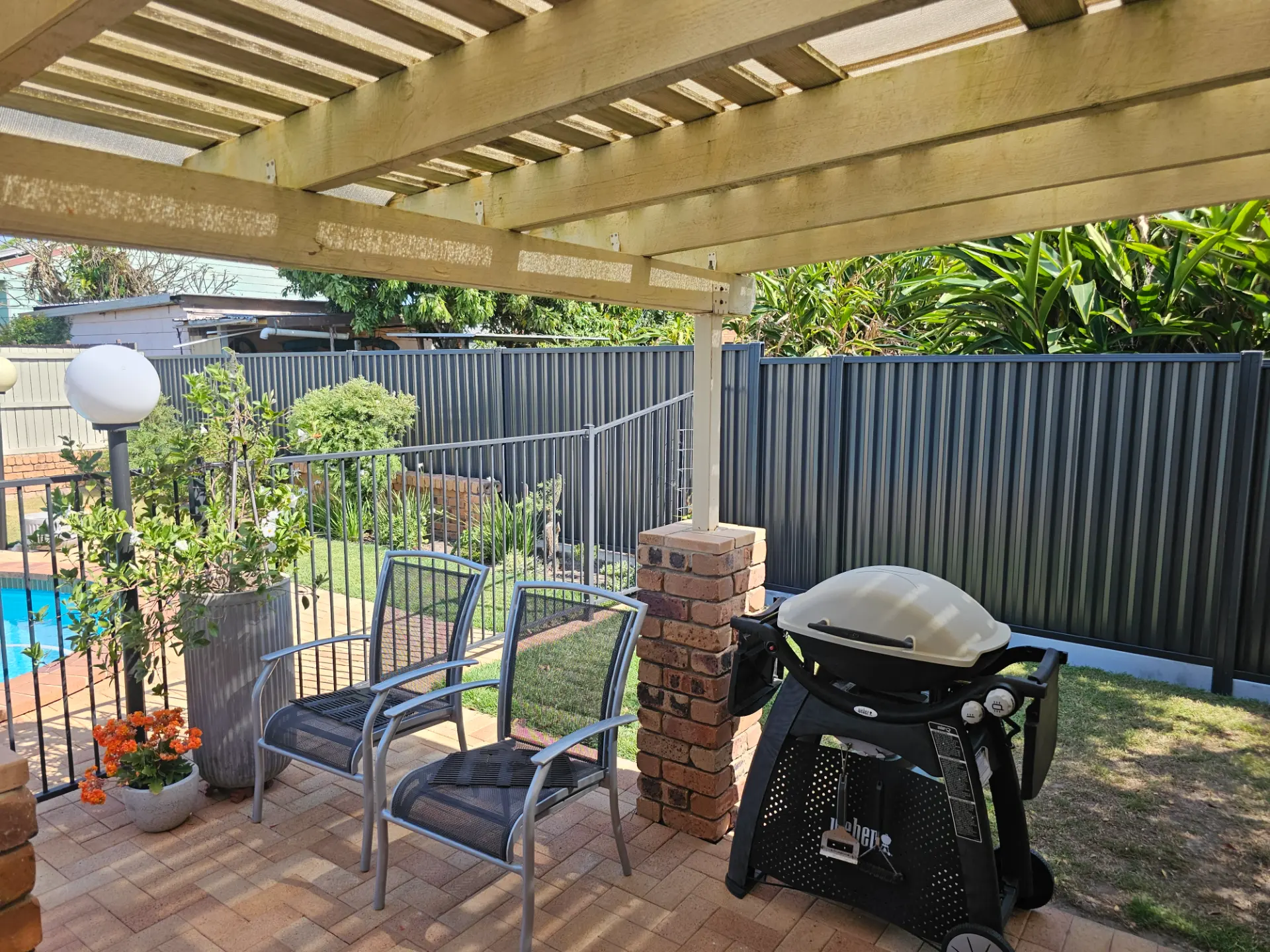
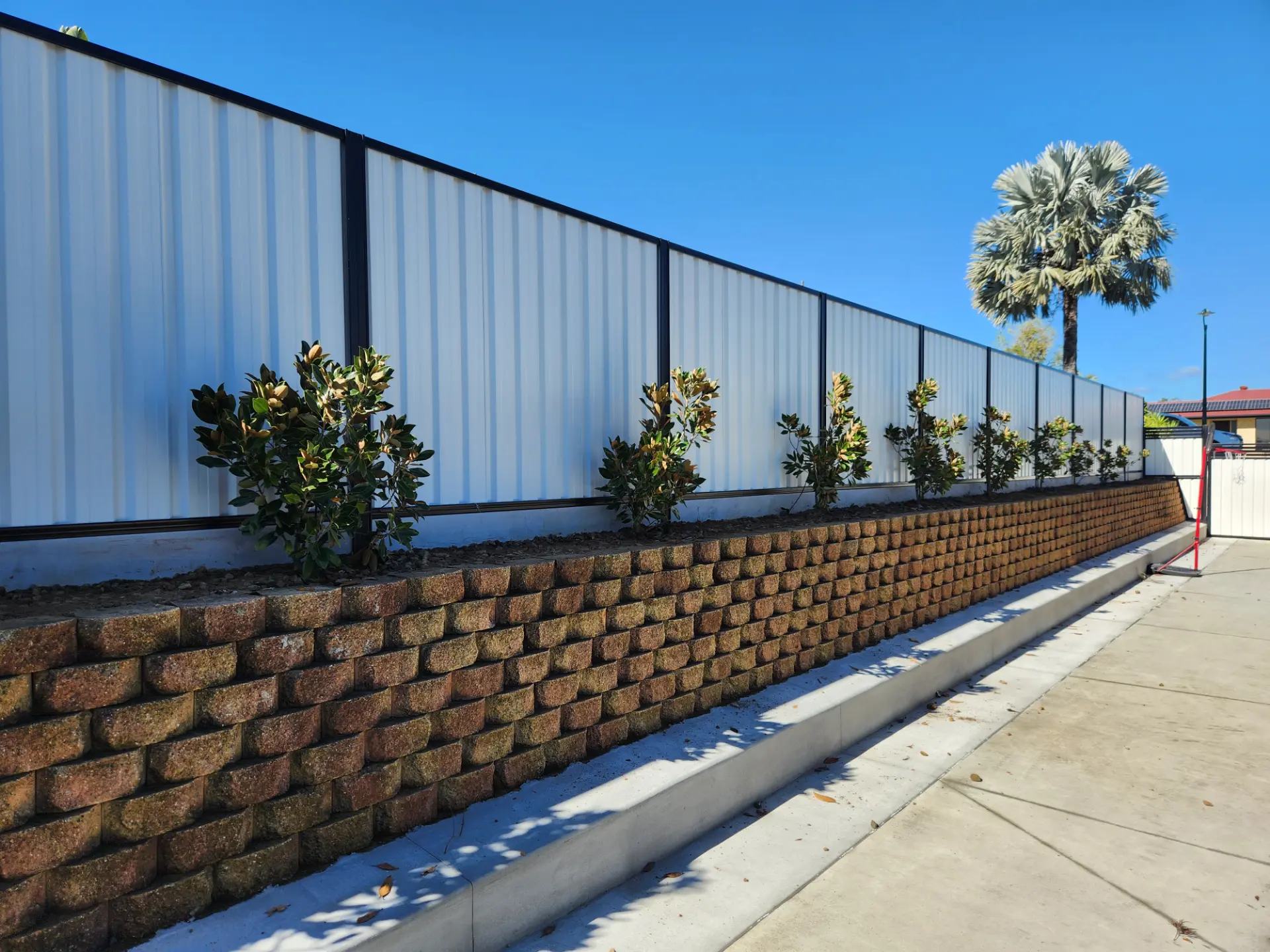
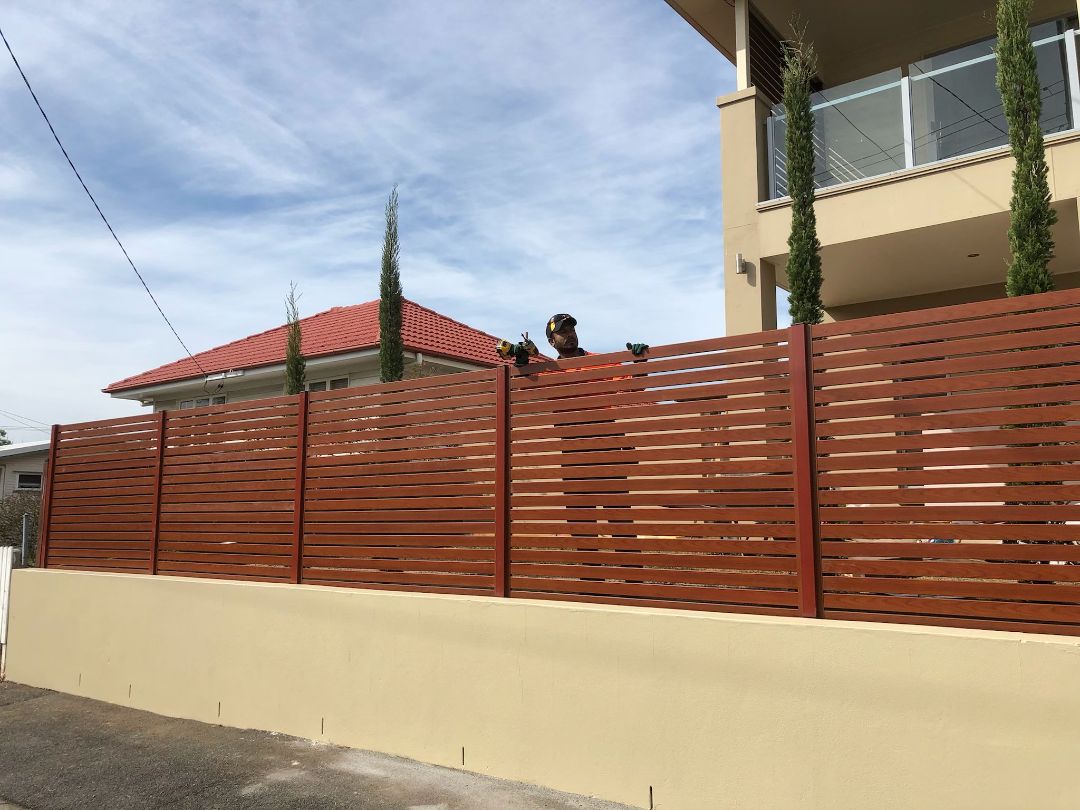
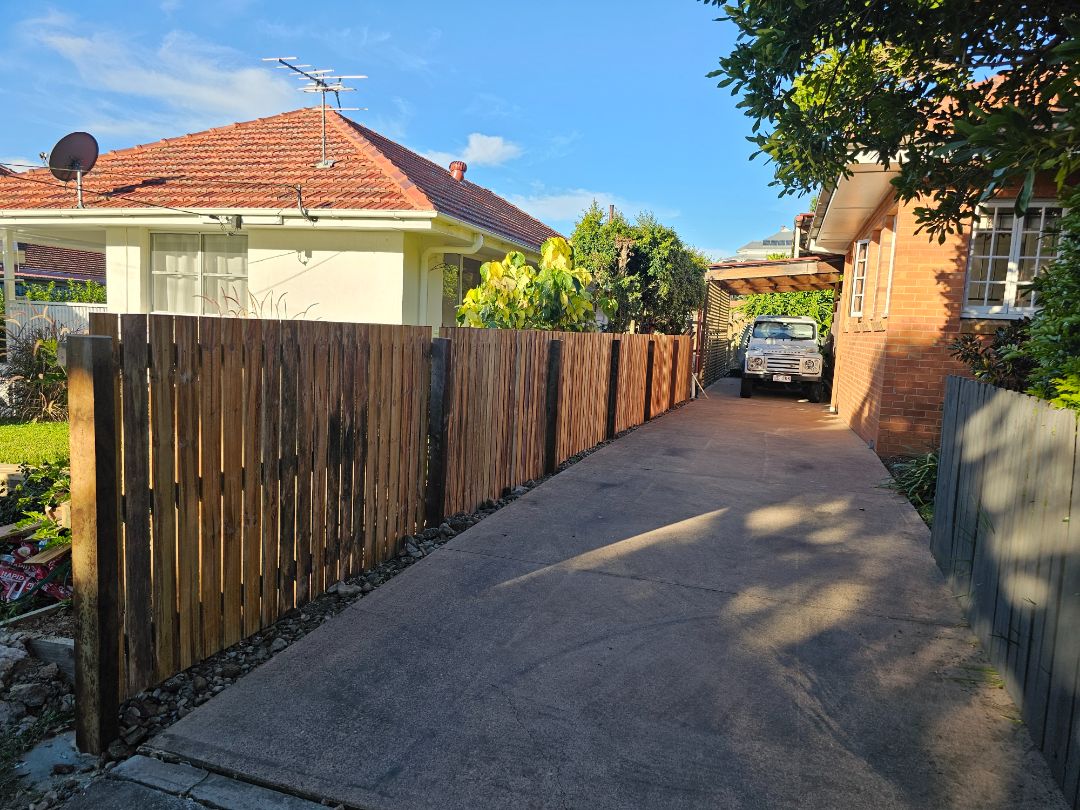
A standalone fence isn't "insurable work" under the scheme. If all you're having done is a fence — Colorbond, timber, gates — there is generally no home warranty premium, because a fence on its own isn't the kind of work the scheme covers. That surprises people, and it's worth knowing, because it means nobody should be adding a "home warranty" charge to a fence-only quote. If they are, ask why.
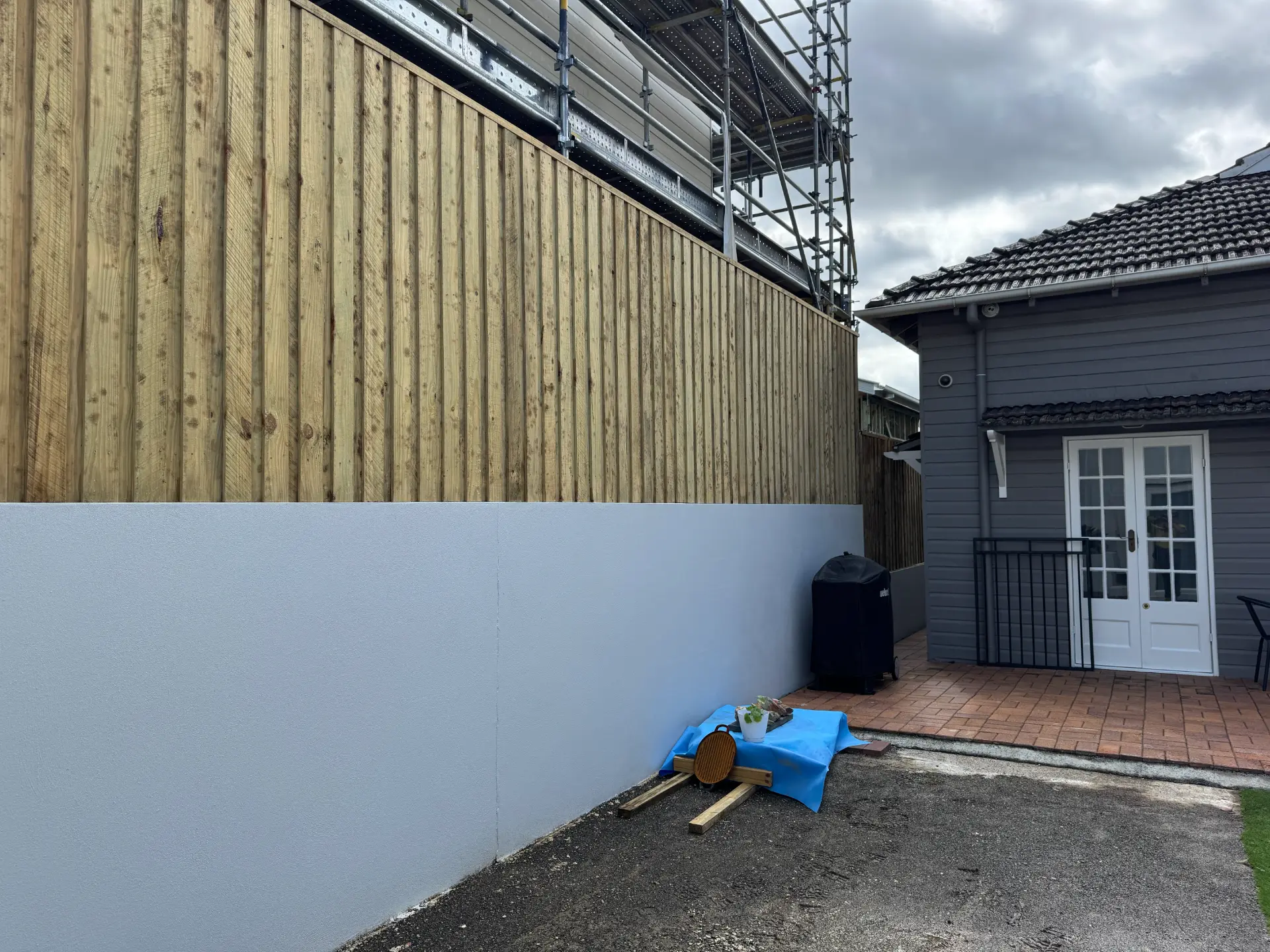
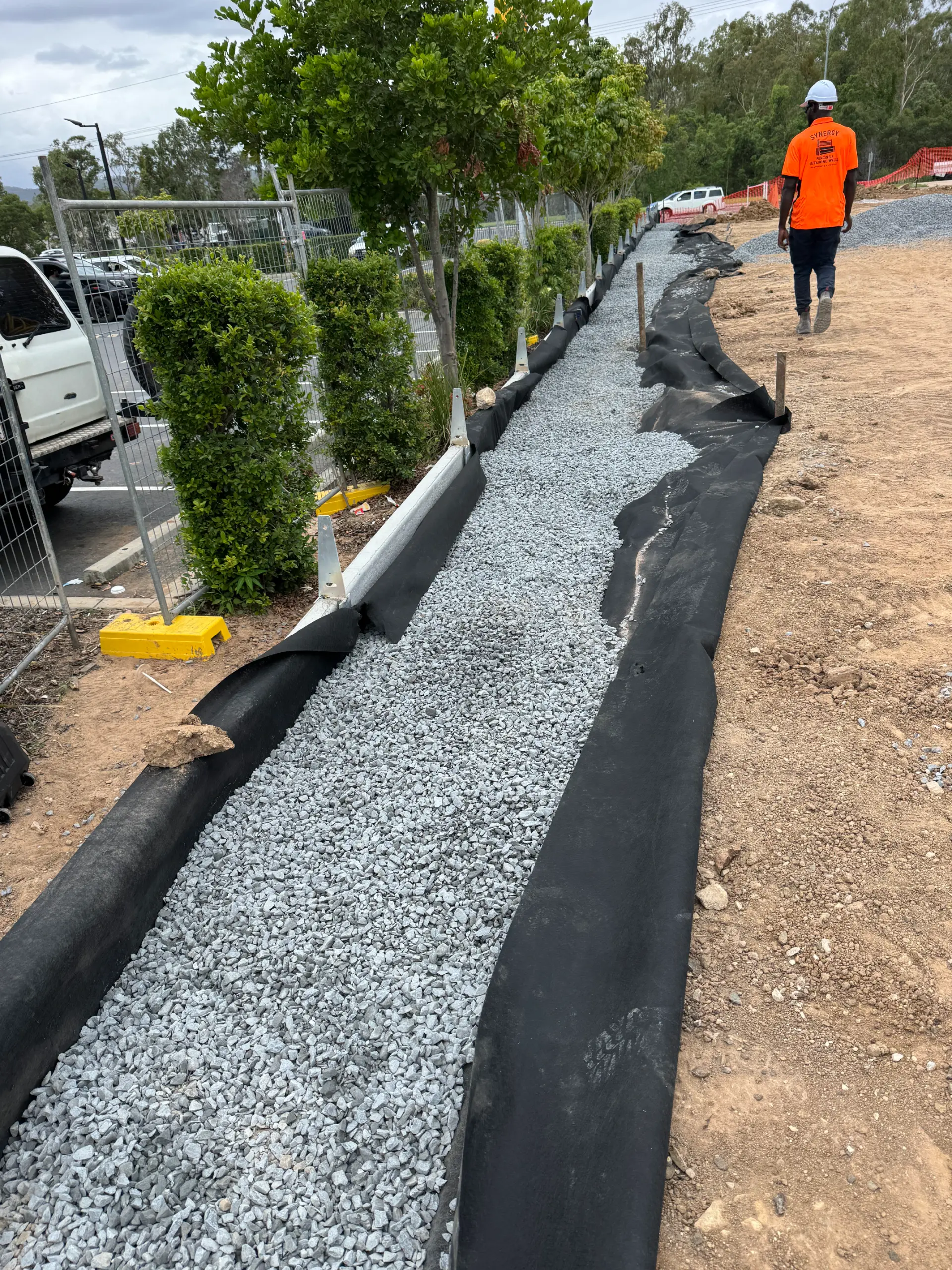
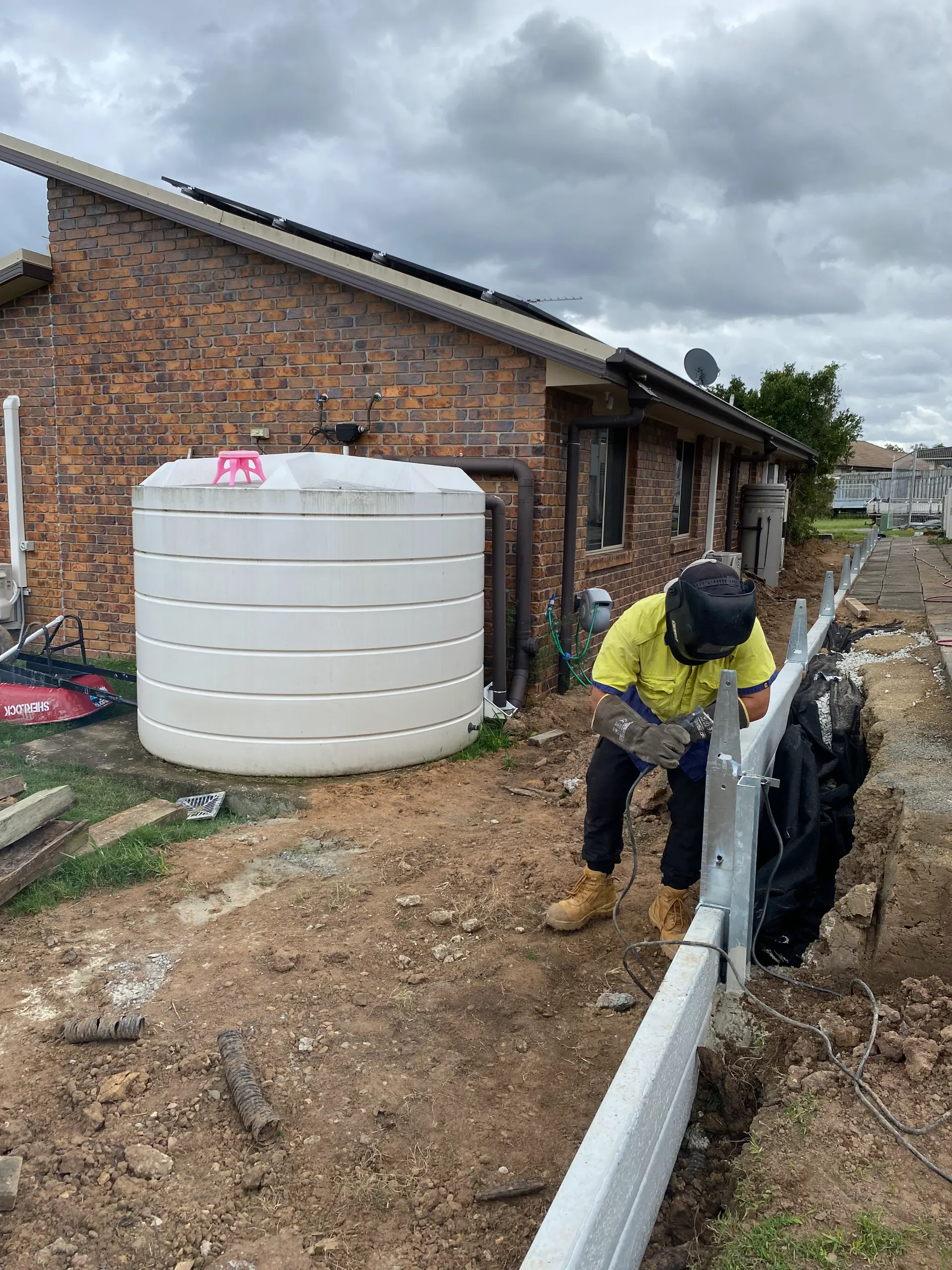
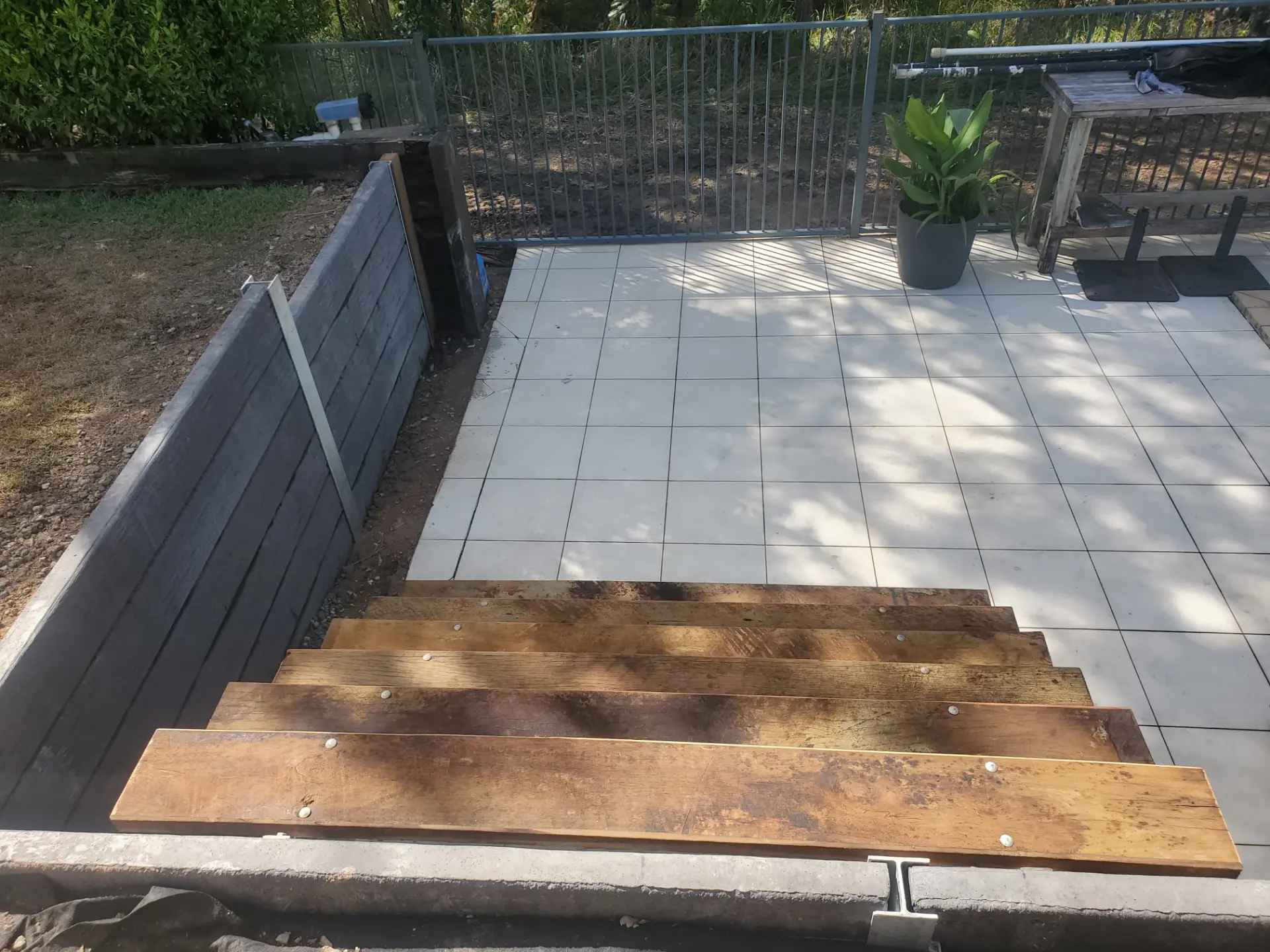
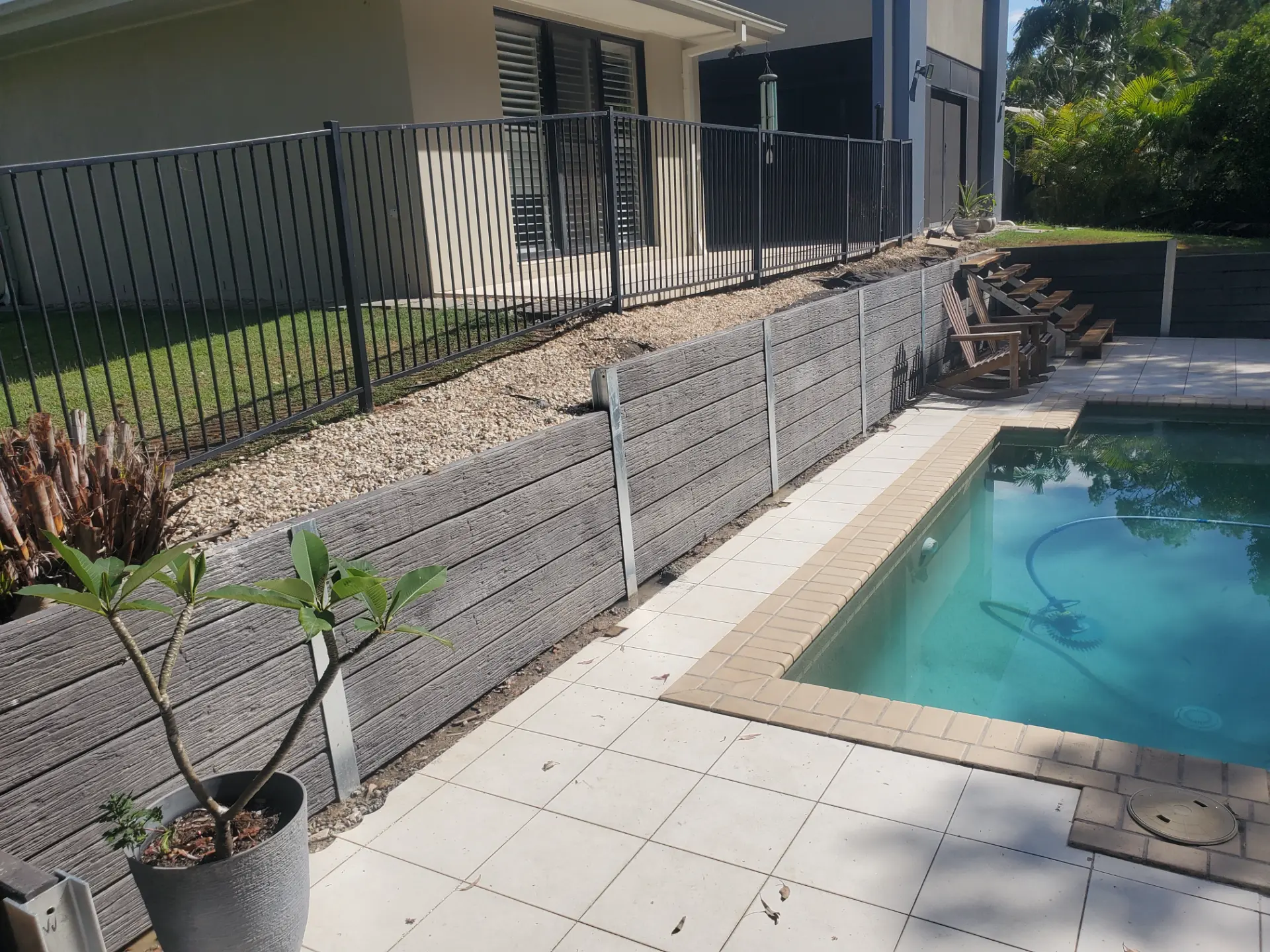
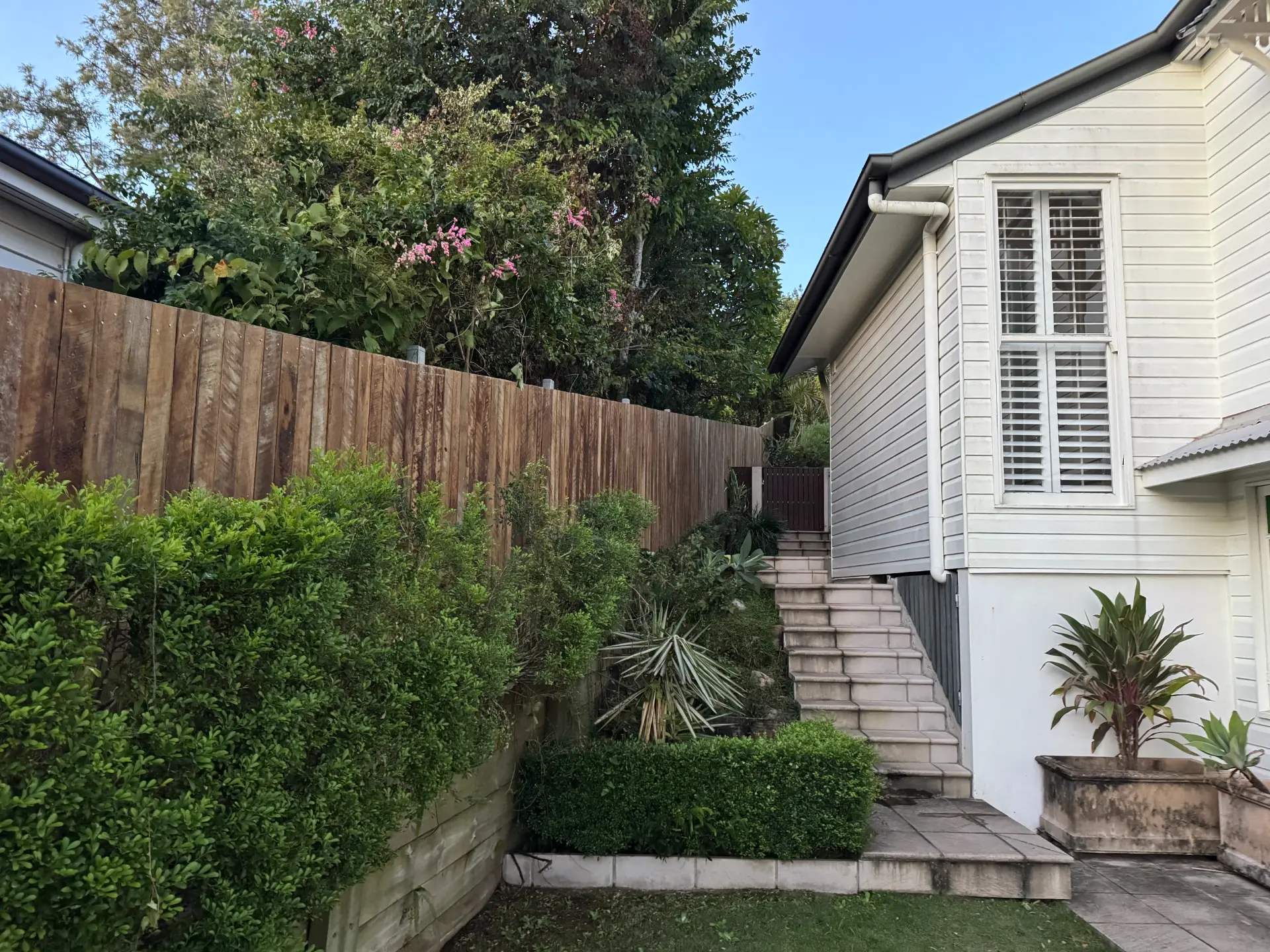
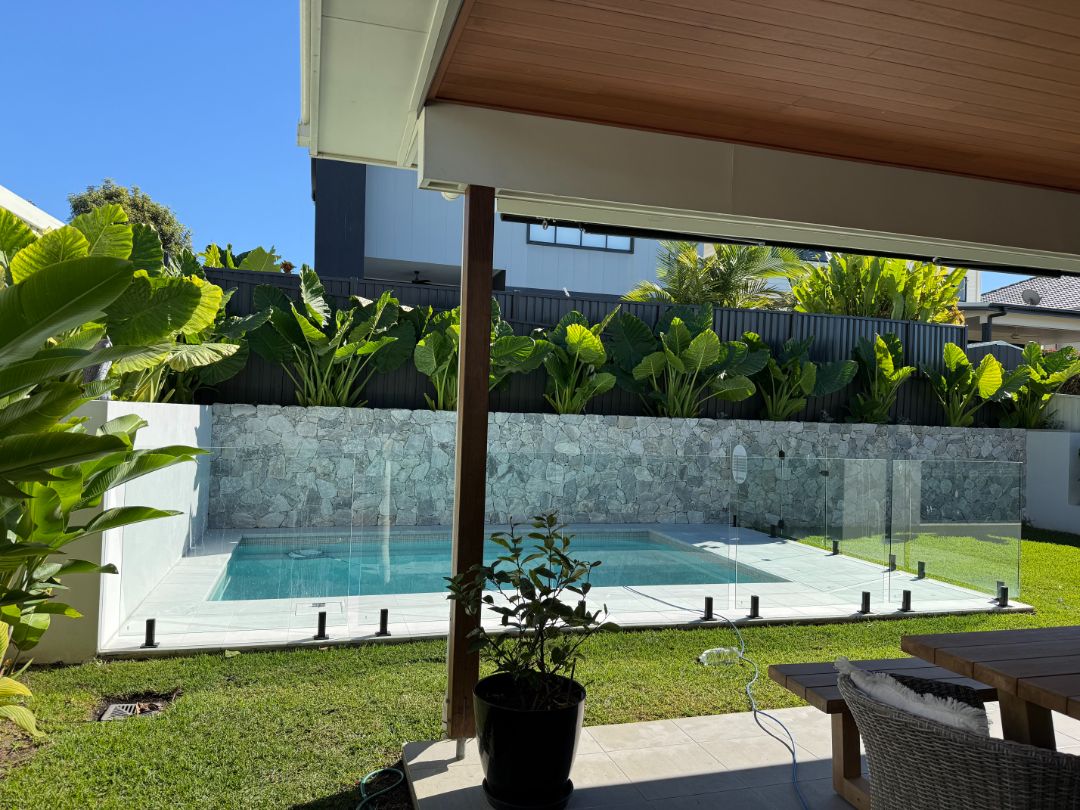
A structural retaining wall is different. A retaining wall that holds back soil or supports land or a structure is considered proper building work. Once that work is valued at more than $3,300, it is insurable — and the contractor is required to take out home warranty cover for it. So on a retaining-wall job over that threshold, you should see it handled.
And if fencing or landscaping is part of a bigger insurable build — say it's bundled into a new home or a larger project — it's covered as associated work under that overall contract.
So the honest, useful rule of thumb: fence on its own, no premium; structural retaining wall over $3,300, cover applies; part of a bigger build, covered with the build. A contractor who can tell you which bucket your job falls into is a contractor who knows the rules.
Who arranges it, and when
Where cover is required, it's not on you to sort out. The licensed contractor takes out the cover with the QBCC on your behalf — before the work starts, or within ten business days of signing the contract. The premium can only be collected from you within the legal deposit limits, so it should never be used as an excuse to demand a big up-front payment.
How the premium is worked out — and why you can check it
When cover applies, the premium isn't a number the contractor invents. It's set by the QBCC on a fixed published table, based on the insurable value of the work. Every licensed builder in Queensland pays off the same table, which means you can check it. If the premium on your quote doesn't line up with the value of the work, you're entitled to ask why.
Two things are worth knowing about how that table behaves. The premium doesn't rise in a straight line — it steps up in bands, so two jobs a few thousand dollars apart can sit in the same band and pay exactly the same premium. And as a share of the job, it's small: on most residential work it lands well under one per cent of the insurable value. That's a genuinely cheap safety net for the protection it gives you.
The current rates are published by the QBCC, and because they're updated from time to time, the QBCC's own premium calculator is the place to check the figure for a specific job rather than relying on a number quoted anywhere else.
What this tells you about who you're hiring
This is quietly one of the best contractor tests you have.
A contractor doing things properly will know exactly whether your job is insurable, arrange the cover where it's required, price the premium straight off the table, and never bolt a "home warranty" charge onto a job that doesn't need one. Someone cutting corners might skip cover on a structural retaining wall that clearly needs it, get vague when you ask, or slip a warranty line onto a fence-only quote to pad the total.
So when you get your next quote, ask three simple questions: Is my job insurable under the scheme? If it is, will you arrange the cover before work starts? And does the premium match the value of the work? A good contractor will be glad you asked.
The Synergy way
We know exactly which jobs attract home warranty cover and which don't, and we handle it the right way where it applies — cover arranged before we set foot on site, priced off the table, no phantom charges on work that doesn't need it. Your protection isn't an afterthought, and it's never a place to hide a bit of extra margin.
That's the whole idea behind how we work: the difference is in the details, especially the ones you can't see yet.
Comparing quotes, or not sure whether your fencing or retaining job needs cover? Give us a call on 07 2141 7748 or request a free quote — we'll tell you straight.
This article is general information only and is not legal, financial or professional advice. Every job and every homeowner's situation is different, so you should consider your own circumstances and options and seek independent advice where you need it. What counts as insurable work, cover limits and premium tables are set and updated by the QBCC — always confirm the current position directly with the QBCC for your specific job before you rely on it.
More Blogs



Ready to start? So Are We.
