

The questions that protect you before you pay
The questions we'd want our own family asking before signing anything, along with what a good answer actually sounds like.
Replacing a fence should be a straightforward thing. You find someone, they do good work, the job gets done. For a lot of people it doesn't feel that simple and usually there's a reason. Maybe you've been let down before. Maybe you've heard the stories from a neighbour or a mate about a deposit that went across and a contractor who never came back.
We hear those stories all the time. On average we speak with at least one person a week who has lost around half their deposit to a contractor who never finished the job. By the time they call us they're understandably wary and fair enough.
So we wanted to hand over something useful. These are the questions we'd want our own family to ask before signing anything, along with what a good answer actually sounds like. Most companies doing honest work will happily answer every one of these. If someone gets cagey or brushes you off, that tells you something too.
Before they quote
Ask if they'll come out and see the job in person.
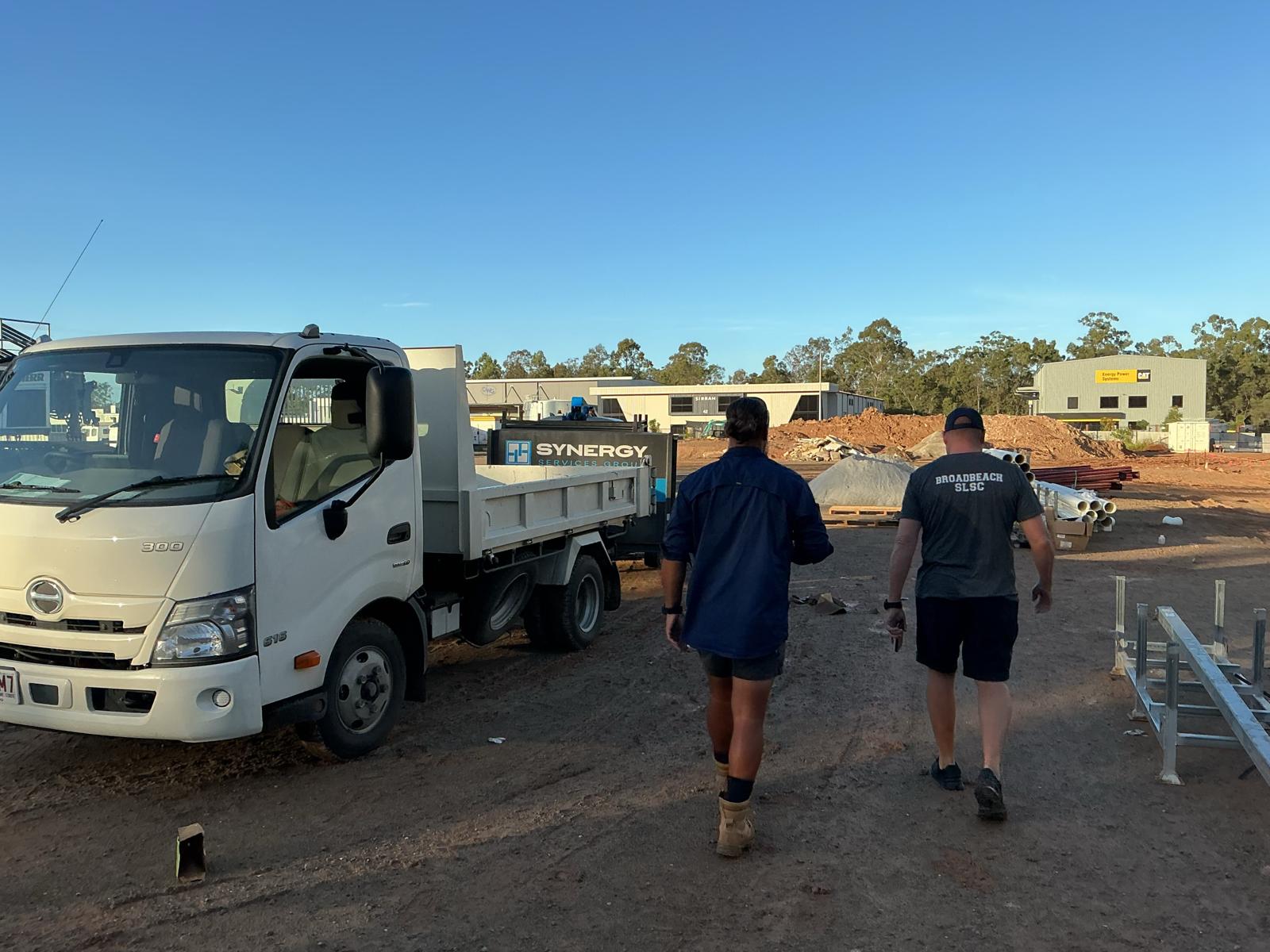
A proper site visit should be standard, not a premium. Part of it is accuracy, because there are things about a job you can't check over the phone. The fall of the land, the state of the ground, what's actually holding the old fence up. The bigger part is that it gives you a chance to get a feel for the person and you learn more in those ten minutes than in any phone call.
Here's what's worth noticing while they're there.
Green flags
- Turns up when they said they would or lets you know if they're running late.
- The vehicle is clean, branded and set up for work.
- Walks the whole fence line and checks both sides rather than glancing from the driveway.
- Points out the tricky parts of your job and explains what they'd do about them.
- Gives you options and talks through the pros and cons of each.
- Takes their time with your questions instead of rushing you off.
- You hear about the awkward parts of the job, not just the easy ones.
Red flags
- A price quoted sight unseen or won't commit to coming out at all.
- Vague answers when you ask how they'd handle a problem.
- Questions make them defensive or short with you.
- In and out in two minutes without really looking.
- Everything sounds easy and nothing about your job is a challenge.
- Price is the only thing they want to talk about.
A site visit makes the problems real. Over the phone, a bit of fall in the ground or a rotten post sounds like nothing. Standing in your yard, someone can point at it and show you exactly why it matters and what it means for the job. By the end of it you shouldn't just have a price. You should have a decent read on whether this is a person you'd trust in your backyard.
About the quote
Ask what the quote actually includes.
A solid written quote spells out what's being used rather than lumping it under "fencing materials". You want to see the post depth and type, the rail and paling specs and the gate hardware. It should also confirm whether the old fence is being removed and disposed of. That last one gets left off constantly and catches people right at the end of a job.
Ask for the payment stages in writing.
Deposit, any progress payments and the balance on completion should all be on the page, not promised over the phone. If a contractor won't be clear about what's owed and when, there's often a surprise invoice waiting somewhere down the line.
The credentials that matter
For residential fencing in Queensland, these are worth checking before anything is signed.
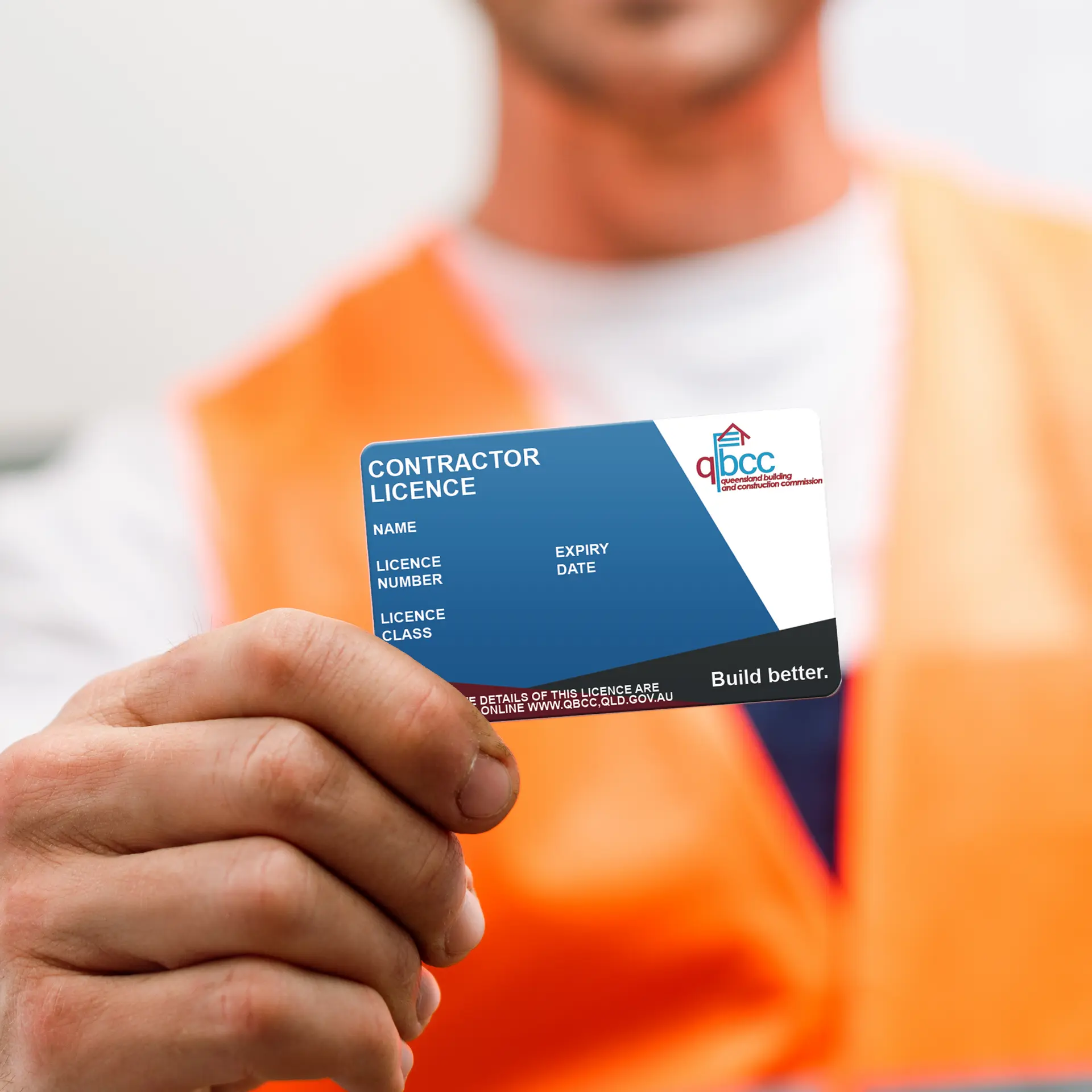
- A QBCC licence, which is required for trade work over $3,300
- Public liability insurance
- Engineering and council approval for any retaining wall over one metre
Asking to see these isn't rude. Anyone doing the right thing has them ready to go.
About the people and the process
Ask who will actually be on your property.
Your home is your place of peace and you have every right to know who's coming through the gate before they arrive. A good answer names people rather than sending whoever happens to be free that week.
Ask how they handle something unexpected.
In this trade the unexpected is called a variation and it can add real cost to a job. The answer you want isn't "that won't happen". It's an explanation of how they spot problems at the site visit before they become your problem and how they'd talk any change through with you before a single extra dollar is spent.
Ask how they'll keep you in the loop.
Photos as the job goes, a heads up on what's happening each day, a name you can call. You shouldn't have to wonder what's going on in your own backyard.
After the job
Ask what happens if something isn't right.
No job is ever beyond a hiccup and how a contractor responds to one says more than any brochure. What you're listening for is someone who owns it, checks it and books it in to be fixed without argument or blame.
A quick word on price
The cheapest quote can end up costing the most.
A low number sometimes means corners you won't notice until later, or a variation that arrives once the deposit is already gone. None of that means you should overpay. It means asking what the price actually buys you, so you can weigh the value rather than just the figure at the bottom of the page.
Good contractors won't flinch at a single question on this list. We'd rather you ask all of them, because the people who ask the most tend to be the happiest at the end. If you're weighing up a fence or a retaining wall and want to run through any of this, we're always happy to talk it through and give you our honest take on what the job needs.
More Blogs
.webp)
.webp)
.webp)
%20(1).webp)
.webp)
.webp)
.webp)
.webp)
.webp)
.webp)
.webp)
.webp)
.webp)
.webp)
.webp)
.webp)

Ready to start? So Are We.
