

Sharing a fence with your neighbour and how to handle it well
Everyone deals with a shared fence eventually, though almost nobody actually knows how it's meant to work.
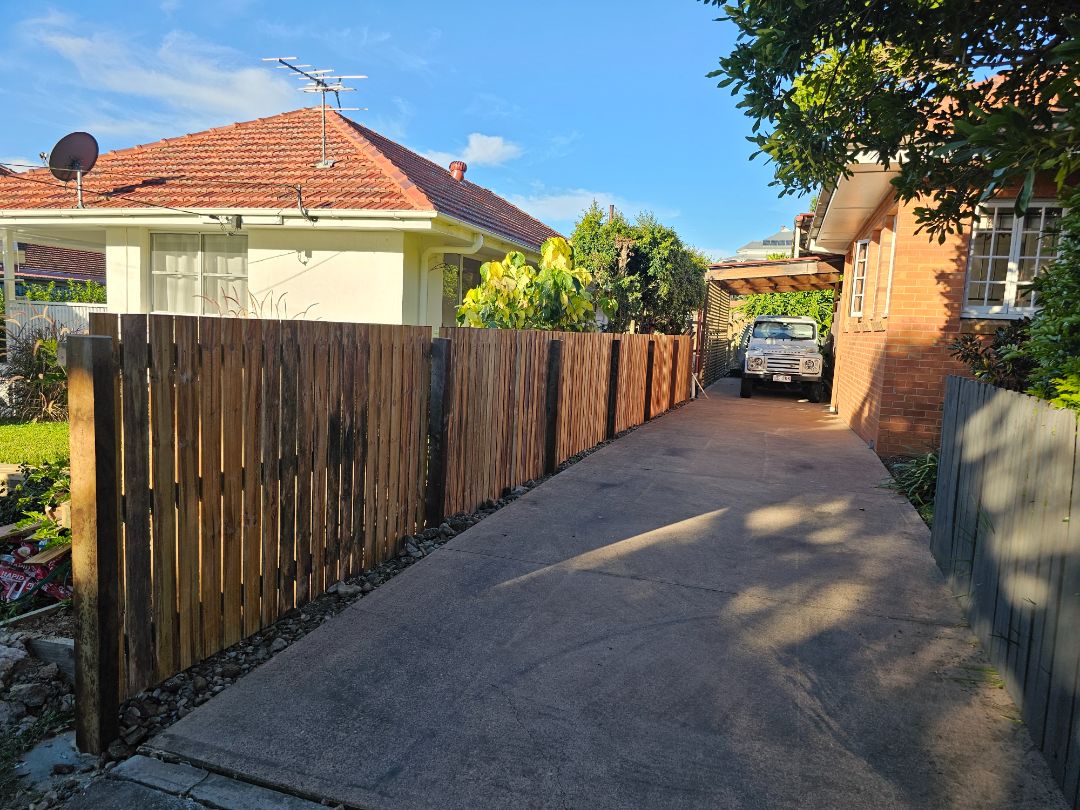
Who pays? Who gets to pick the design? What do you do if next door digs their heels in? It's the kind of thing people Google at eleven at night, lying in bed, rather than just leaning over the back fence and asking, because, well, then you have to have the conversation.
We've sorted hundreds of these, including a few genuinely prickly ones, so here's the calm version. This is general info and not legal advice, but it'll get you a very long way down the road and it might save the friendship with the folks next door while it's at it.
Who pays (the short answer is half)
In Queensland, dividing fences sit under the Neighbourhood Disputes (Dividing Fences and Trees) Act 2011. Generally, neighbours have to contribute equally to building and maintaining a dividing fence. Fifty-fifty. That's your starting line. Queensland Civil and Administrative Tribunal
That's for a "sufficient" fence, meaning a reasonable, standard one for your street. If you've got your heart set on something a notch fancier than reasonable, no drama, you can have it, you'd just usually wear the difference yourself. Fair enough too.
The one step almost everyone gets wrong
Right, this is the big one, so lean in. You cannot just build the fence, hand your neighbour an invoice and expect them to cough up half. The whole thing runs on giving notice first.
The proper way is a Notice to Contribute for Fencing Work. It has to be in the approved form, it spells out the proposed work and the estimated cost and crucially it has to come with a copy of at least one written quote. You can also propose splitting it unevenly if there's a fair reason, you just have to say so and state the proportions. Austlii
Skip this, build first and your neighbour chipping in becomes optional instead of required. That's exactly how decent people end up out of pocket and on frosty terms with the house next door, over something that was completely avoidable. Give notice first. Always.
What happens if you just can't agree
Most of the time, a friendly chat and a clear quote does the job. People agree far more easily than the late-night Googling would have you believe.
When it doesn't, there's a clear path and nobody needs lawyers on day one. If there's no agreement on the notice within one month of giving it, you can ring a Dispute Resolution Centre for free mediation. If that still doesn't crack it, any application to QCAT has to be made within two months of the notice being given. QCAT's the tribunal that can make the call on the work and the split. Keep those timeframes in your back pocket, because that two-month window is real. Queensland Civil and Administrative Tribunal
Who picks the look
Here's where being a bit human about it pays off. Legally the focus is on a fence that's "sufficient", not the prettiest one on the block. In practice though, the jobs that go smoothest are the ones where both neighbours feel like they got a say.
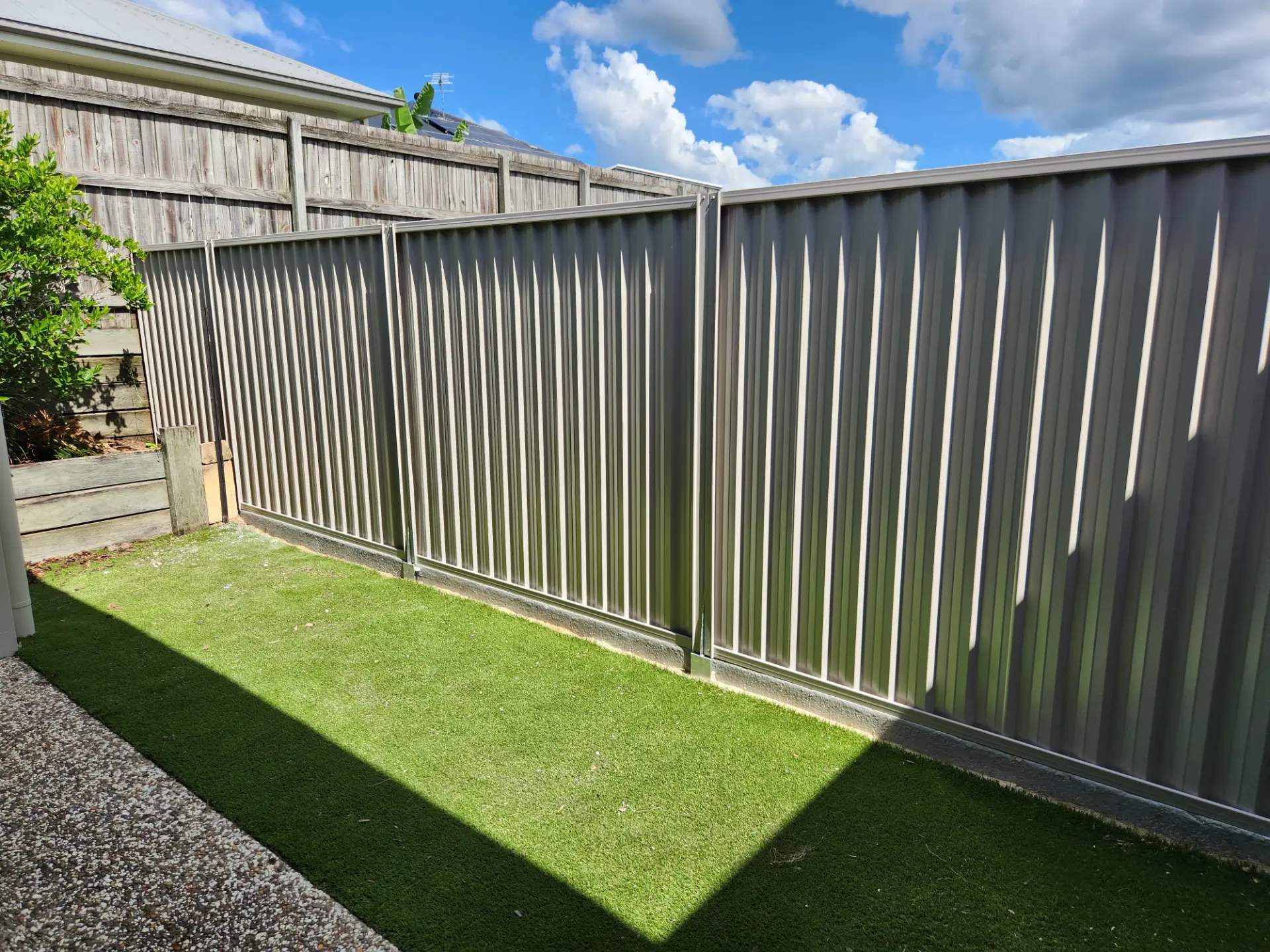
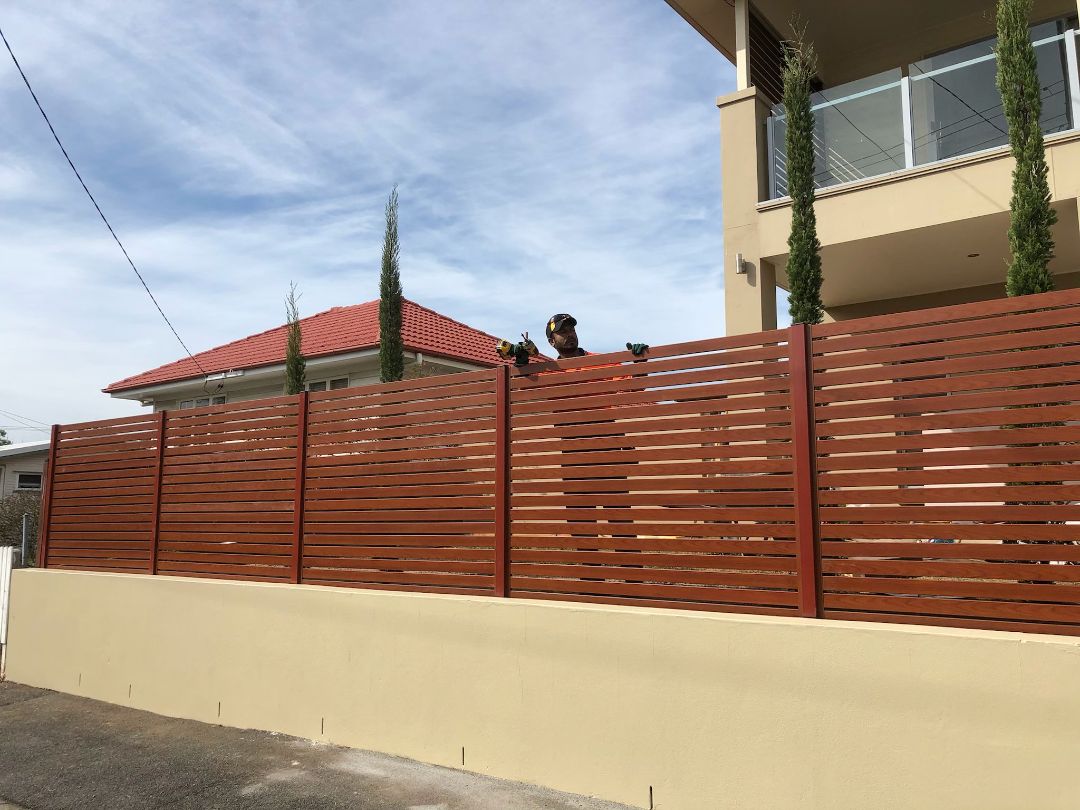
One of you wants Colorbond, the other's dreaming of timber? That's a conversation, not a Mexican standoff. And a tip from doing a lot of these is to lead with the practical stuff. Privacy. The sorry state of the old fence. Keeping the dog in or the kids safe. People agree on problems way faster than they'll ever agree on taste.
How to raise it without making it weird
The awkwardness is the real hurdle, not the money. Here’s the few things that genuinely smooth it over.
Bring it up early, before the old fence actually carks it, so you're not negotiating in a panic with a hole in the boundary. Put a written quote in their hand, because a real plan is a lot easier to say yes to than a vague "we should probably do something about the fence." And frame it as a thing you're sorting together, because you both own it and you both win.
And look, if the relationship's already a bit tense, this is exactly the sort of thing we can quietly help with. A clear quote plus a neutral third party explaining the why takes a surprising amount of the heat out of it. We've watched plenty of "difficult" neighbours turn into reasonable ones the moment there's an actual plan on the table instead of a touchy chat in the driveway.
Your home's meant to be your place of peace. The fence is part of that. Sort it properly, give notice the right way, keep it practical and most of the time it handles itself.
Save this one and flick it to the mate you know is mid-saga right now. Future them will owe you a beer.
And if you'd like to talk through a shared fence situation with us, neighbour and all, we're always here to help.
More Blogs
.webp)
.webp)
.webp)
%20(1).webp)
.webp)
.webp)
.webp)
.webp)
.webp)
.webp)
.webp)
.webp)
.webp)
.webp)

.webp)

.webp)


Ready to start? So Are We.
