

The details that make a fence worth the investment
Here's a thing about fences. On day one, they all look pretty good.
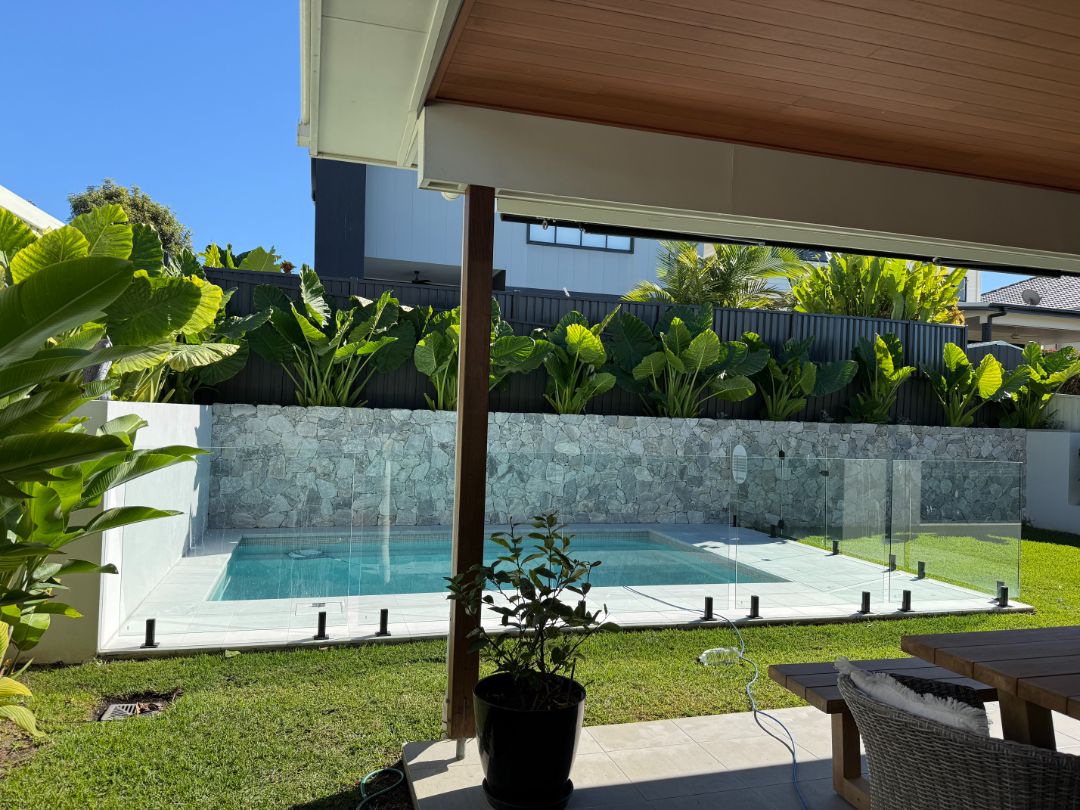
A row of fresh panels, a couple of posts, a gate that swings. Stand across the street and squint and the poorly built one and the properly built one nearly look like twins. That's the problem, really. The bit you're paying extra for is the bit you can't see from the footpath.
Give it two winters and a few good storms though, and the family resemblance disappears fast. One fence is still standing dead straight, exactly where it was built. The other has started to lean like it's had a big night, the gate's dropped and the sheets have gone loose at the corners.
The difference is in the detail. So here's what to actually look for, so that when you've got two quotes side by side and one's cheaper, you already know in your gut what that cheaper number is quietly leaving out.
Run your eye along the top
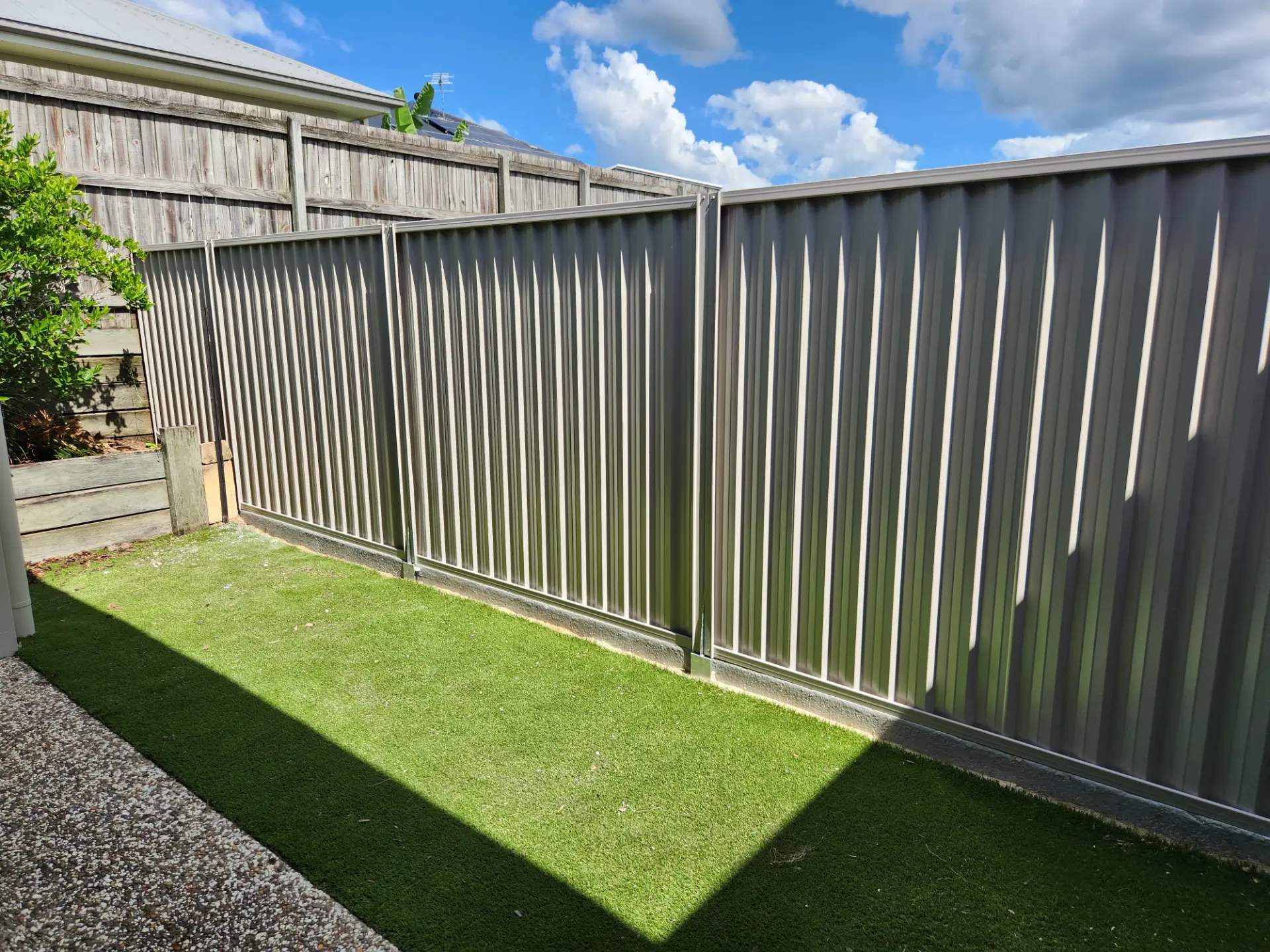
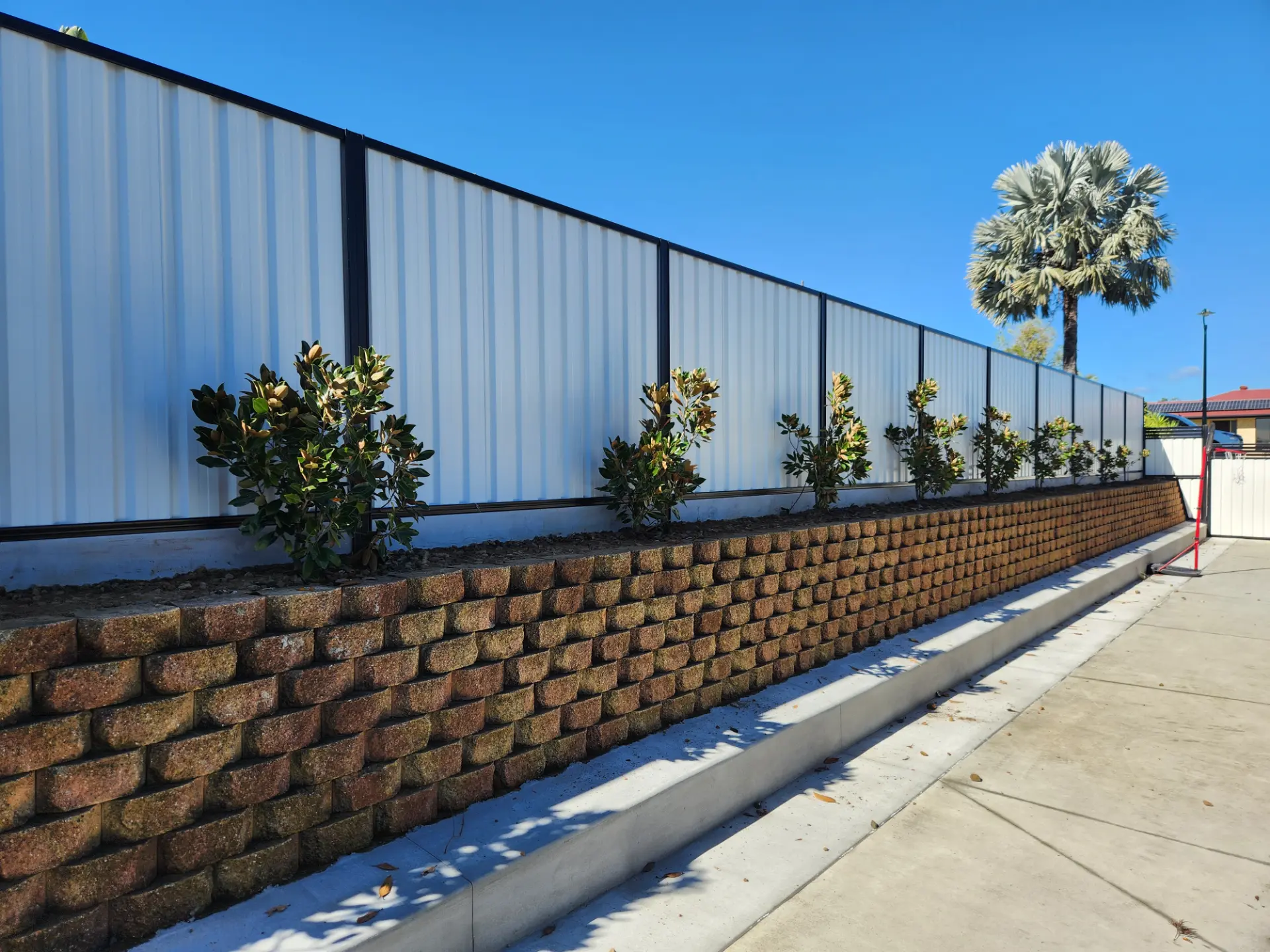
Straight lines first. The top of a fence should be a clean, dead-level line, every sheet sitting at exactly the same height. Sounds simple. It's the first thing that goes when someone's rushing to knock a job over by Friday arvo.
Once you've spotted a wonky top line, you cannot unsee it and neither can anyone who visits. Straight lines aren't luck. They come from someone taking the time to set the whole thing out properly before a single post hits the ground.
The bit underground that nobody talks about
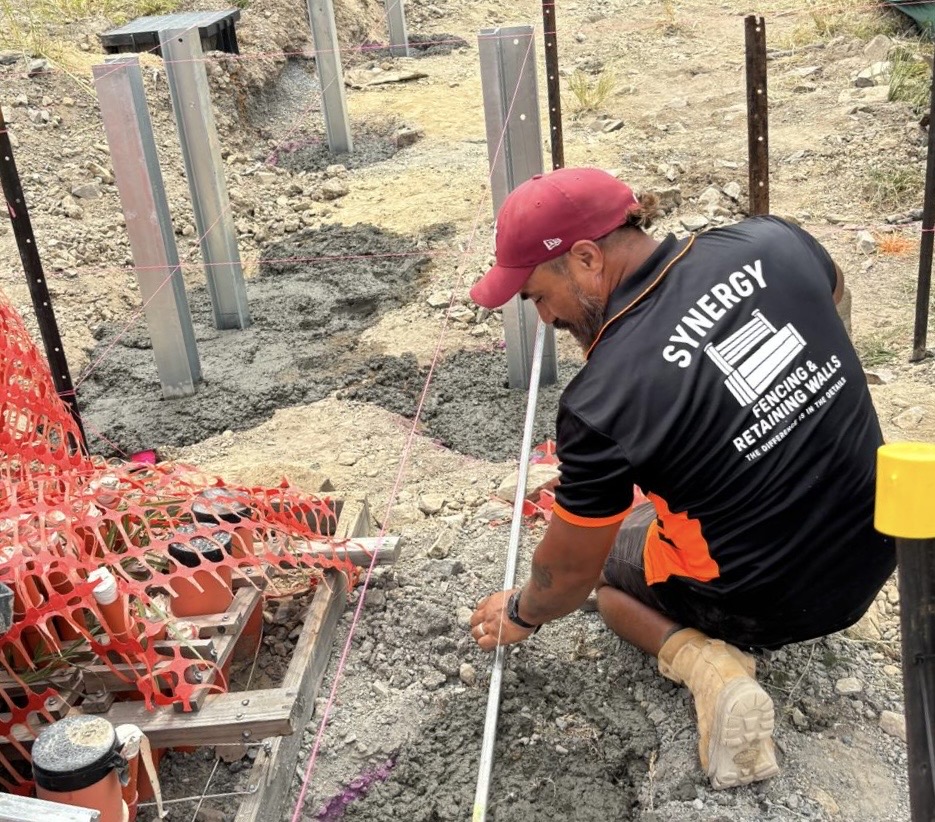
The posts are the part you'll never see, which is exactly why it's where corners get cut. Out of sight, out of the quote.
Steel posts set deep in concrete are what keep a fence standing for the long haul. Timber rots. Skinny posts flex. Shallow footings let go the first time the soil gets a good soaking. So just ask. What are the posts made of and how deep do they go? A good fencer will tell you straight away, because it's the part they're most proud of. If you get a vague answer, that tells you something too.
Walk the corners
If you only inspect one part of a finished fence, make it the corners. That's where the shortcuts hide.
A corner done properly has the panels meeting clean, everything plumb and square, nothing improvised. A rushed one has little gaps, a bit of overhang and the odd screw doing a job it was never designed to do. The middle of a fence is easy. The corners are where you find out who actually cared.
The little stuff is the whole game
Post caps look like a finishing touch and they are, but they're also doing a job. They keep water out of the top of the posts, which is what stops the rust and rot starting up there and working its way down. No caps, or mismatched ones thrown on at the last minute. Usually a sign the whole job was about getting finished, not getting it right.
Same with gate hardware. The gate's the one part of your fence you actually touch every single day, so it's where a cheap job gives itself up fastest. Solid hinges and a proper latch, sized for the weight of the gate, will still be swinging sweetly years from now. Light hardware on a heavy gate sags within months and starts that lovely scraping noise on the path. When you're looking at someone's finished work, open and shut the gate a few times. Your hand will tell you everything.
A quick word on the "good side"
There's an old assumption floating around that the smooth side of the fence has to face your neighbour, like it's the law. It isn't.
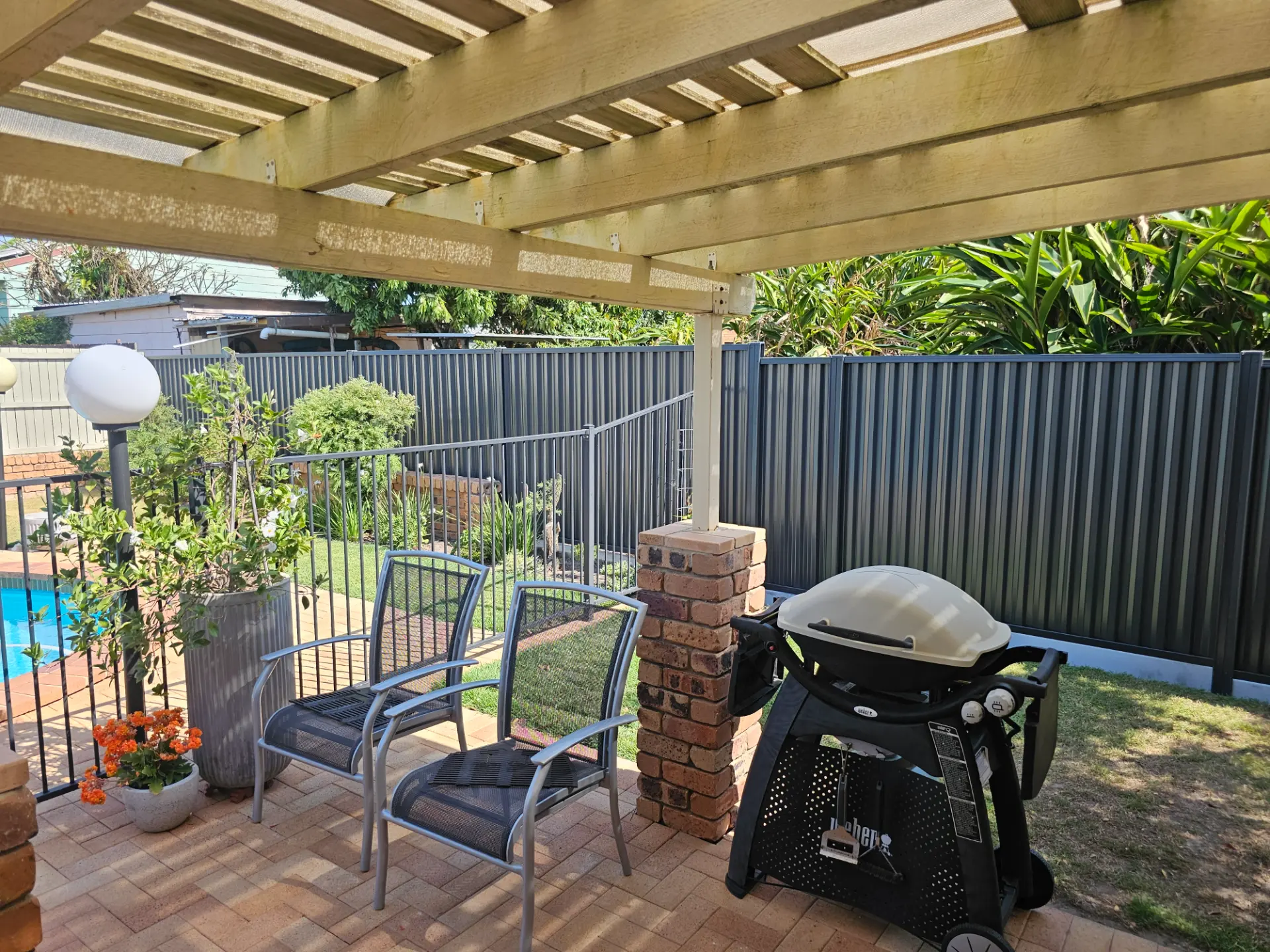
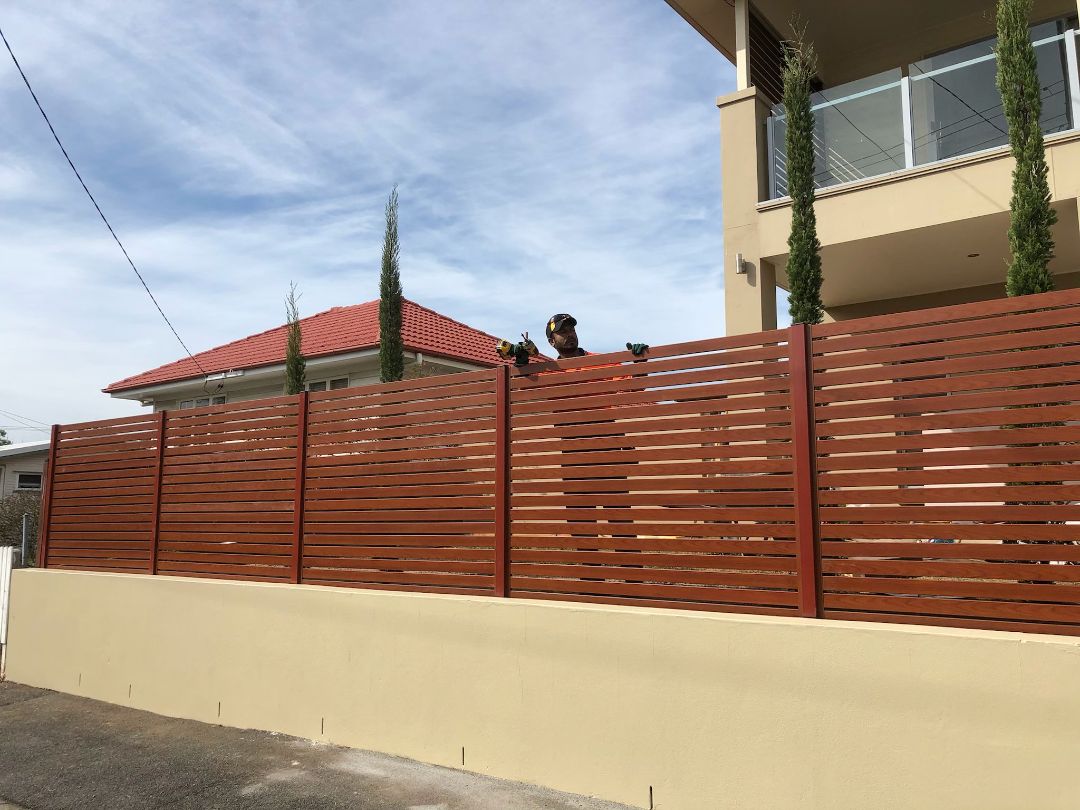
Where the good side faces is genuinely worth a chat. Facing it in can actually work in your favour, you get more privacy and security on your side, a surface nobody can easily climb and a nice clean face to grow climbers and greenery up against. A fencer who stops to explain that to you, rather than just defaulting to whatever's quickest for him, is one who's thinking about your place and not just his afternoon.
So what are you actually paying for
Not a fancier-looking version of the same fence. You're paying for the stuff that never shows up in a photo. Steel posts set deep. Lines that stay straight. Corners done right. Hardware that outlives its warranty. The kind of finish where you wander out the back with a cuppa, look at it and think yeah, that's schmick and you're still thinking it ten years later.
A fence is one of those things you'd much rather do once. The details are the difference between a fence you forget about because it just quietly works and one you're paying to redo years before you ever planned to.
So now that you've got a checklist running in your head, it’s time to go pick a few corners apart.
And if you'd like to talk through what good detail looks like on your own fence, we're always here to help.
More Blogs
.webp)
.webp)
.webp)
%20(1).webp)
.webp)
.webp)
.webp)
.webp)
.webp)
.webp)
.webp)
.webp)
.webp)
.webp)
.webp)
.webp)

Ready to start? So Are We.
