

Your Rights When a Neighbour Won't Agree on a Fence (QLD)
A shared fence needs a shared decision — but there's a legal process for when you can't agree. Here's how it works in Queensland.
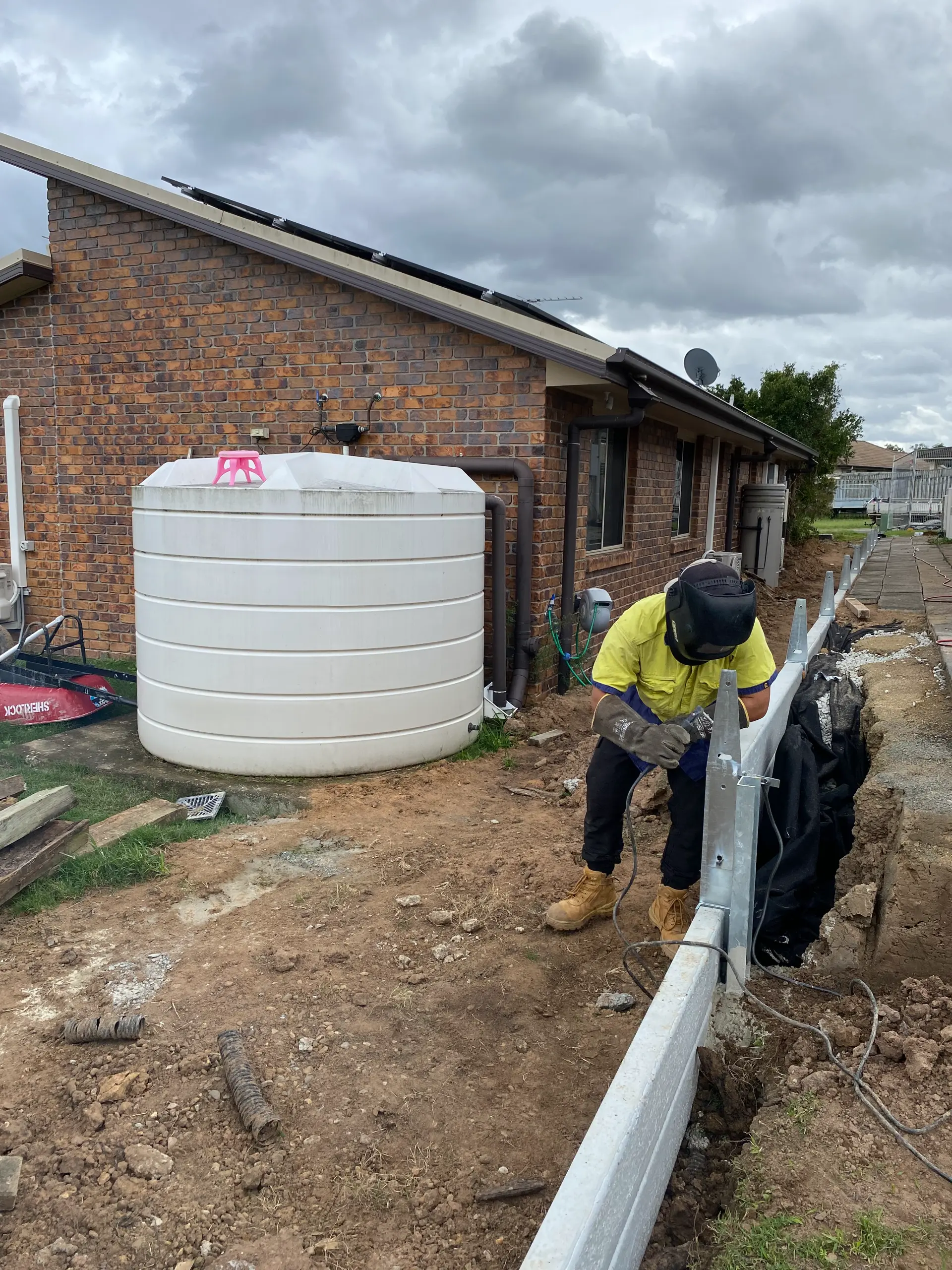
A dividing fence sits on a shared boundary, which means it's a shared decision — and shared decisions don't always go smoothly. The good news is Queensland has a clear process for exactly this. Here's how it works.
Start with a conversation
Most fences get sorted over the back fence, literally. Before anything formal, talk to your neighbour about what's needed and roughly what it'll cost. A quote that clearly shows the work and the split makes that conversation much easier — we're happy to lay it out that way.
The formal step: a Notice to Contribute
If a chat doesn't get there, Queensland's dividing-fences law (the Neighbourhood Disputes (Dividing Fences and Trees) Act 2011) lets you give your neighbour a formal Notice to Contribute — a written notice proposing the fencing work and how the cost should be shared. The default position is that owners share the cost of a 'sufficient' dividing fence equally.
If you still can't agree
If you can't reach agreement within the set time, either owner can apply to QCAT — the Queensland Civil and Administrative Tribunal — to decide what's a sufficient fence and how the cost is split. It's designed to be accessible without lawyers.
A few practical notes
- If you want a better-than-sufficient fence, you generally cover the extra cost.
- Urgent repairs (a fence down after a storm) have their own faster process.
- Keep it in writing — notices, quotes and agreements save a lot of grief later.
We quote both sides clearly so neighbours can split the cost cleanly, and we're glad to help you have a fair conversation. This is general information, not legal advice — QCAT and the Act have the detail for your situation.
More Blogs
.webp)
.webp)
.webp)
.webp)
.webp)
.webp)

.webp)
.webp)


Ready to start? So Are We.
