

Pool Fencing Laws in Queensland, Explained Simply
Pool fencing rules exist for one reason — keeping kids safe — and they're stricter than most people expect. Here's what a compliant barrier needs.
.webp)
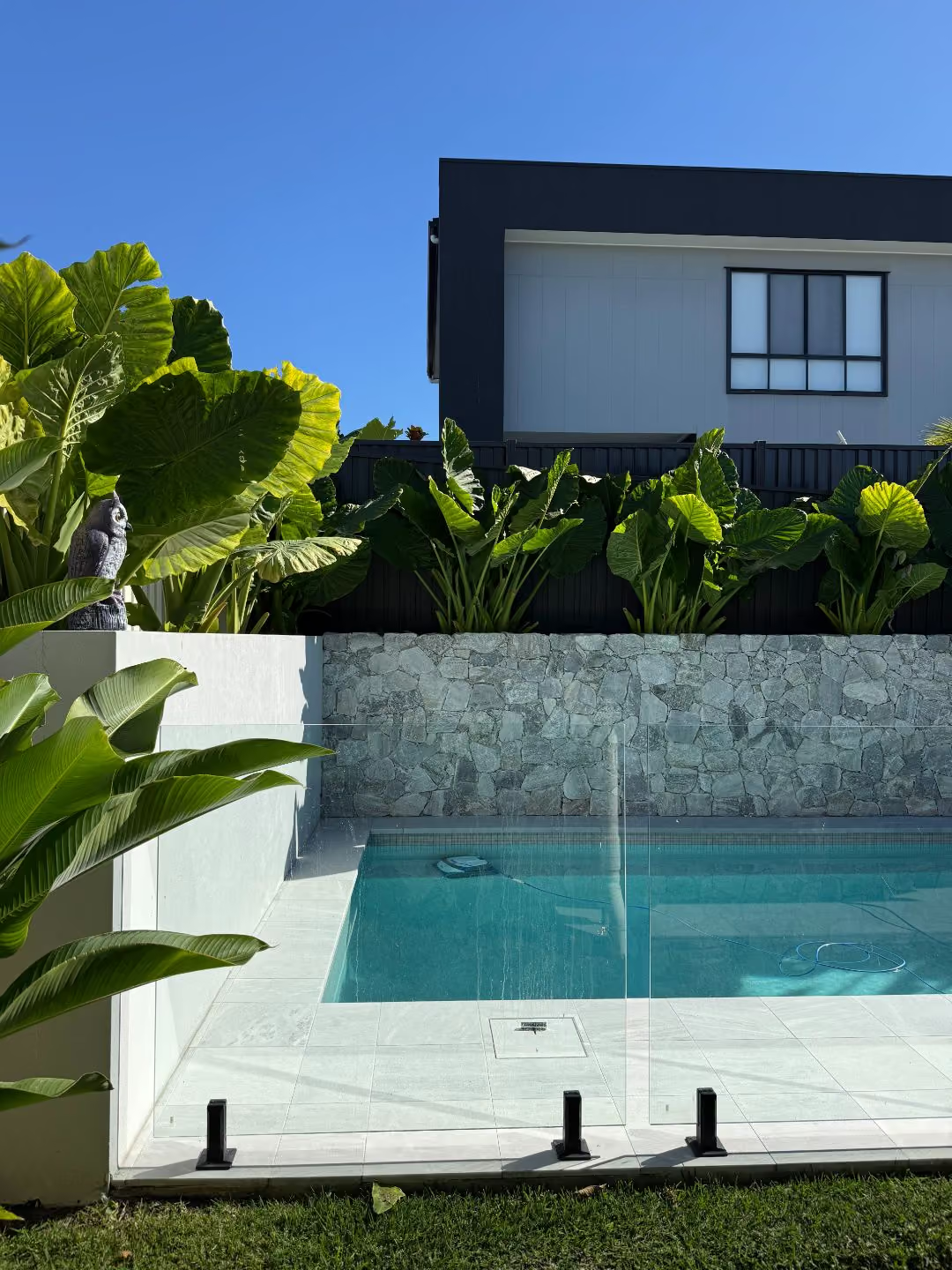
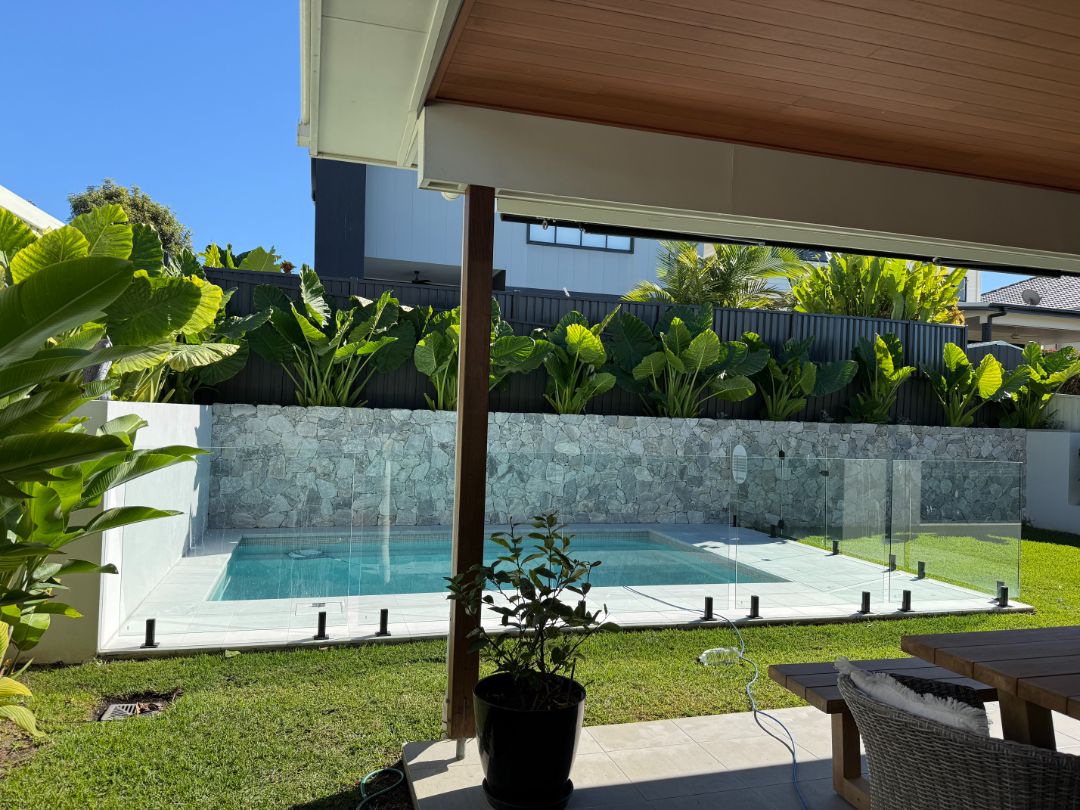
Pool fencing is the one area of fencing where the rules aren't just guidance — they're law, and they exist for one reason: keeping small children away from water. Queensland's rules are stricter than most people expect, so here's the plain-English version of what a compliant barrier needs.
The key requirements
- Height — the barrier must be at least 1.2m high, measured from the ground on the outside.
- Gaps — no gap under the fence more than 100mm, and no gaps between vertical bars more than 100mm.
- No footholds — the non-climbable zone means no horizontal rails or anything a child could use as a foothold within a 900mm arc; outside rails generally need to be at least 900mm apart or moved to the inside.
- Gates — must be self-closing and self-latching from any position, open outward (away from the pool), and the latch release must be at least 1.5m above the ground.
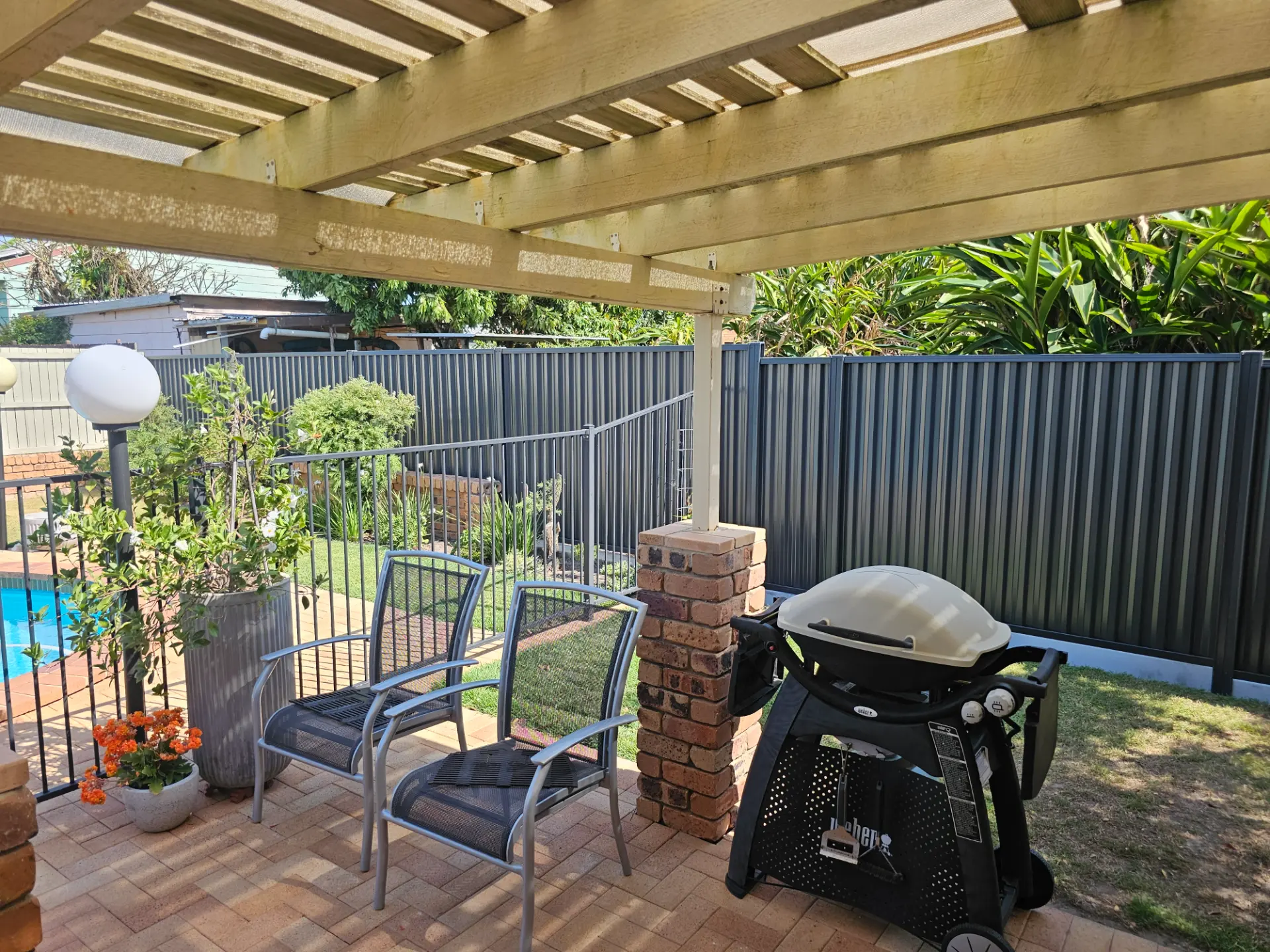
- Nothing to climb nearby — pot plants, BBQs, furniture and trees must be kept clear of the fence so they can't be used to climb over.
It has to be certified
In Queensland a pool needs a compliant barrier and a valid pool safety certificate, and pools are recorded on the state's pool safety register. A pool safety inspector is the person who signs off compliance — not the fencer — but building the barrier correctly is where it starts.
What we do
We build pool-compliant fencing — glass, aluminium or tubular — to the current standard, and we build it knowing an inspector is going to check it. We'll also flag the easy-to-miss things, like a climbable object too close to the fence, before they become a fail.
This is a general overview — the pool safety standard is detailed and does change, so a licensed pool safety inspector is the final word on compliance for your pool.
More Blogs
.webp)
.webp)
.webp)
.webp)
.webp)

.webp)
.webp)

Ready to start? So Are We.
