

Concrete Sleeper, Besser Block or Composite: Which Retaining Wall Suits Your Yard?
Concrete sleepers on galvanised steel posts suit most Brisbane homes. Besser block suits taller or more permanent walls and a rendered look. Composite and timber suit lower garden walls. Height, load and budget decide which is right.
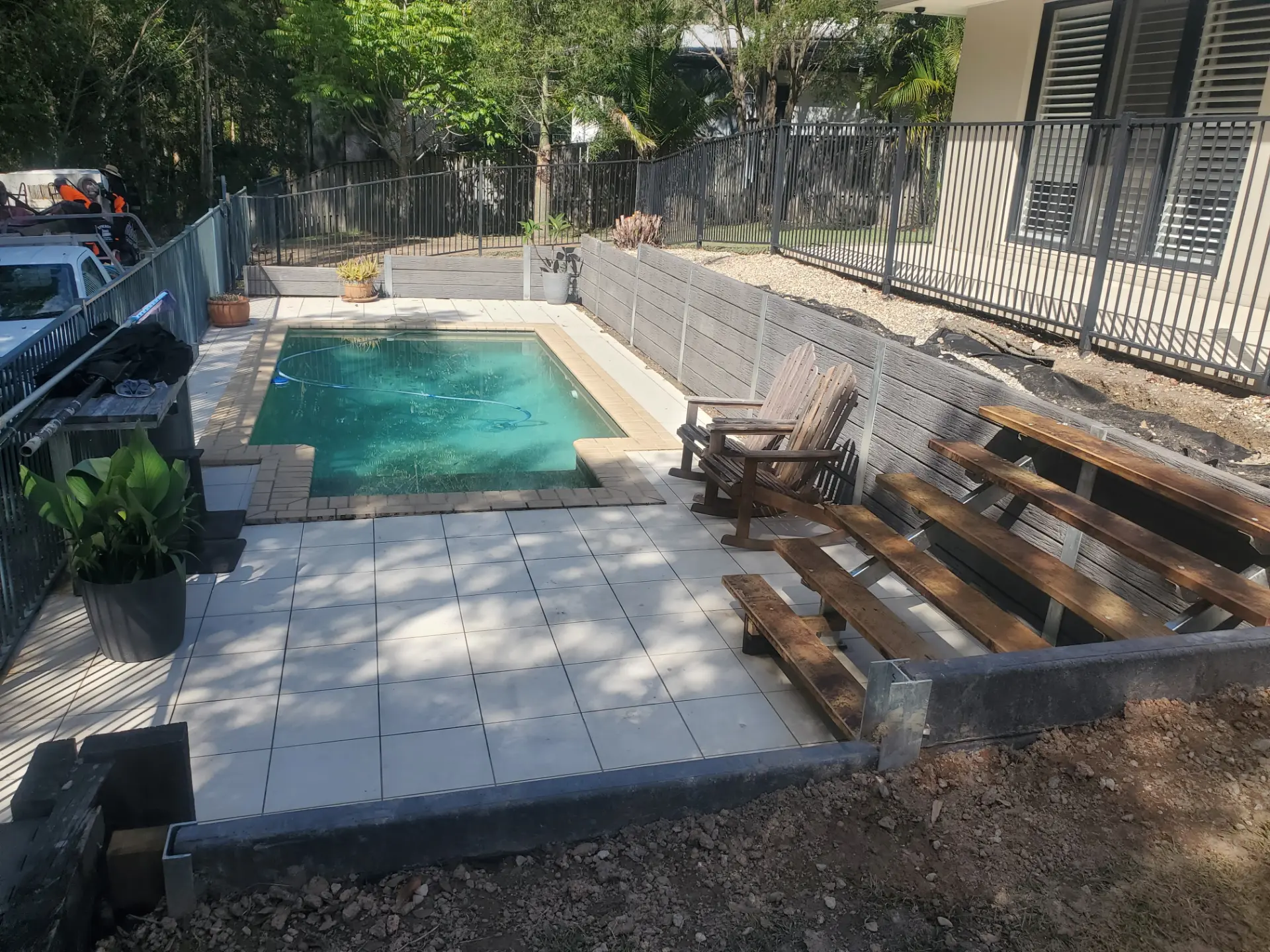
When you're replacing a wall, the material choice can feel overwhelming. Here's a straight comparison of the wall types we build, and where each one makes sense.
(We don't build boulder or feature rock walls, so they're not covered here.)
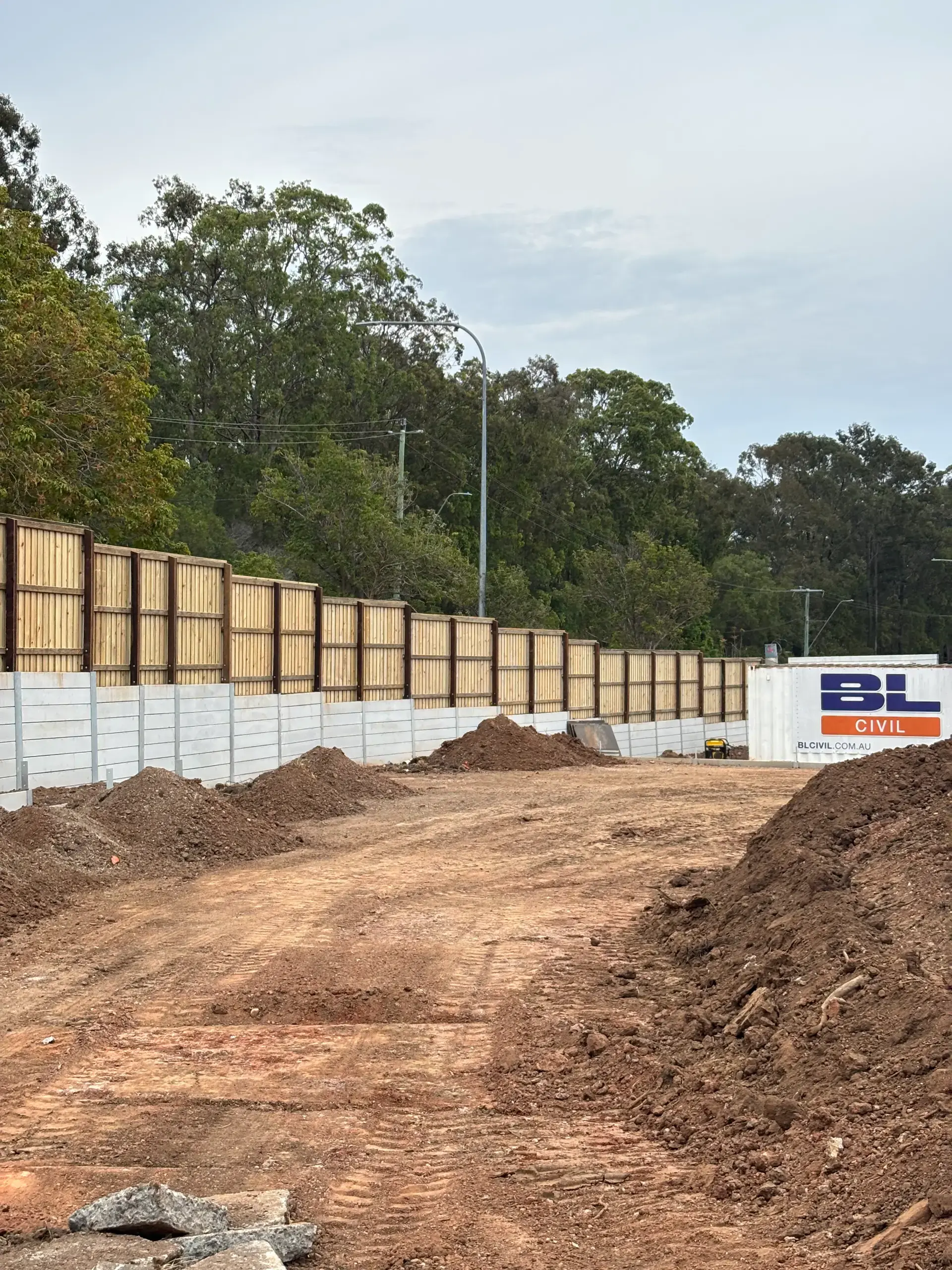
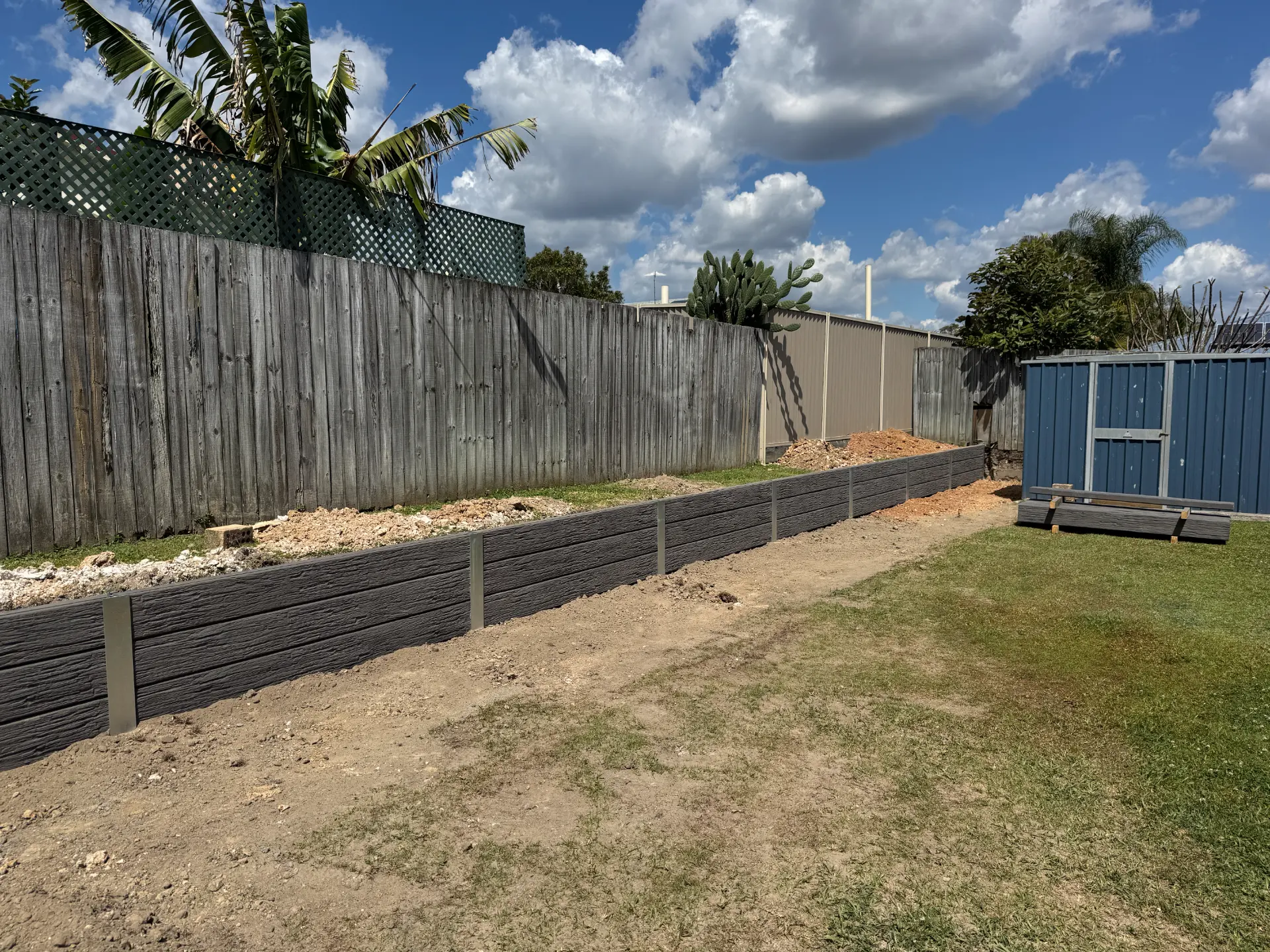
Concrete sleepers
This is what most of our customers end up choosing, and what we build most often.
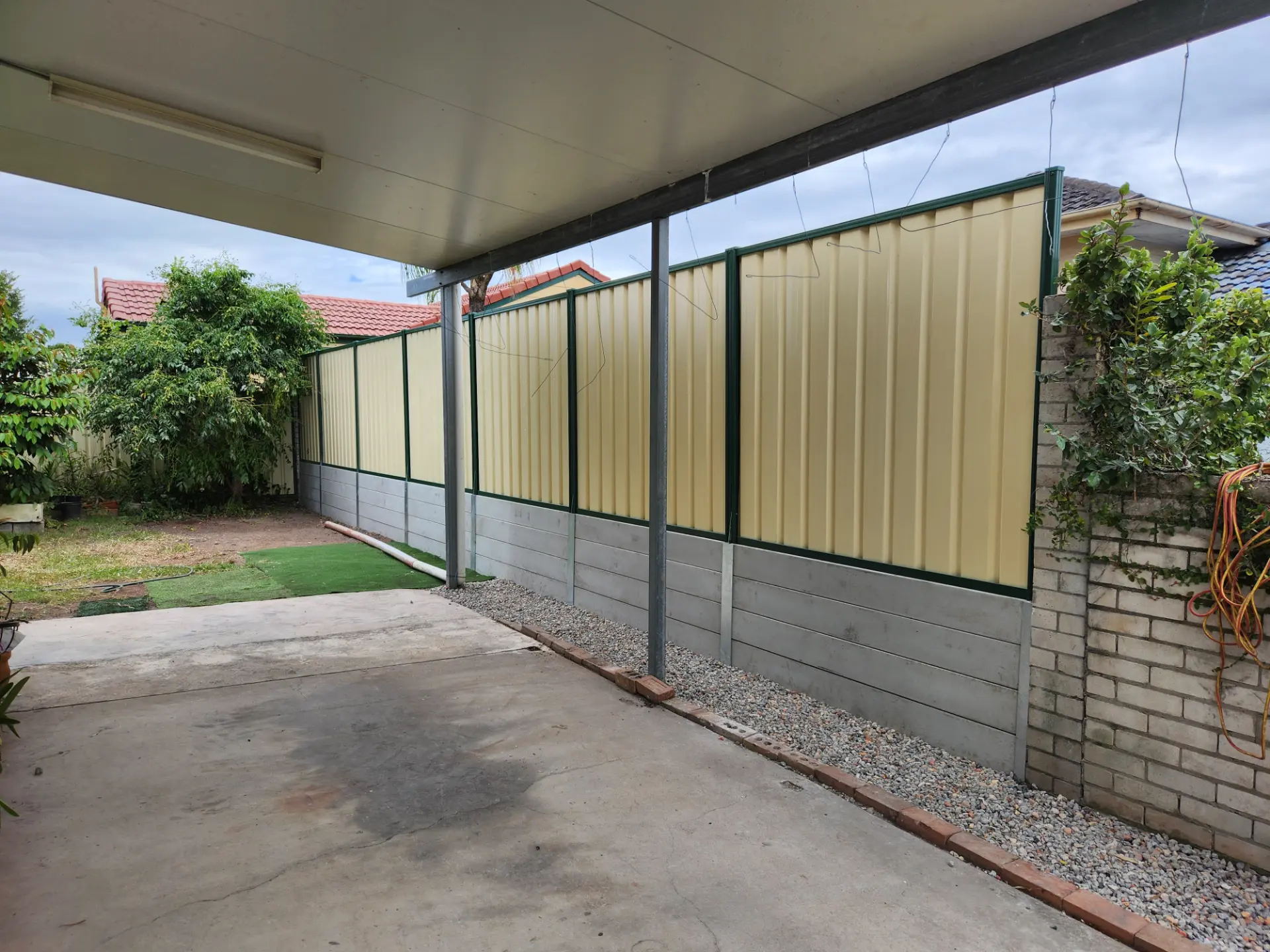
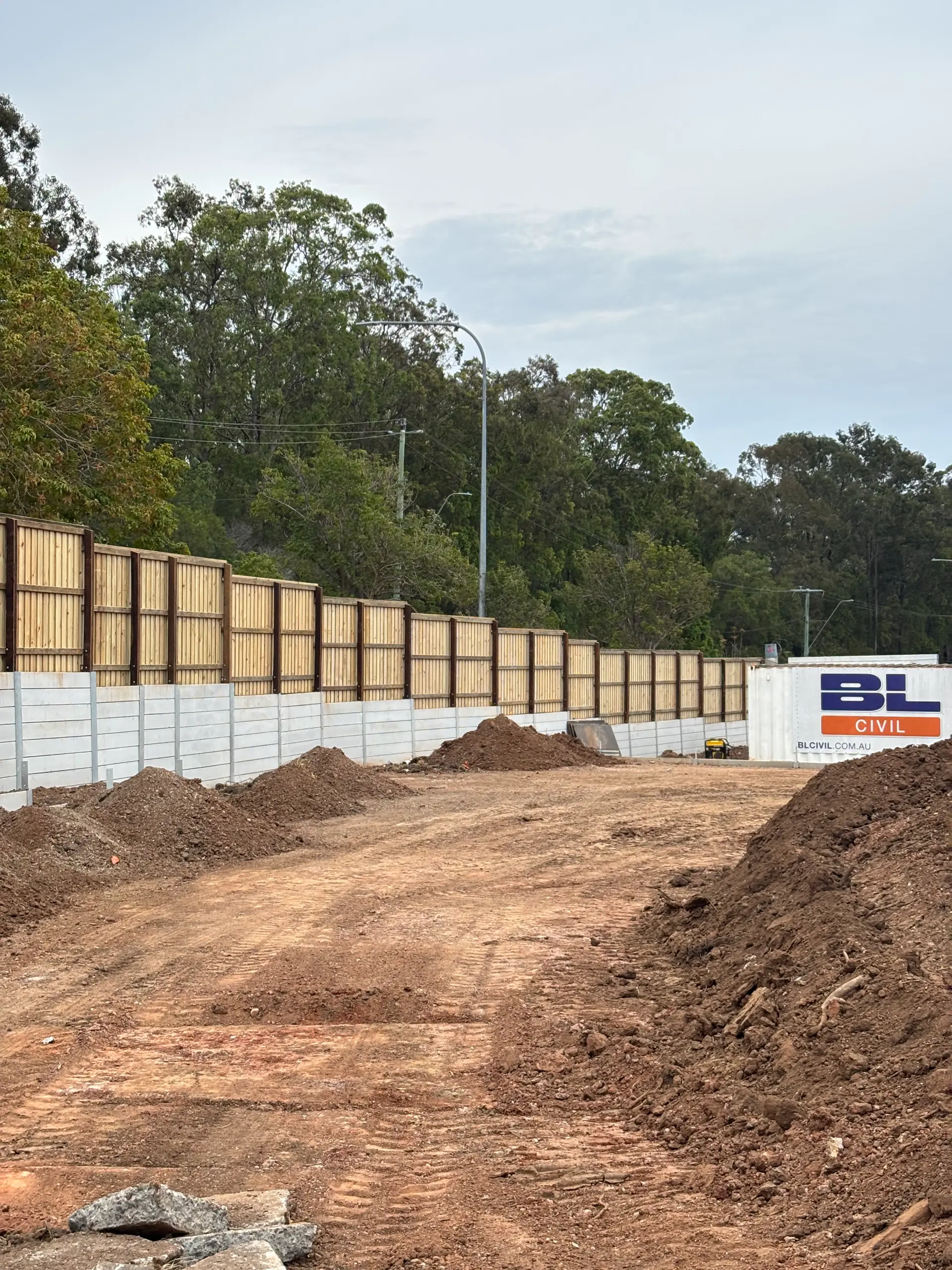
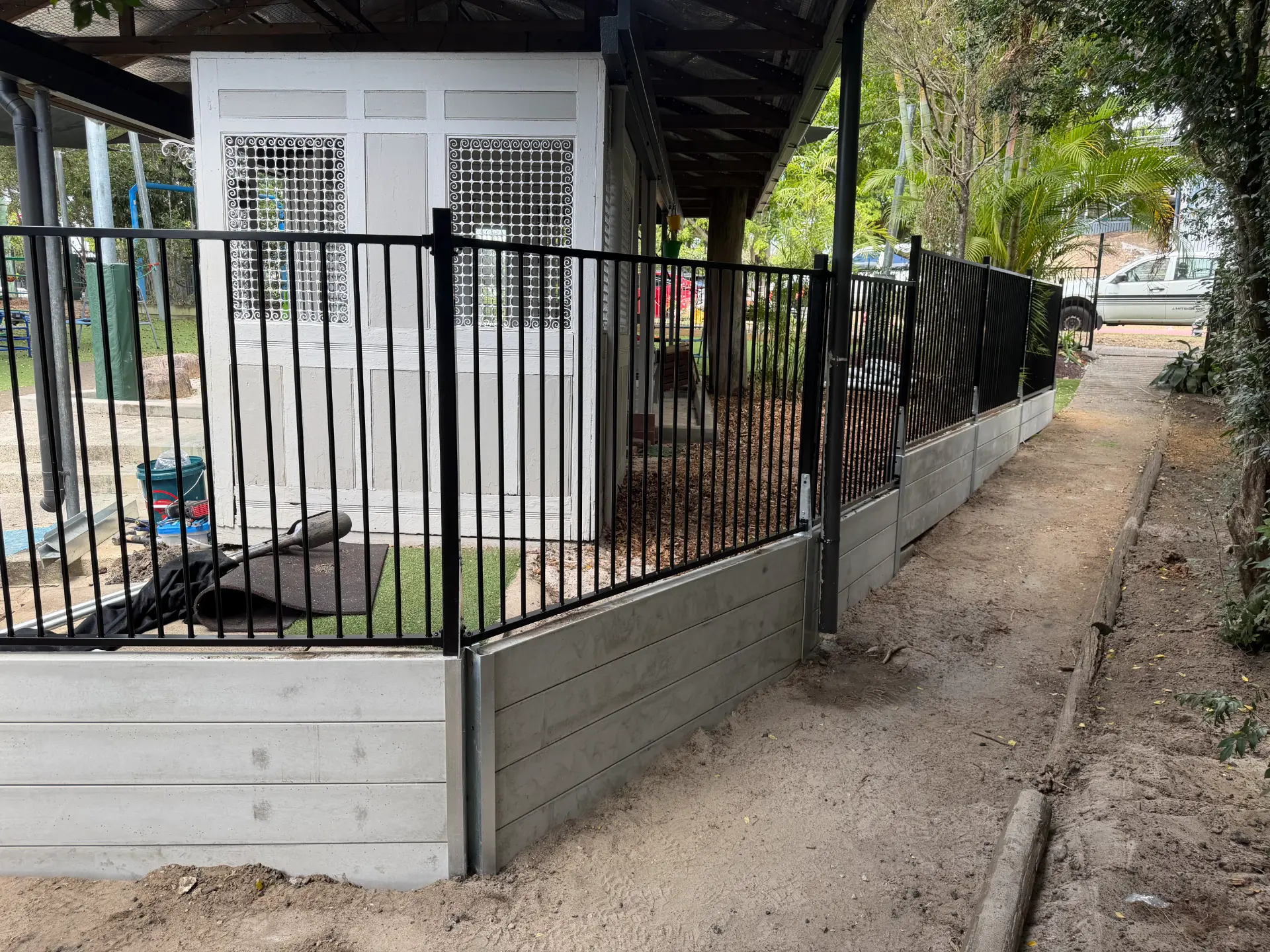
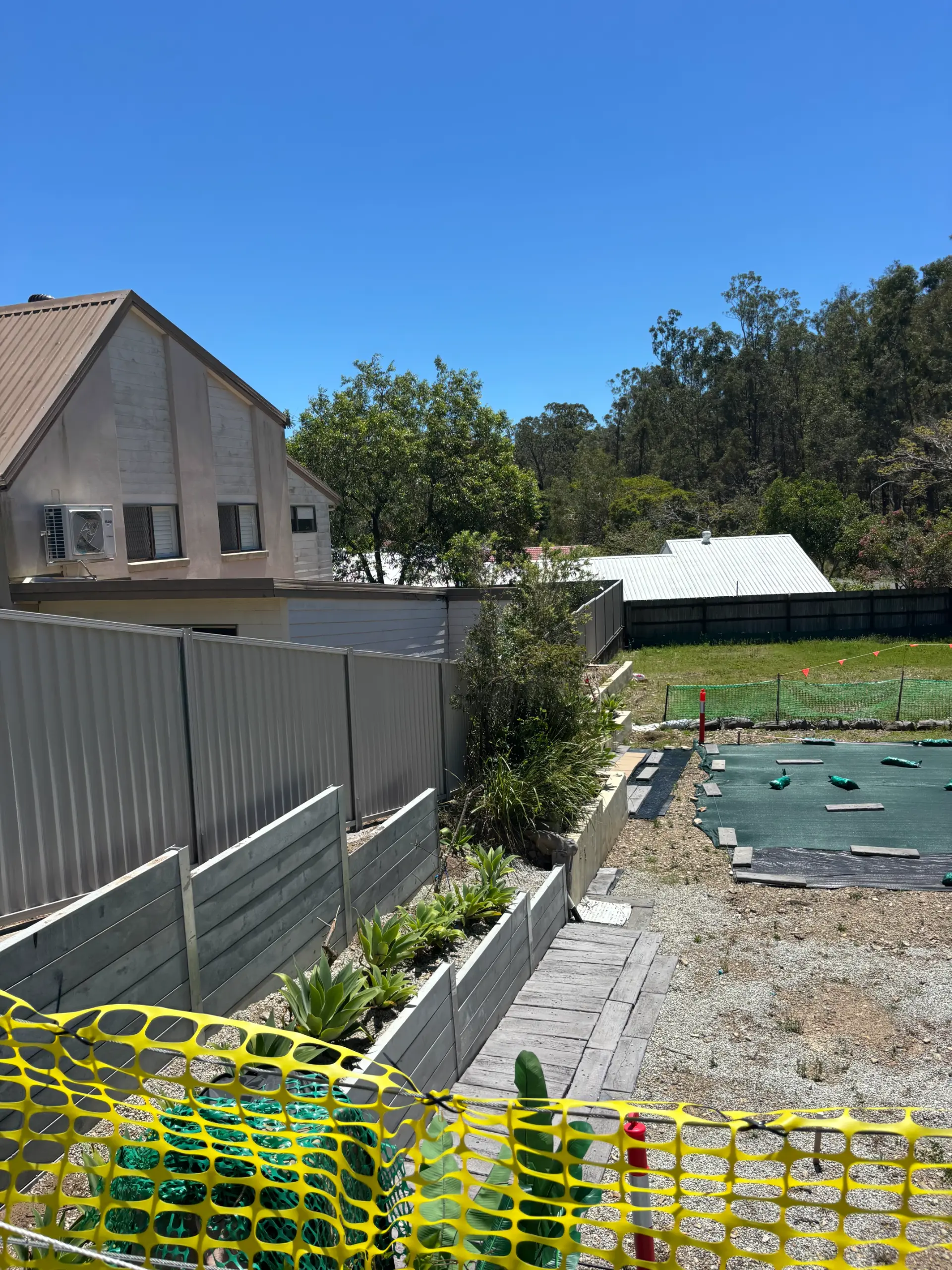
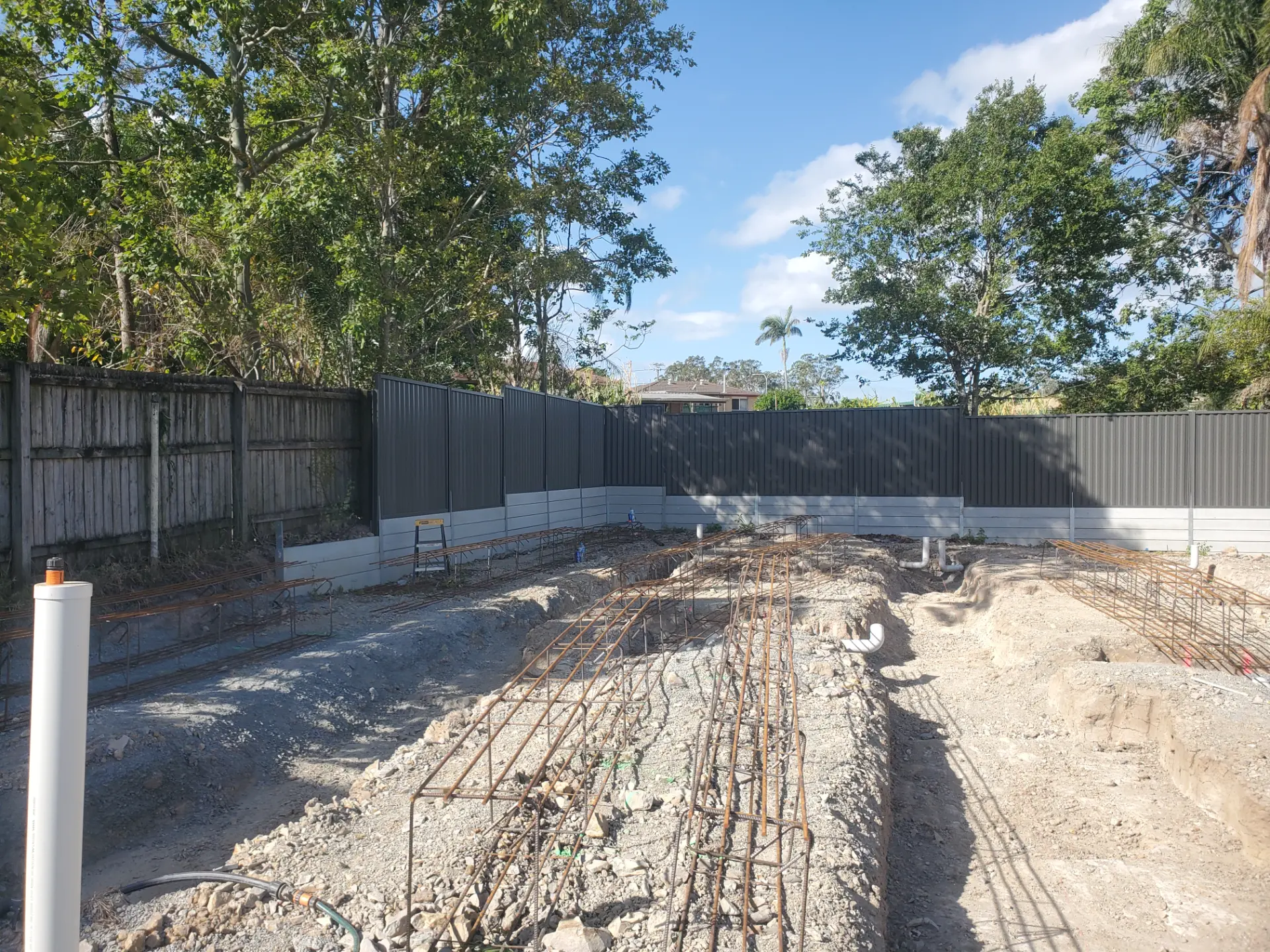
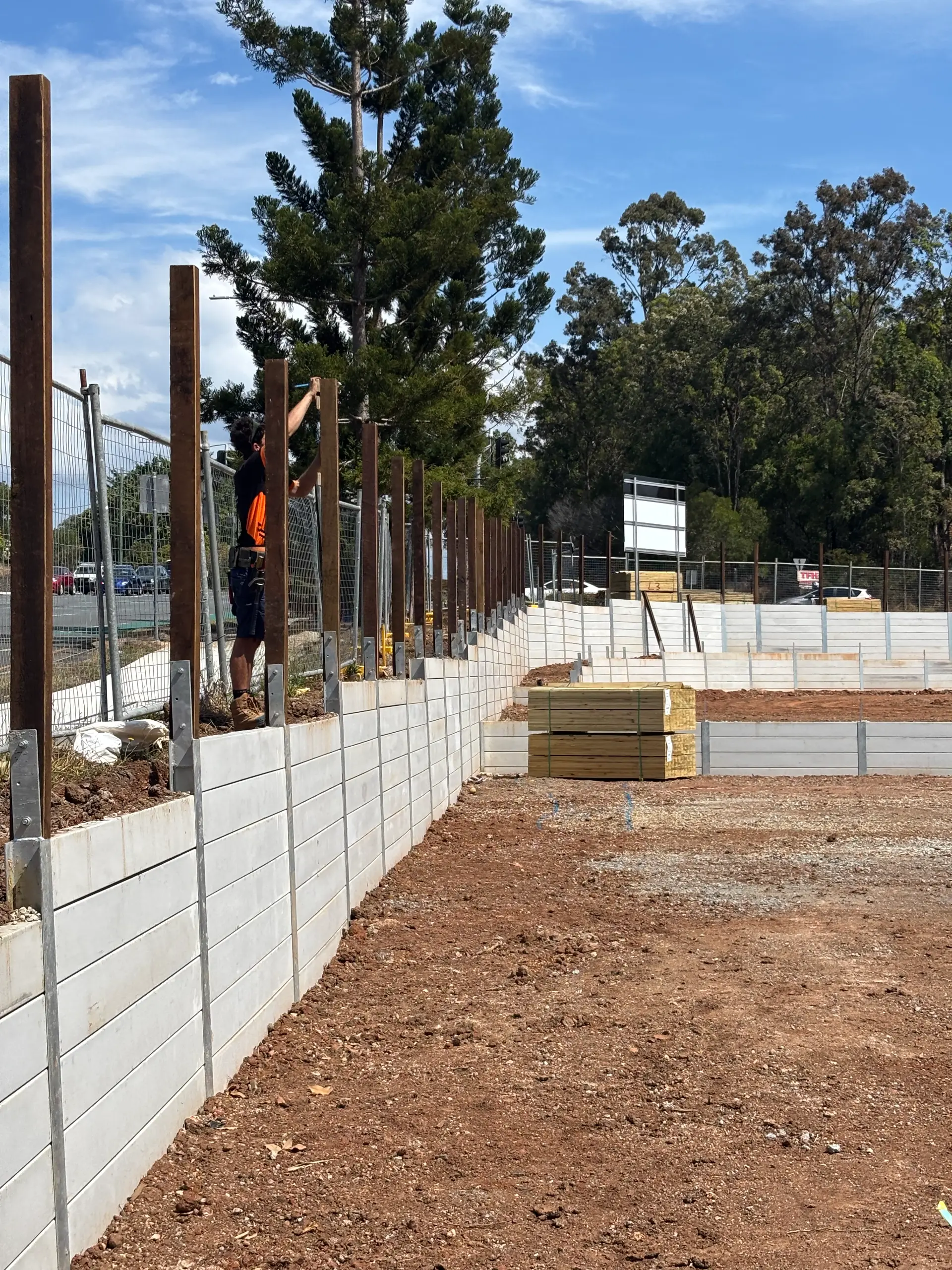
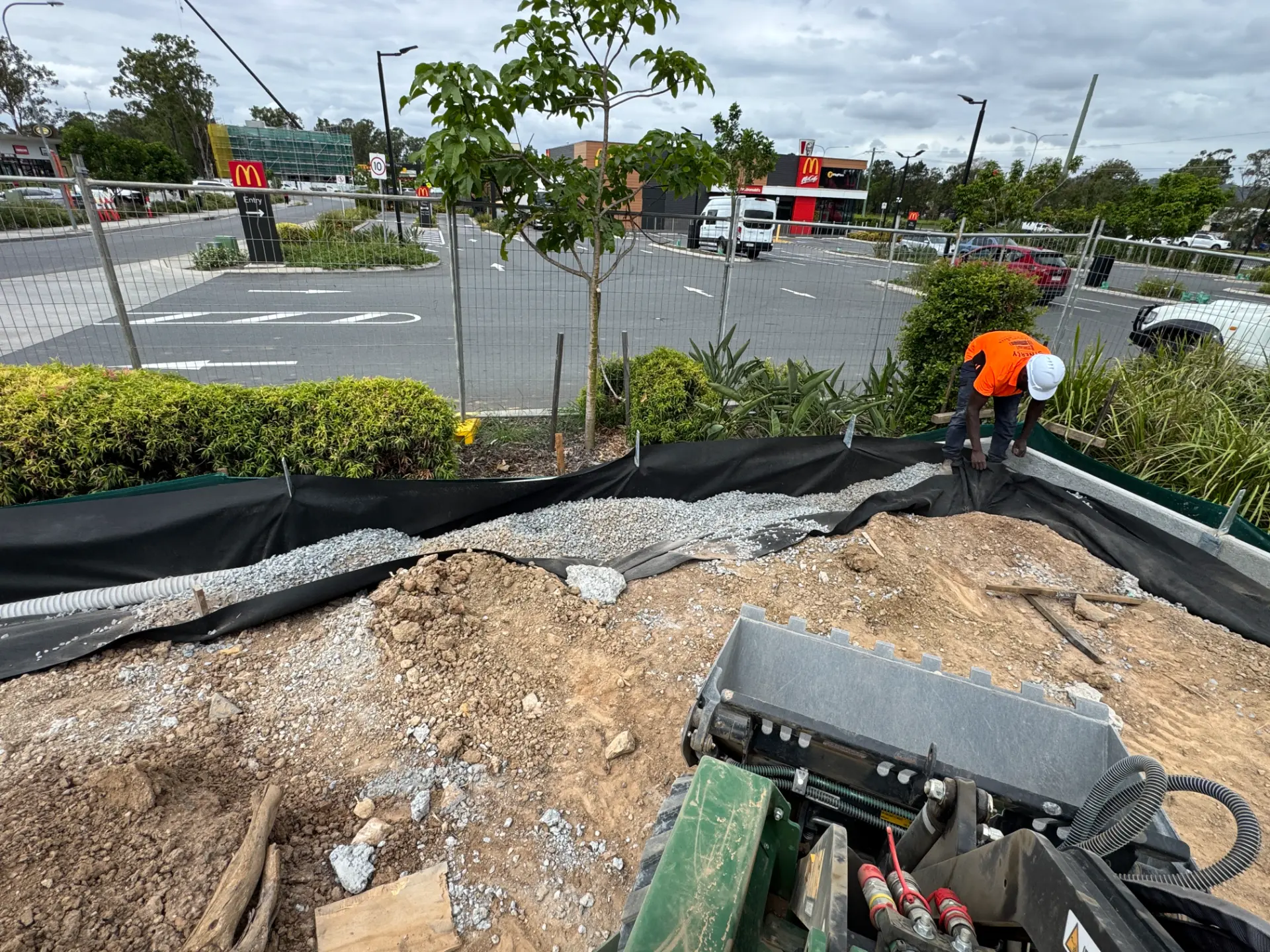
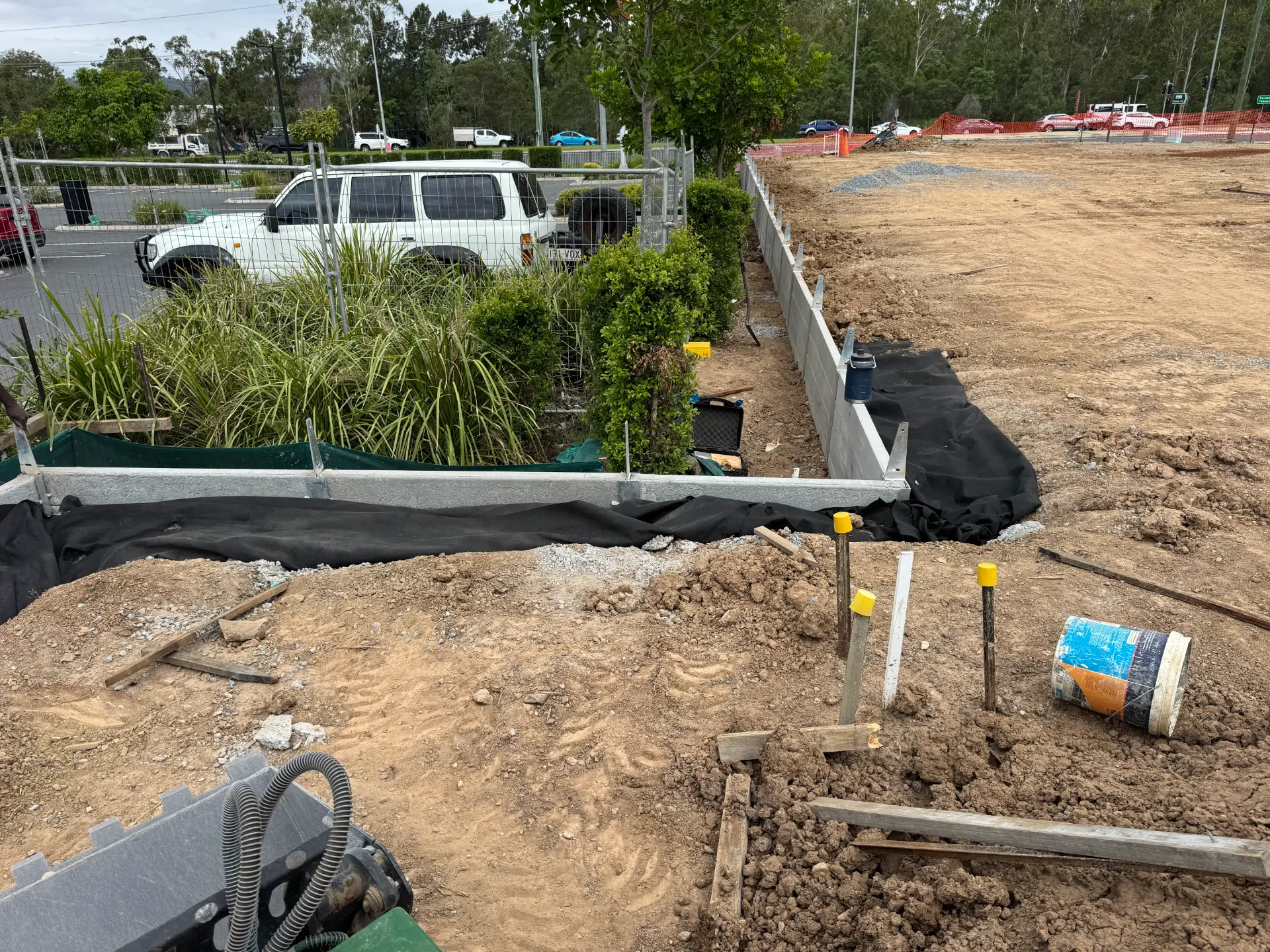
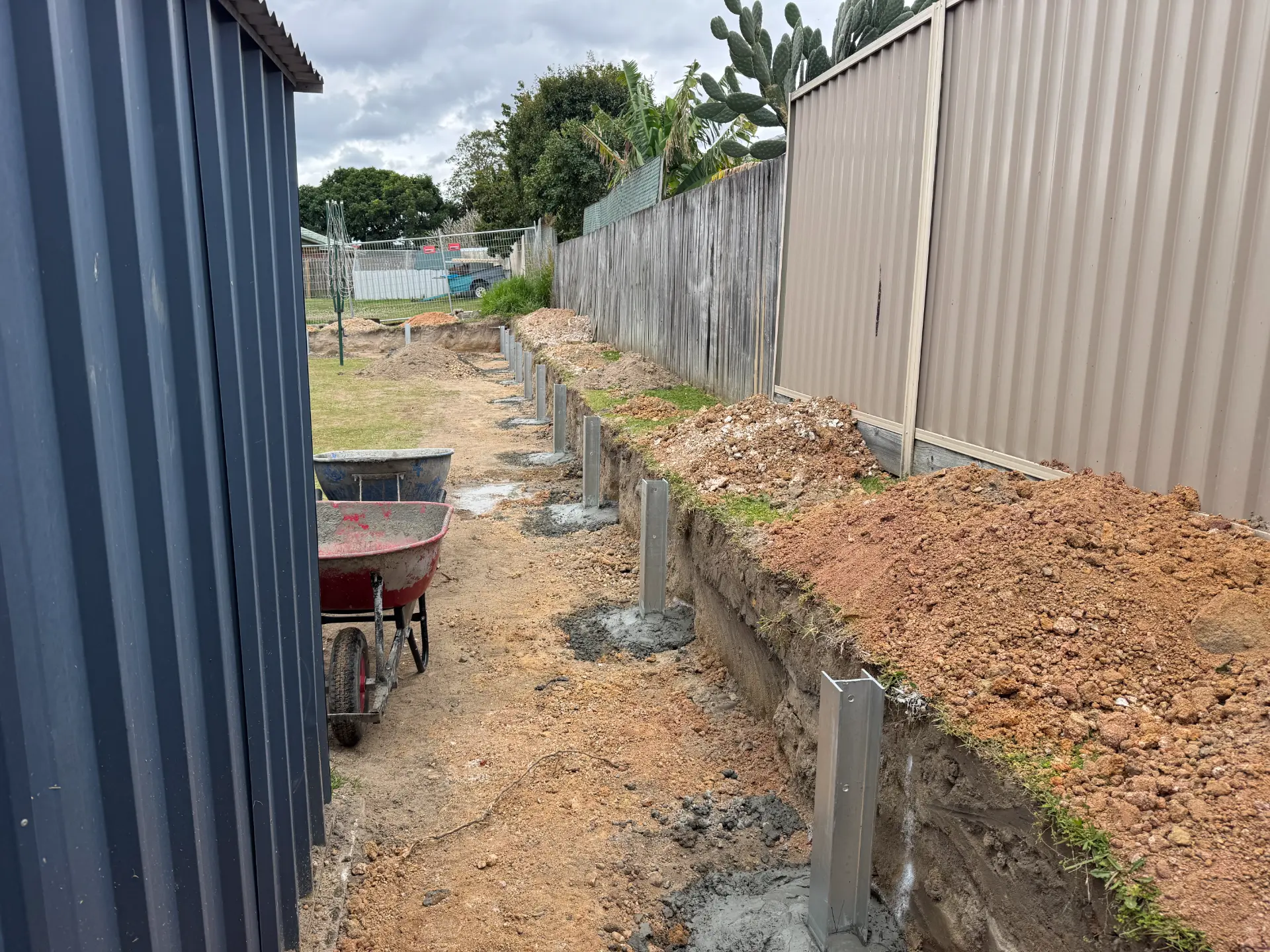
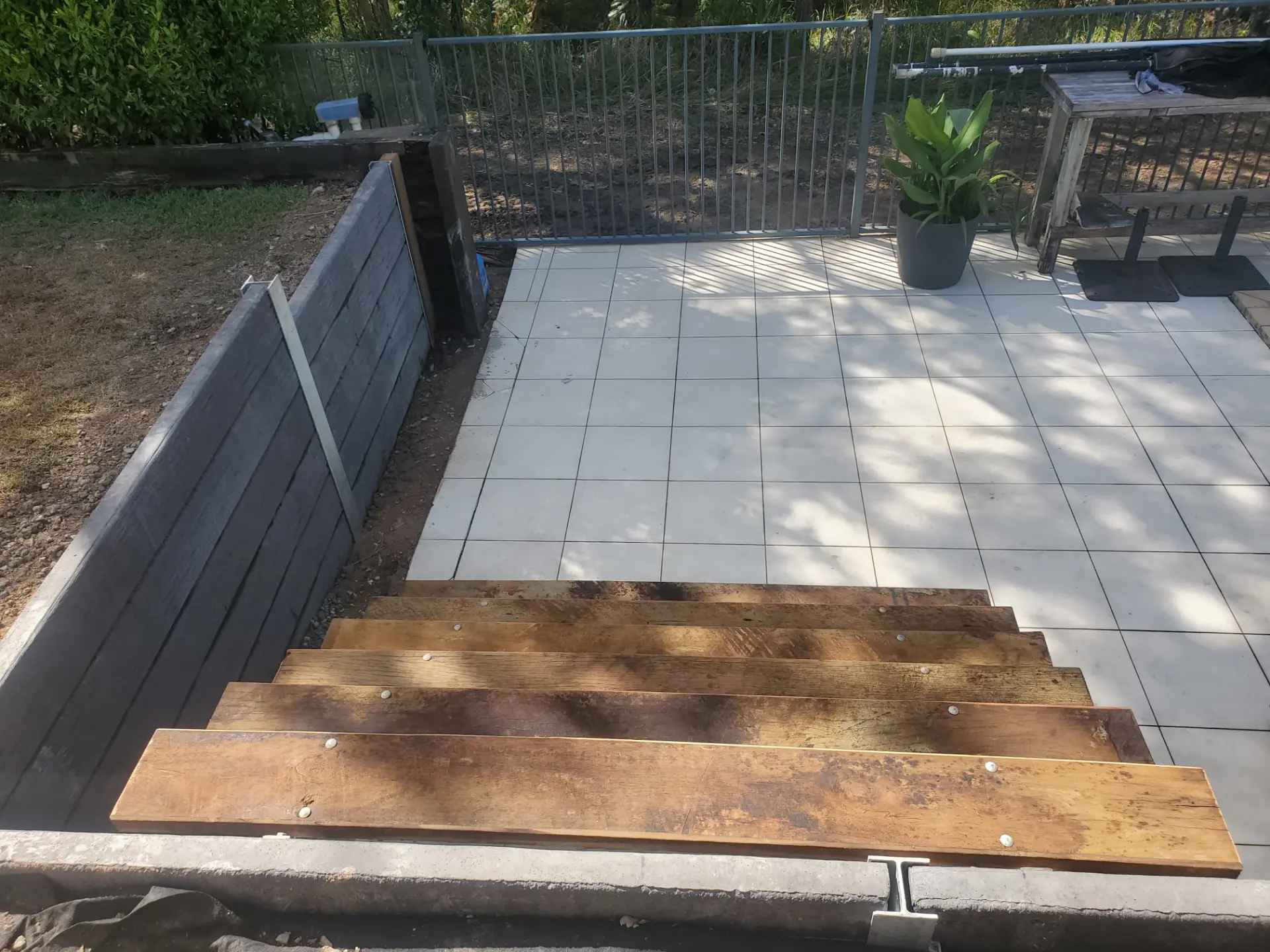
- How it's built: concrete sleepers slide into galvanised steel H-beam posts set in concrete.
- Good at: they don't rot, termites aren't interested, and they come in plain grey or timber-look and stone-look finishes.
- Watch for: post spacing and drainage. A concrete wall with posts too far apart or no drainage can still crack and lean.
- Suits: most residential walls, replacing old timber walls, walls with a fence on top.
Besser block (concrete block)
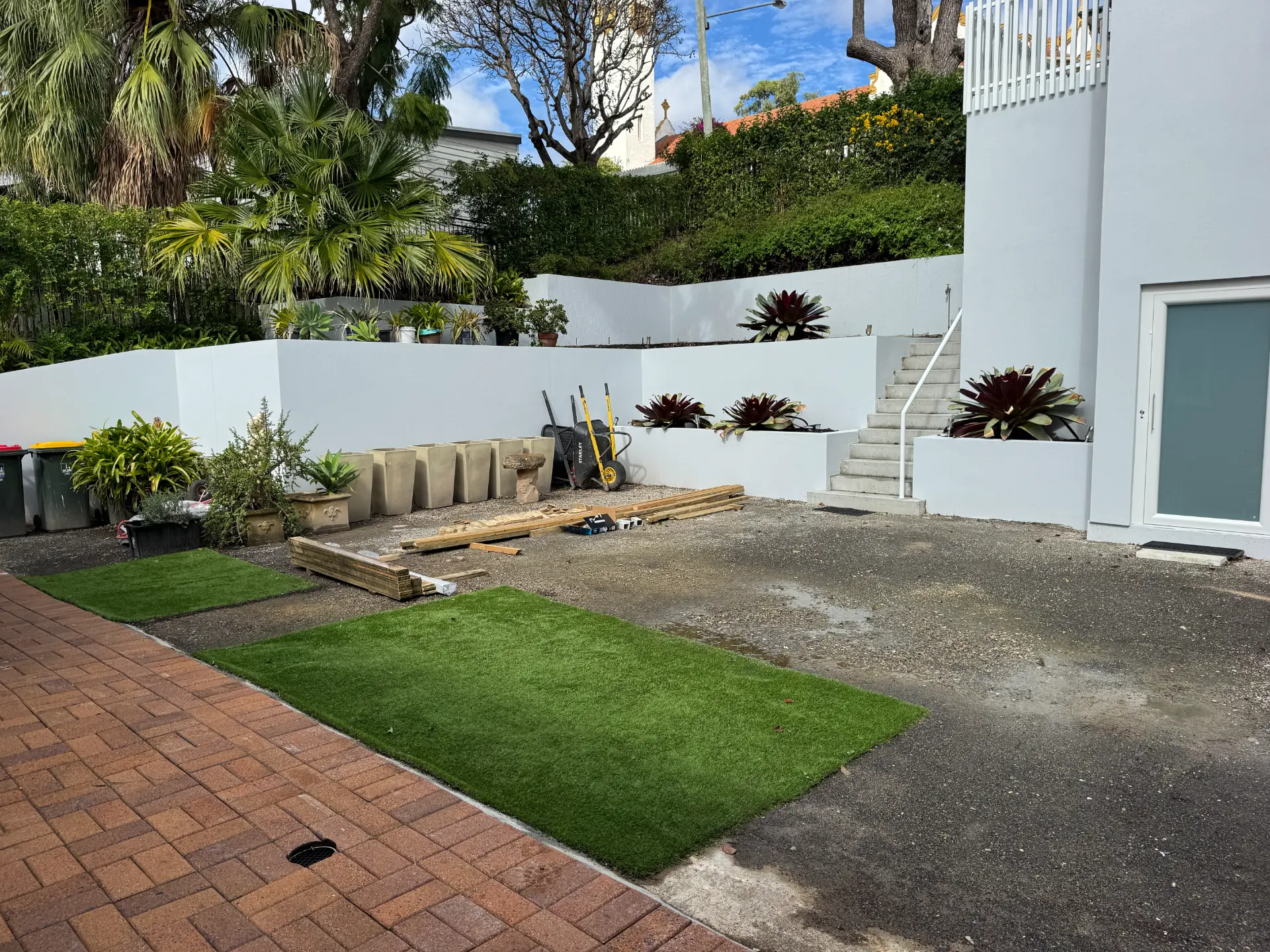
- How it's built: hollow concrete blocks on a reinforced footing, with steel and concrete fill through the cores, then often rendered.
- Good at: a solid, permanent look that can match a house. Suits taller walls and walls near structures when engineered.
- Watch for: it's usually the higher cost option and takes longer to build. Drainage behind it still matters just as much.
- Suits: higher walls, front yards where looks matter, walls near the house or driveway.
Composite sleepers
- How it's built: sleepers made from recycled materials, fitted into steel posts like concrete sleepers.
- Good at: they won't rot, they're lighter to handle, and they have a timber-style look.
- Watch for: they're not the right choice for every height or load. We'll tell you on site whether they suit your wall.
- Suits: lower garden walls and garden beds where you want a timber look without the rot.
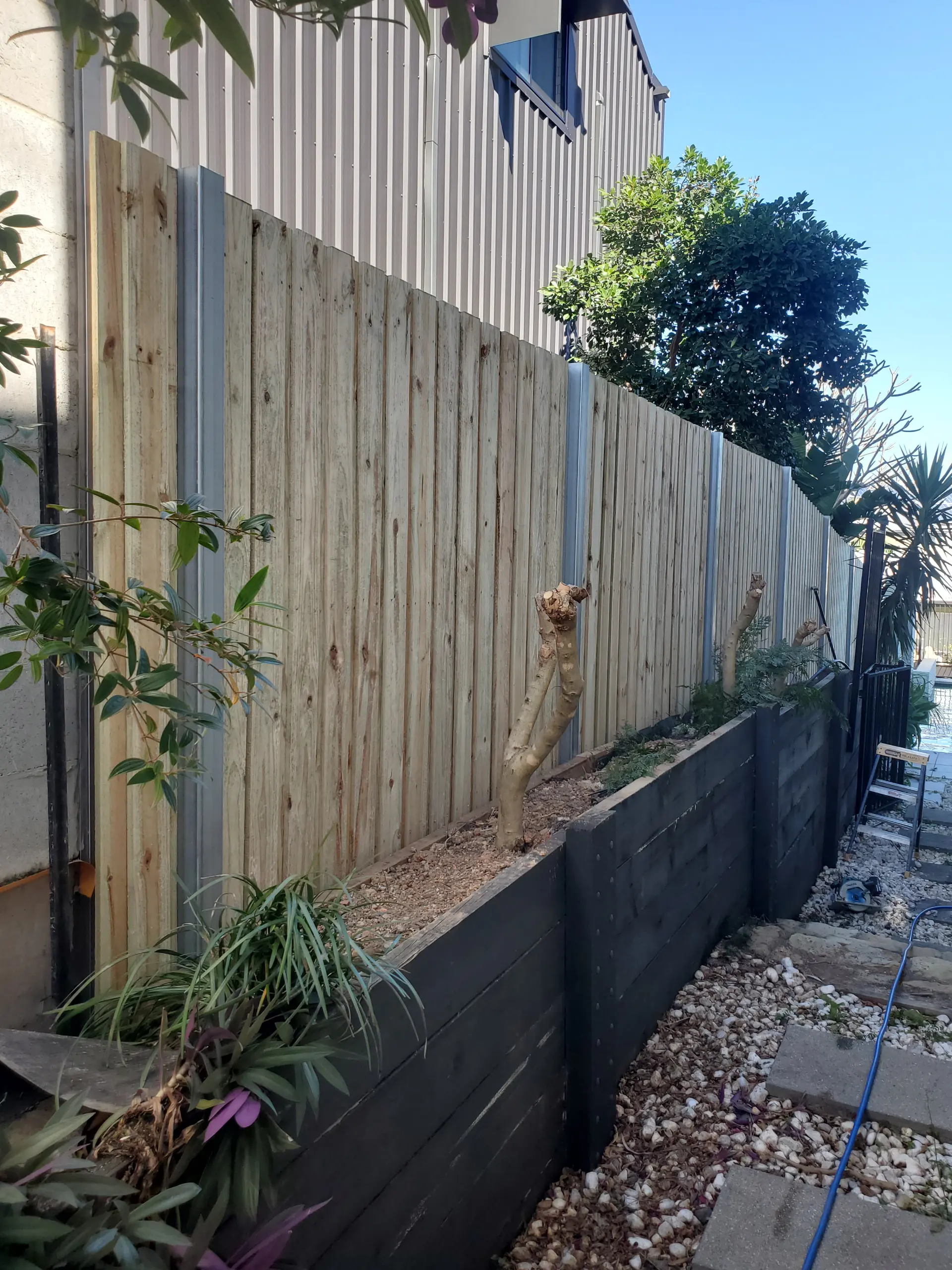
Timber sleepers (pine or hardwood)
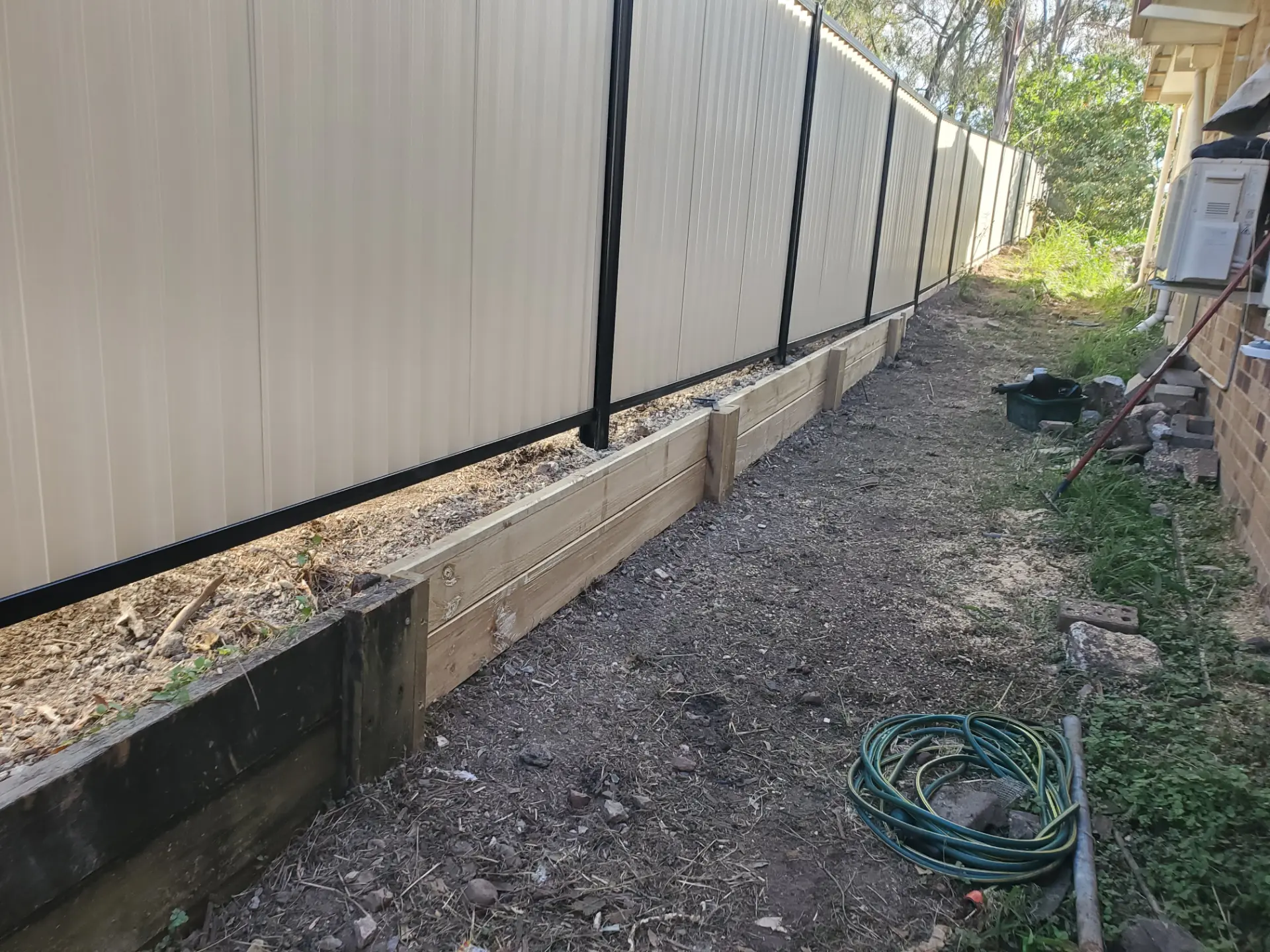
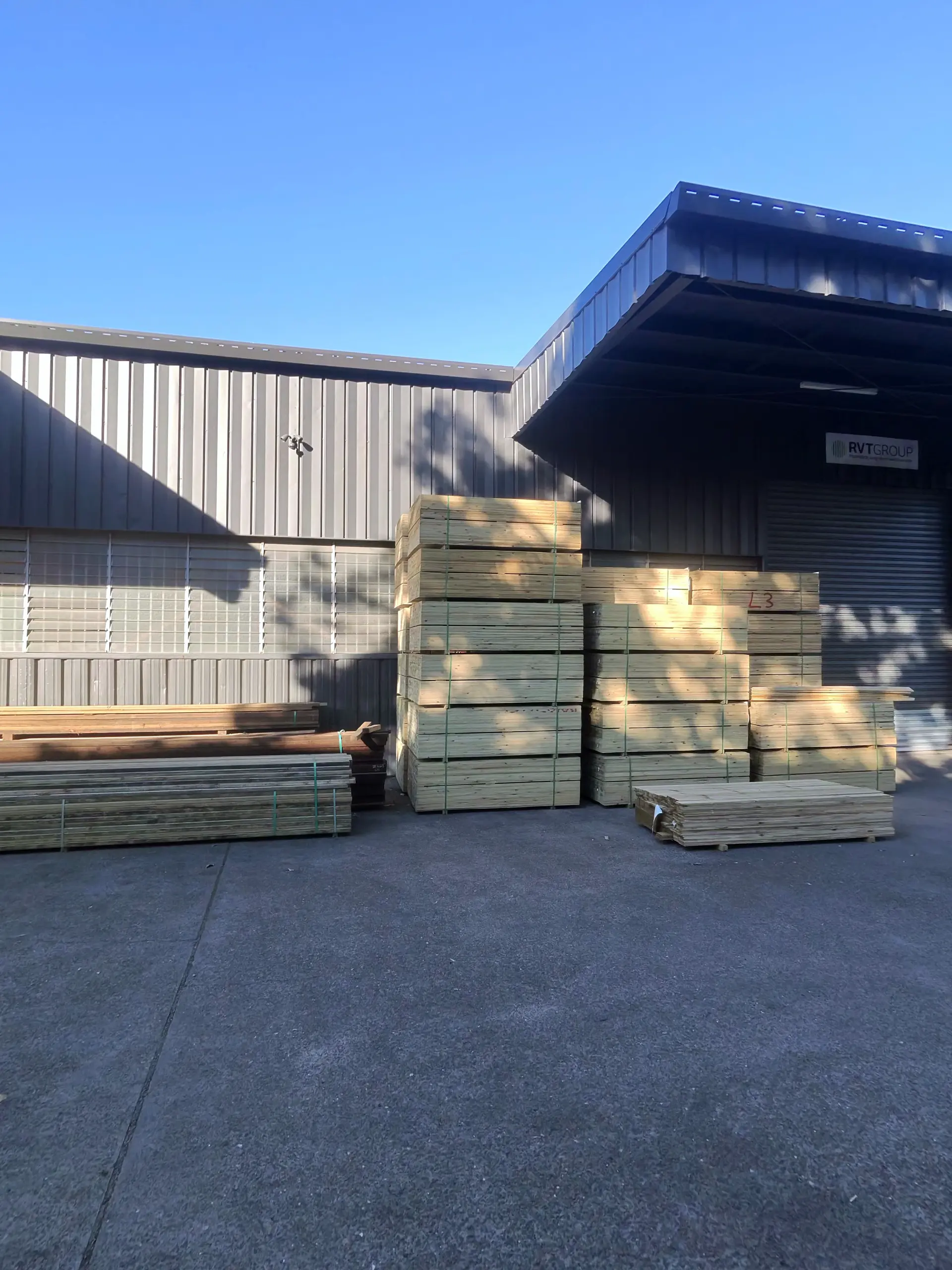
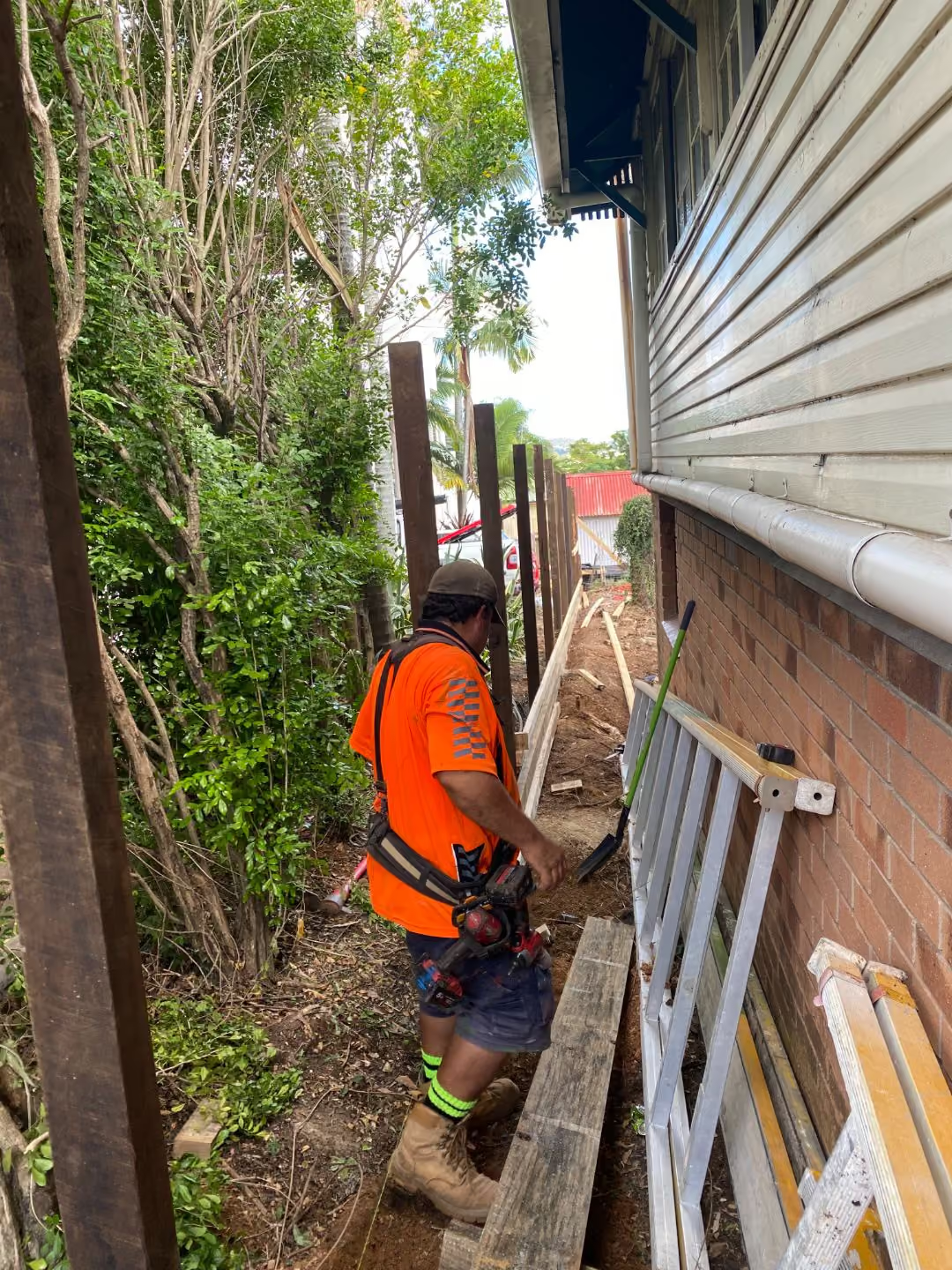
- How it's built: traditionally timber sleepers on buried timber posts. We set ours in galvanised steel posts instead, because buried timber is where walls rot first.
- Good at: lowest upfront cost and a natural look.
- Watch for: timber in contact with wet soil breaks down over time. Most of the walls we replace are old timber walls.
- Suits: low garden edges and tighter budgets.
We compare these two in more detail in timber vs concrete sleepers.
What actually decides it
- Height. The taller the wall, the more the structure matters.
- What's above it. A driveway or fence on top needs a wall designed for that load.
- The look you want. Rendered block, plain concrete, or a timber look.
- Budget over time. A cheaper wall that needs replacing sooner isn't always cheaper.
The part that matters more than material
Honestly, the wall type matters less than how it's built. A concrete sleeper wall with posts at 2.4 m and no drainage will fail before a well-built timber wall. Whatever you choose, ask about post spacing, post material, footing depth and drainage. See what you need to know before building a retaining wall.
Not sure which suits you?
We'll bring samples, look at your wall's height and what it's holding back, and give you an honest recommendation, including when the cheaper option is perfectly fine. You can also see more on our retaining walls page.
Thinking about your retaining wall? Call us on 07 2141 7748, get a price online or let's have a chat.
Related posts




Ready to start? So Are We.
