

Temporary or Permanent Fencing on a Building Site: Who Does What?
Hire fencing secures the site. Permanent fencing finishes the job. Here's how to plan the changeover without leaving gaps.

In this post:
- The difference between temporary and permanent fencing
- When to plan the switch from one to the other
- How to avoid gaps in site security or pool barriers
On almost every build, there are two kinds of fence. The temporary hire fencing that secures the site while work is going on, and the permanent fence that's part of the finished project. Problems usually happen in the gap between the two.
Temporary fencing
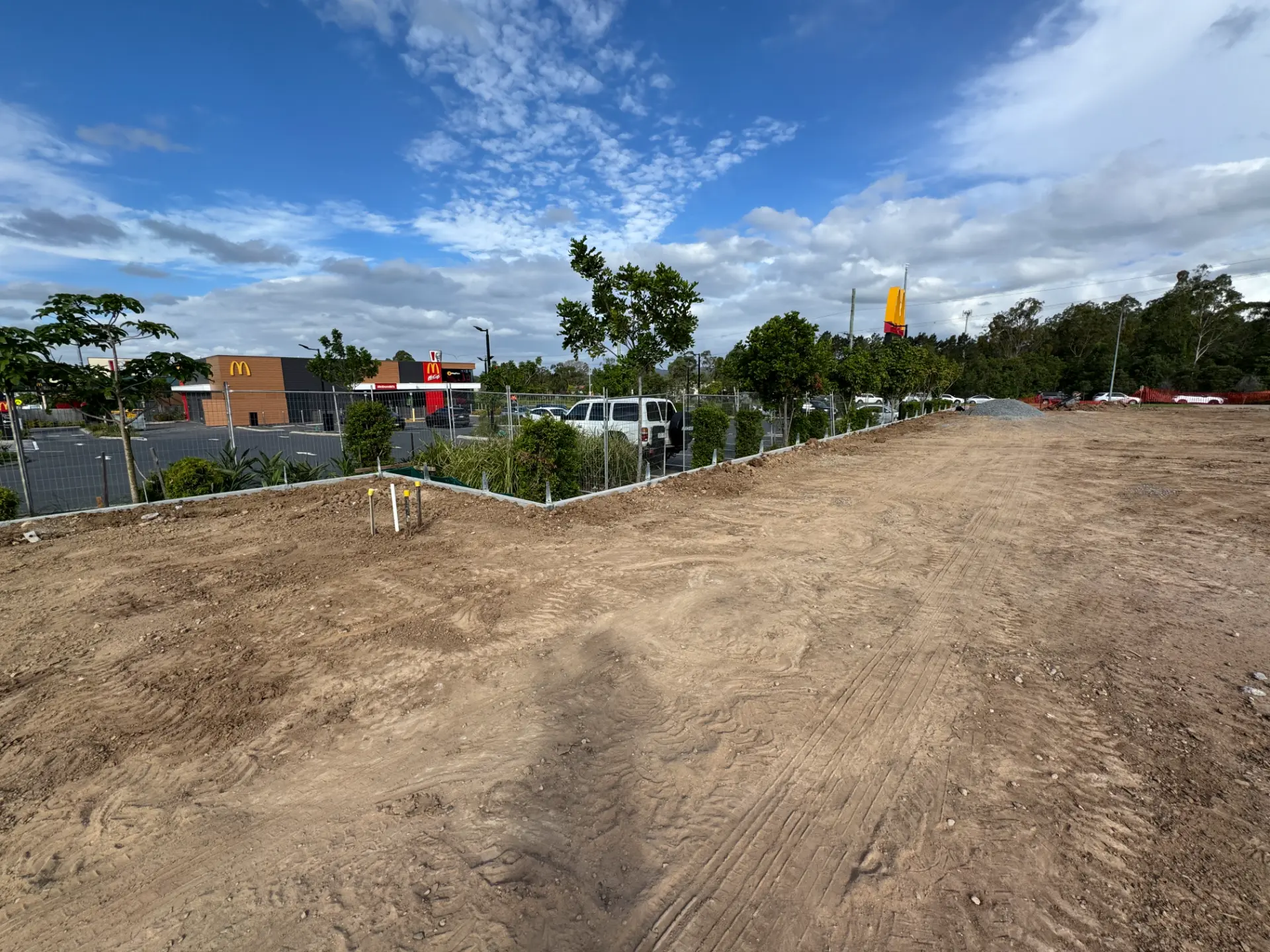
Temporary fencing is usually hired panels on feet. It keeps the public out, protects materials and equipment, and helps the site meet safety requirements. It's normally organised by the builder through a hire company and moved around as the job changes.
Permanent fencing
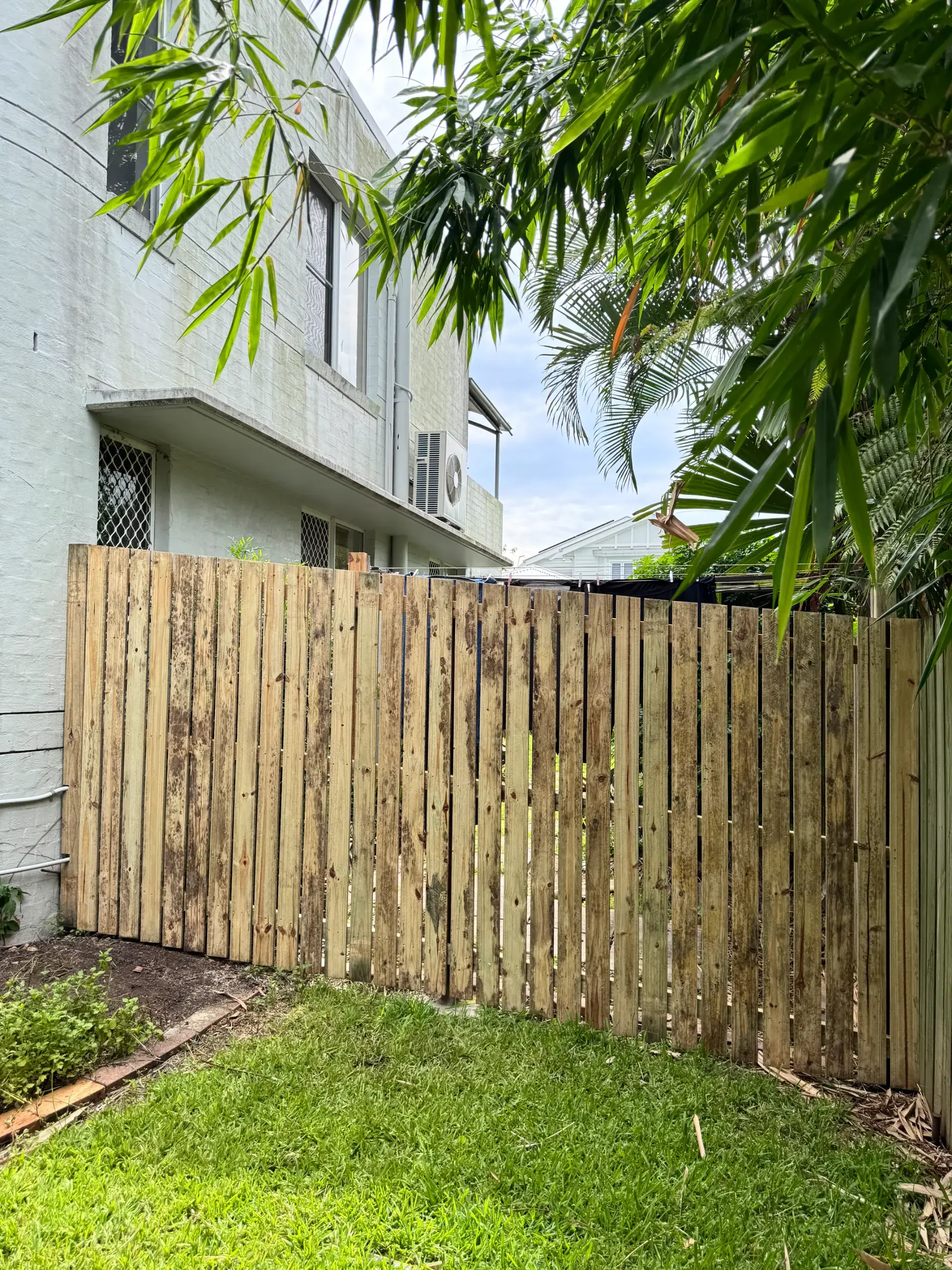
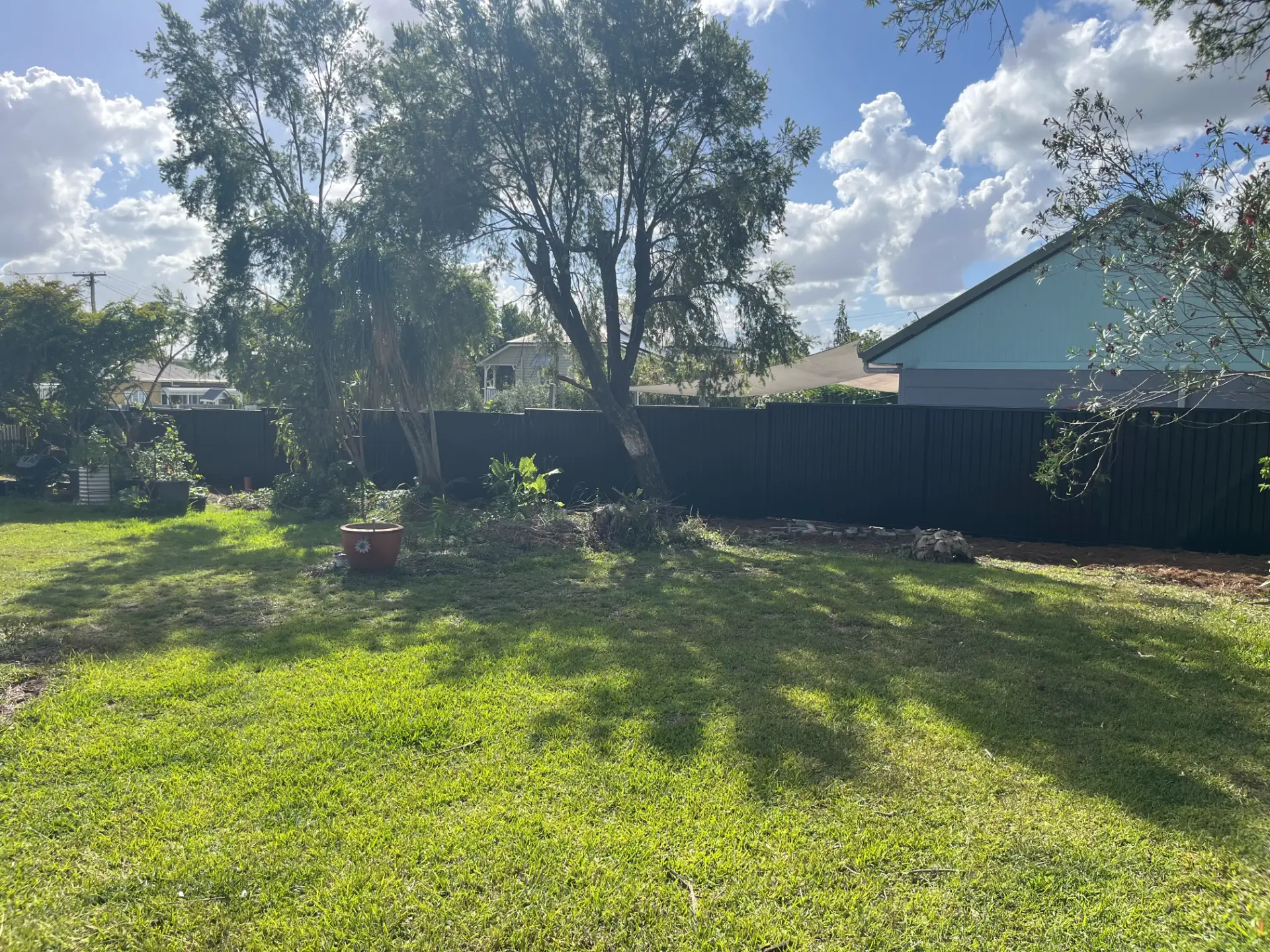
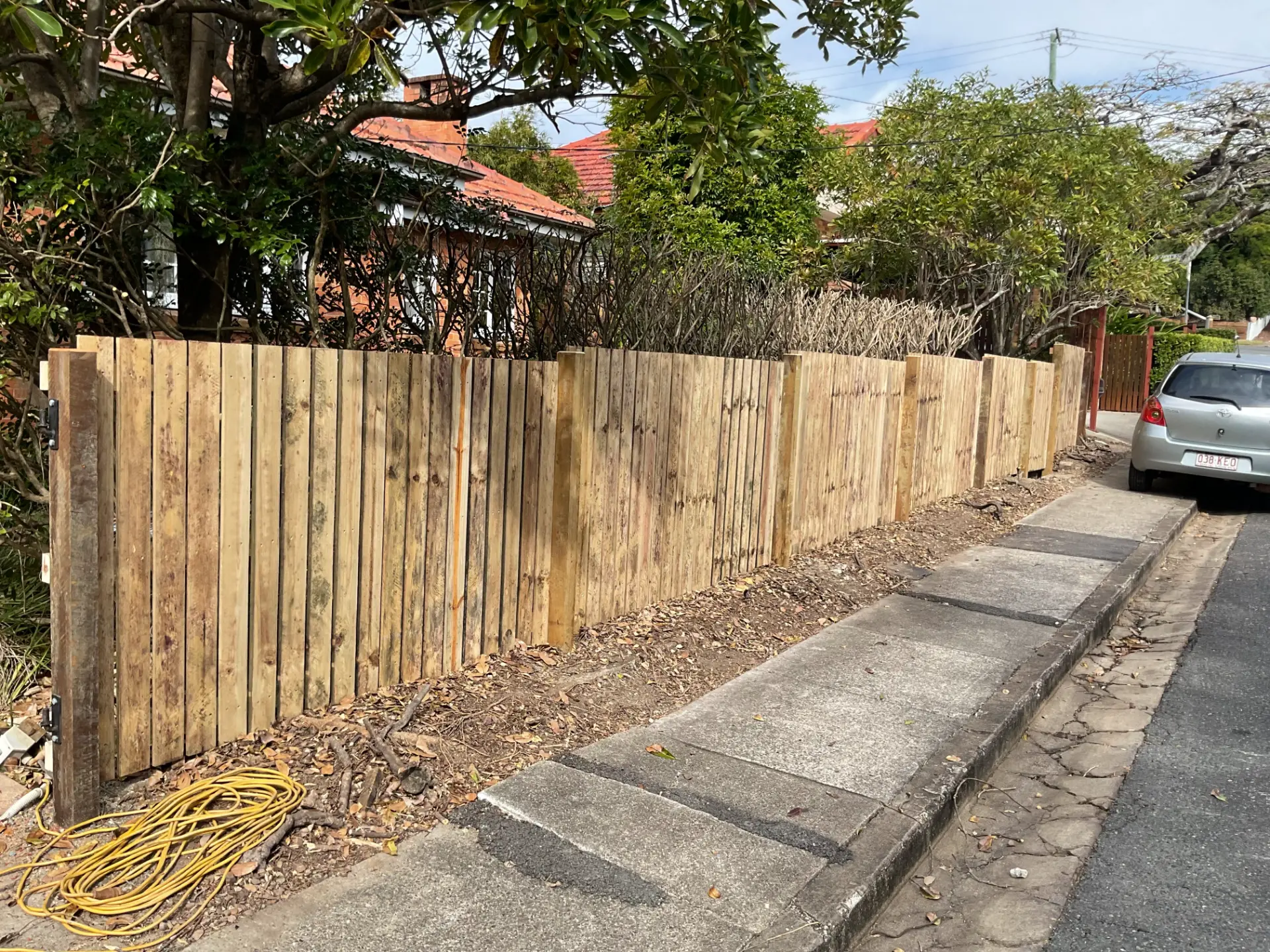
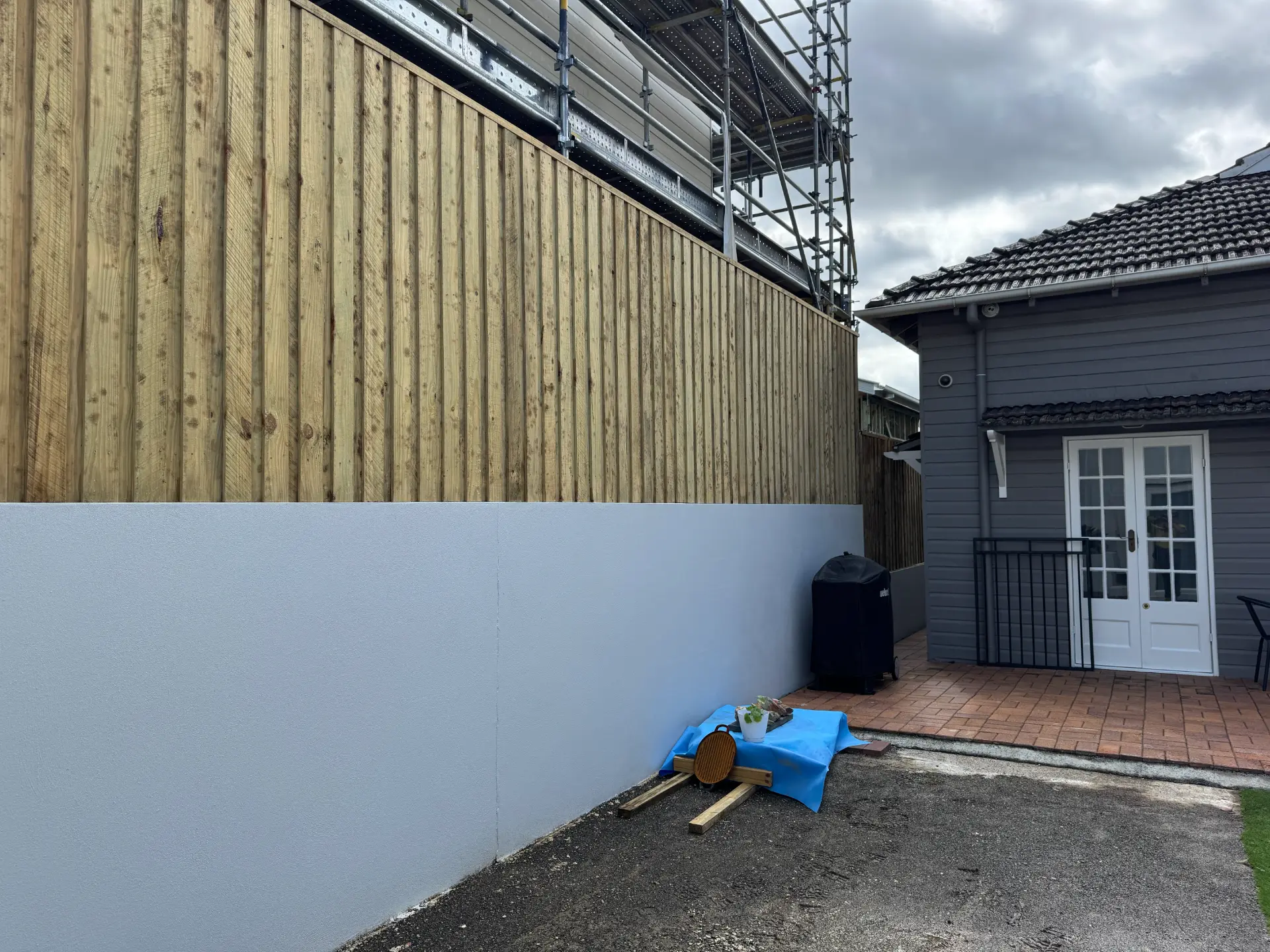
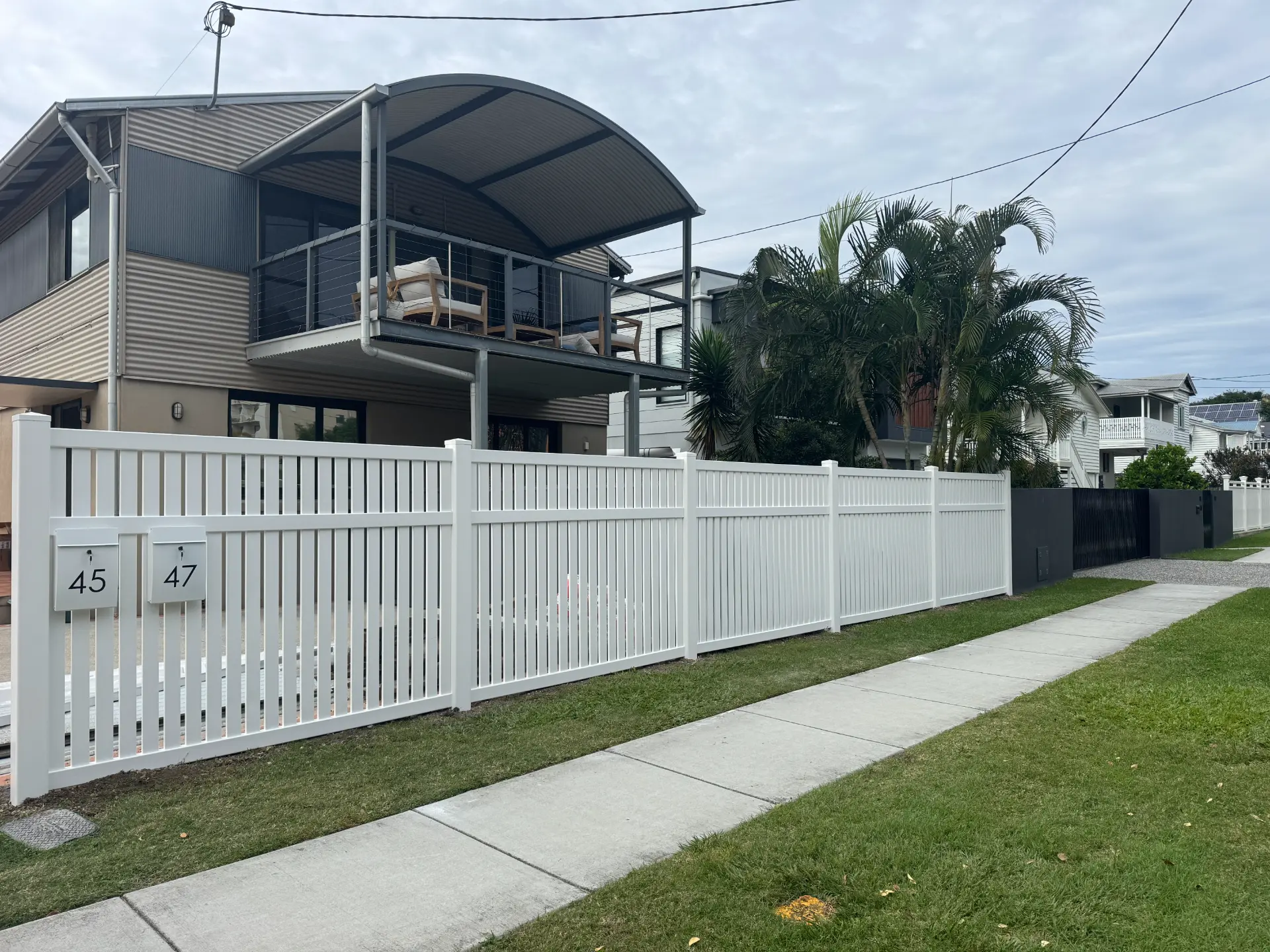
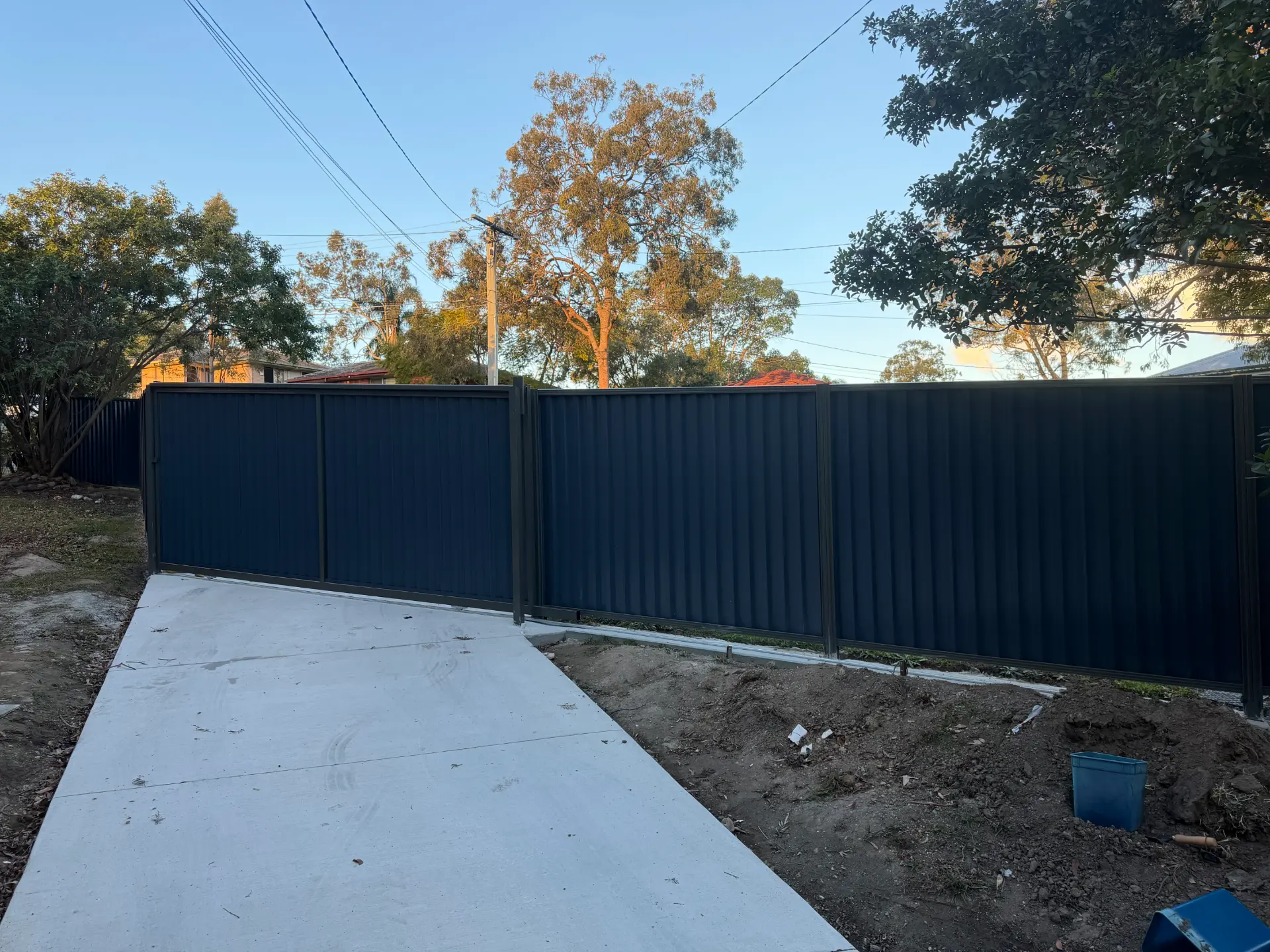
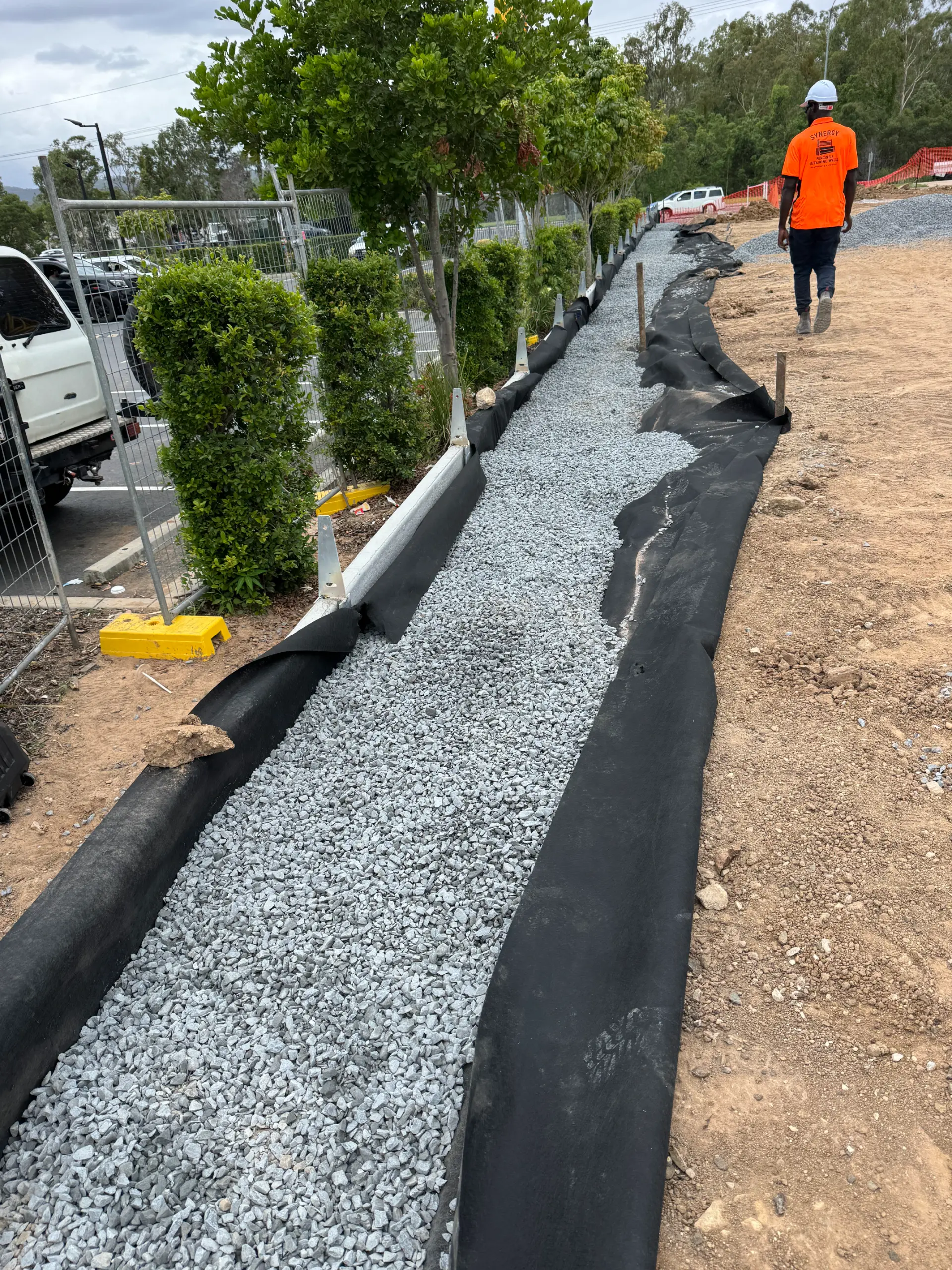
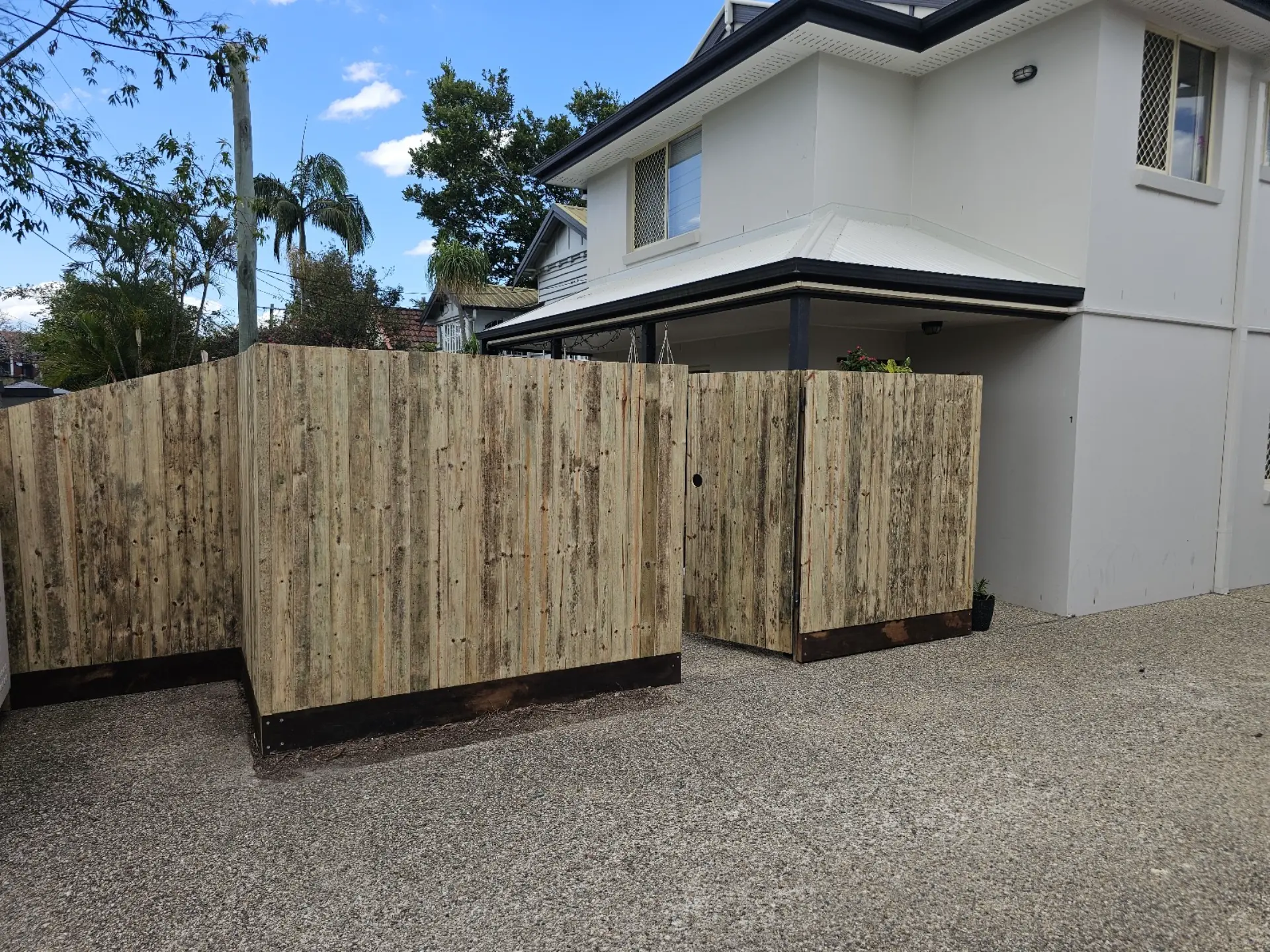
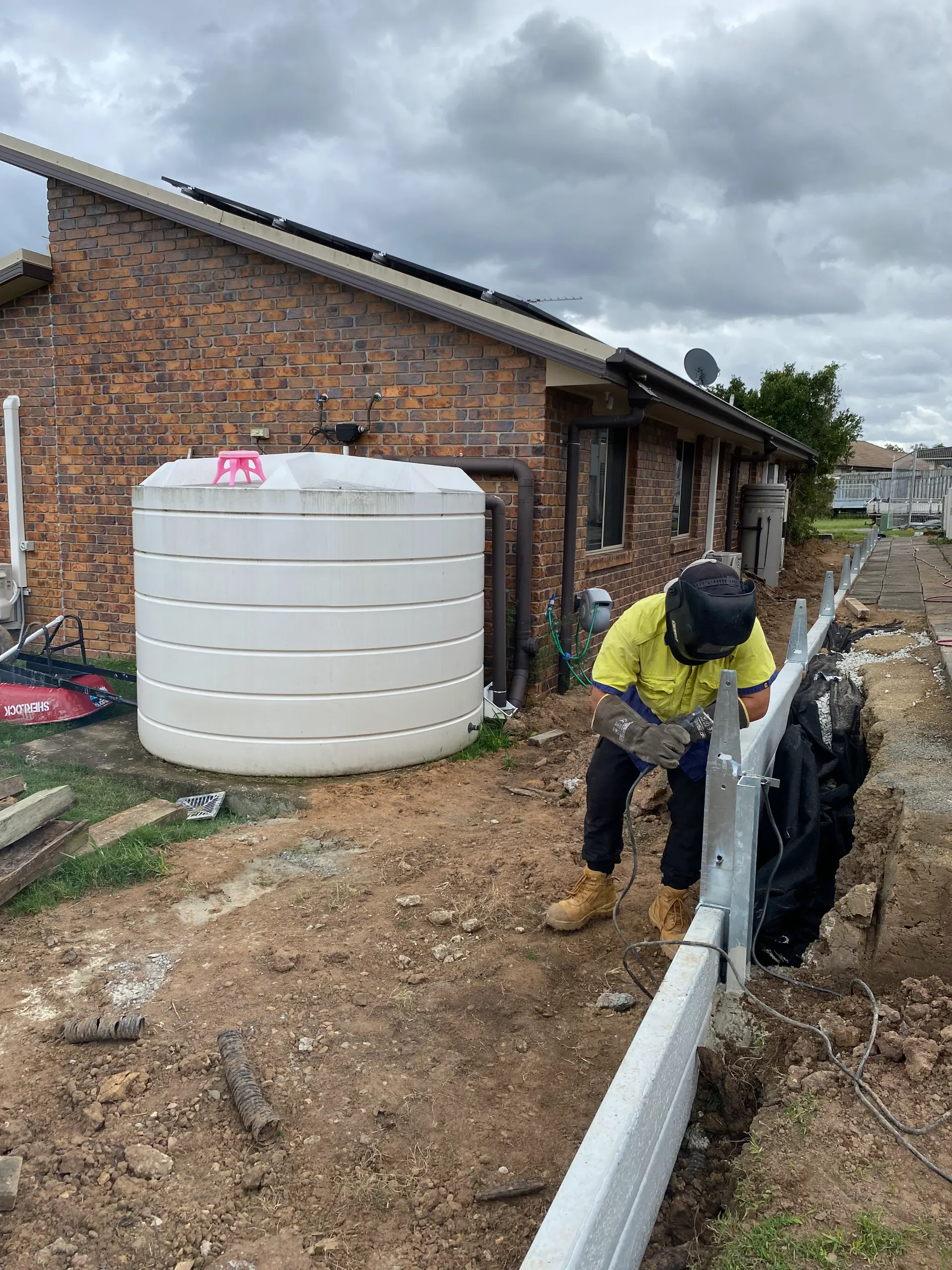
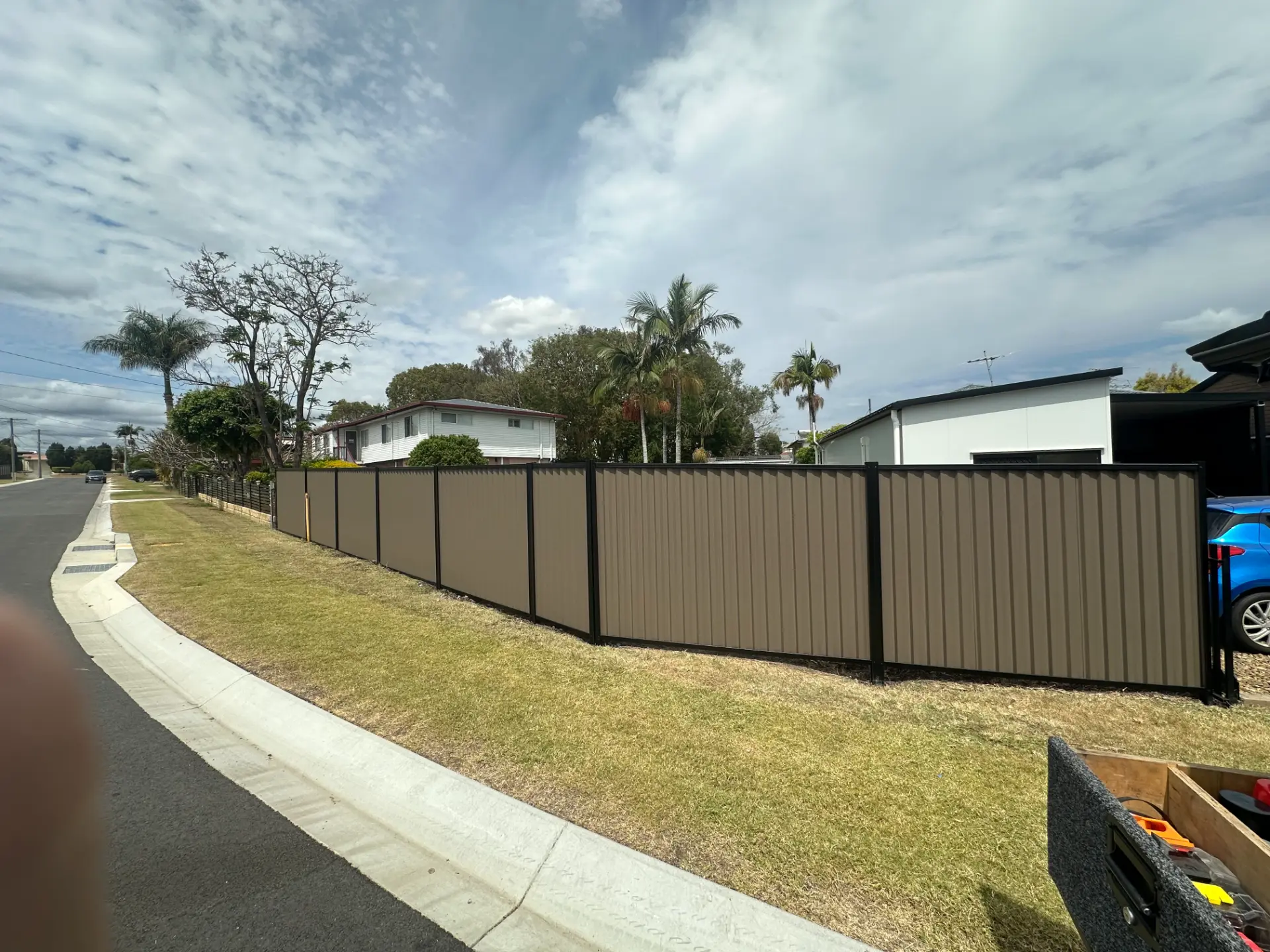
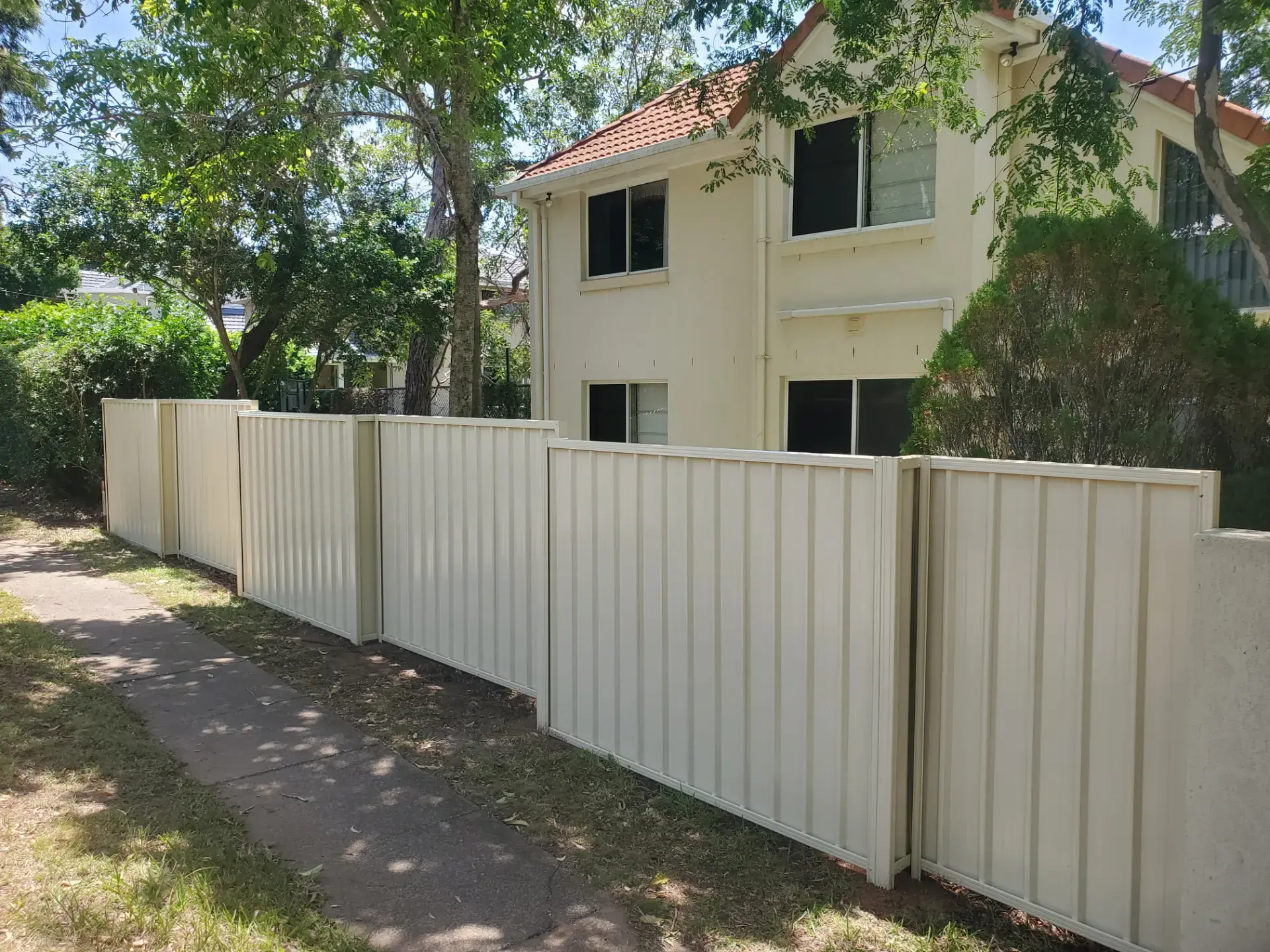
Permanent fencing is the boundary fence, pool barrier, gates and any security fencing that stays when the job is handed over. It goes in near the end, once heavy machinery has finished and finished ground levels are set.
Planning the changeover
The tricky part is the switch. If the hire fencing comes down too early, the site is open. If it stays too long, it gets in the way of the permanent fence going in.
- Confirm final levels first. Permanent posts should go in once landscaping and finished ground heights are settled.
- Swap section by section. Take down hire fencing only where the permanent fence is about to go in.
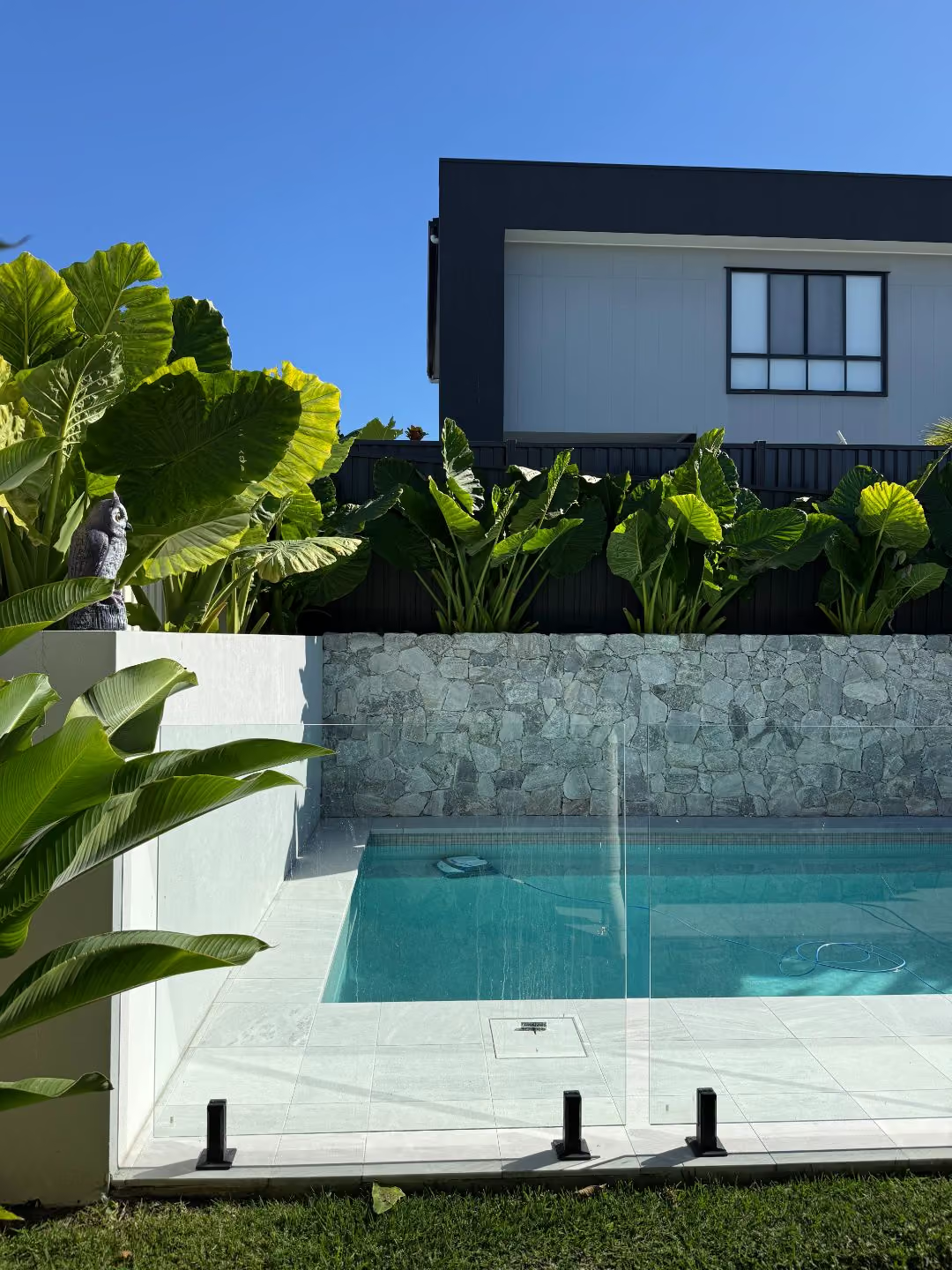
- Watch the pool barrier. If there's a pool, the barrier can't be left open. A temporary pool barrier must be approved until the permanent one is finished.
- Coordinate with landscapers. Fence first or garden first changes how much clean-up there is.
How we help
We'll talk to your site manager early about levels, timing and the changeover, so the permanent fence goes in once and the site is never left unsecured.
Common questions
When should permanent fencing go in on a new build?
Usually near the end, after heavy machinery is done and finished ground levels are set.
Can temporary fencing be used as a pool barrier?
Only if it's inspected and approved for that purpose, and only for a limited time under Queensland rules.
Planning fencing for a build? Call us on 07 2141 7748 or let's have a chat.
More Blogs


Ready to start? So Are We.
