

Why Is My Retaining Wall Sleeper Bowing?
Very often the posts are too far apart. Soil pushes hardest in the middle of each span, so a 2.4 m span bows over time. We set posts at 2 m spacing, and our walls are engineered for their height and load.
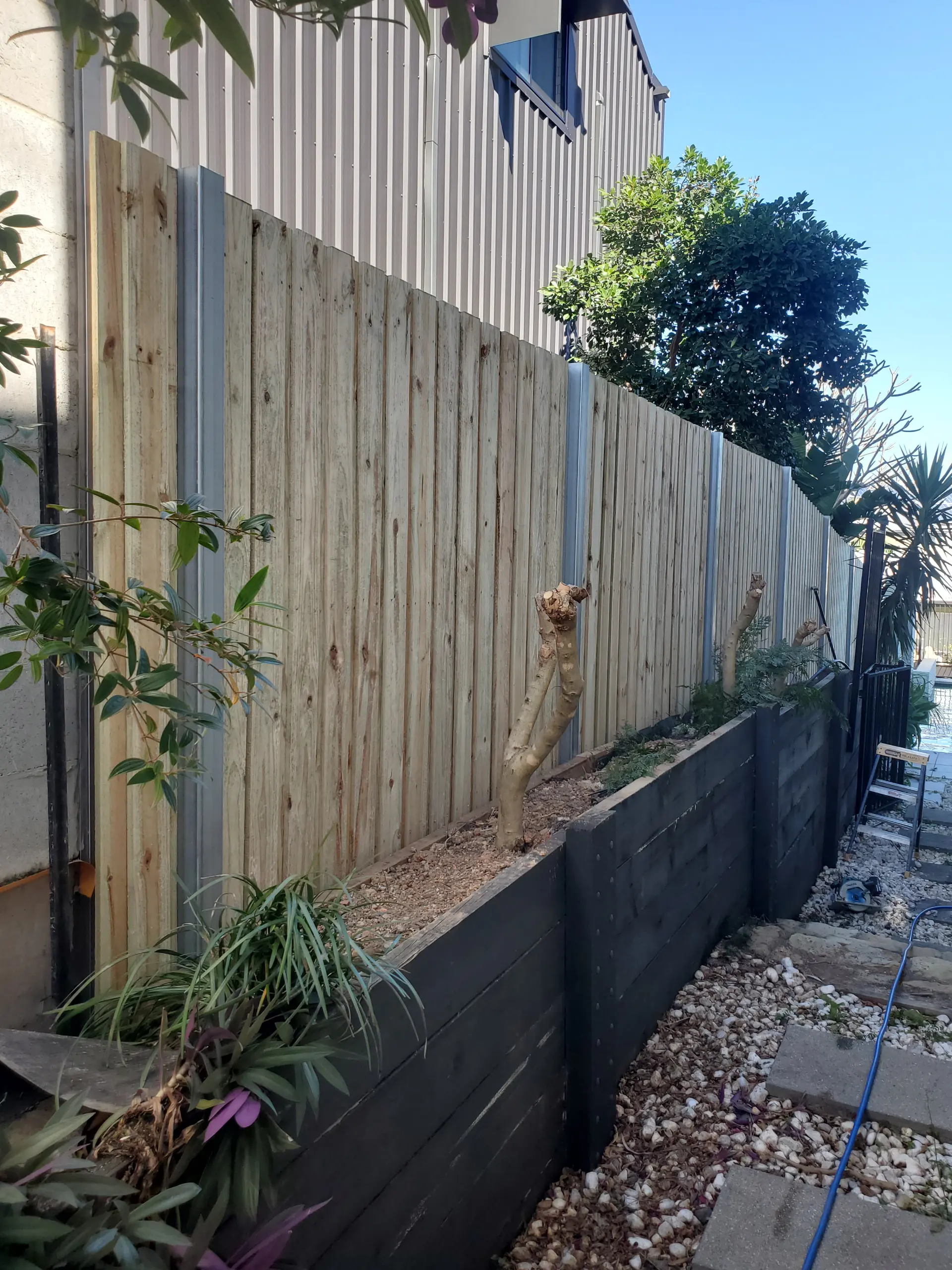
You walk past your retaining wall and notice it. The sleepers aren't straight any more. They're pushed out in the middle, like a belly. On some walls, a sleeper has cracked right through.
We see this a lot on site visits around Brisbane. And very often, the cause is the same: the posts are too far apart.
Why it happens
Sleepers usually come in 2.4 m lengths. So the easy way to build a wall is to put a post every 2.4 m, and drop a full sleeper in between. No cutting, less work, fewer posts.
The problem is what's behind the wall. Soil is heavy, and when it's wet it's even heavier. It pushes against the sleepers all day, every day, and it pushes hardest in the middle of each span, where the sleeper has nothing holding it.
Think of a long plank held up at both ends. Push on the middle and it bends. The longer the plank, the more it bends. A sleeper behind a retaining wall is exactly the same.
Over time, that constant pressure makes the sleeper bow. Timber sleepers sag and twist. Concrete sleepers can crack.
It gets worse with height
The taller the wall, the more soil it holds back, and the more pressure there is on the bottom sleepers. A 2.4 m span might get away with it on a very low garden edge. On a taller wall, or one holding back a driveway, a slope or wet clay, it's asking for trouble.
What we do differently
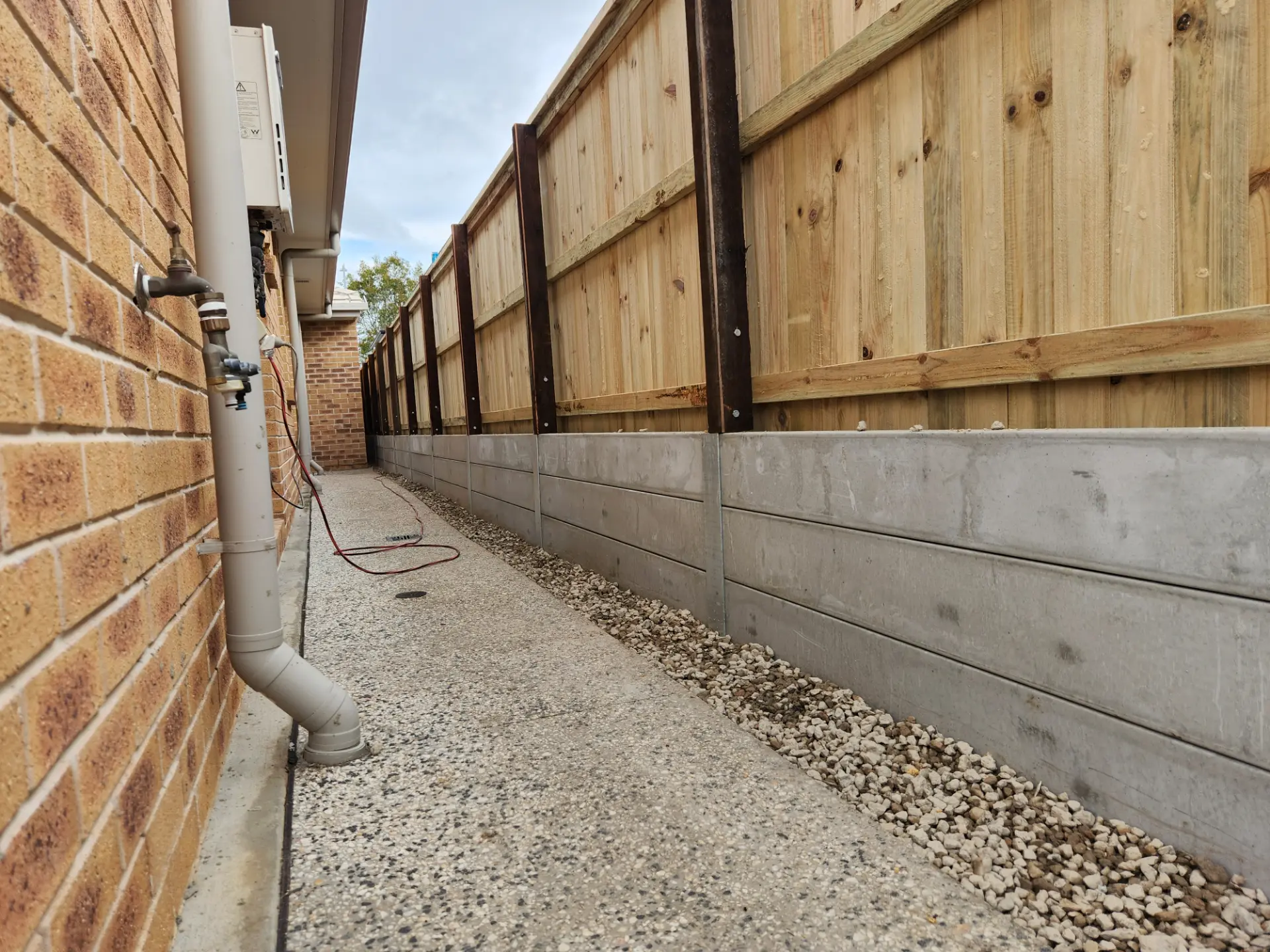
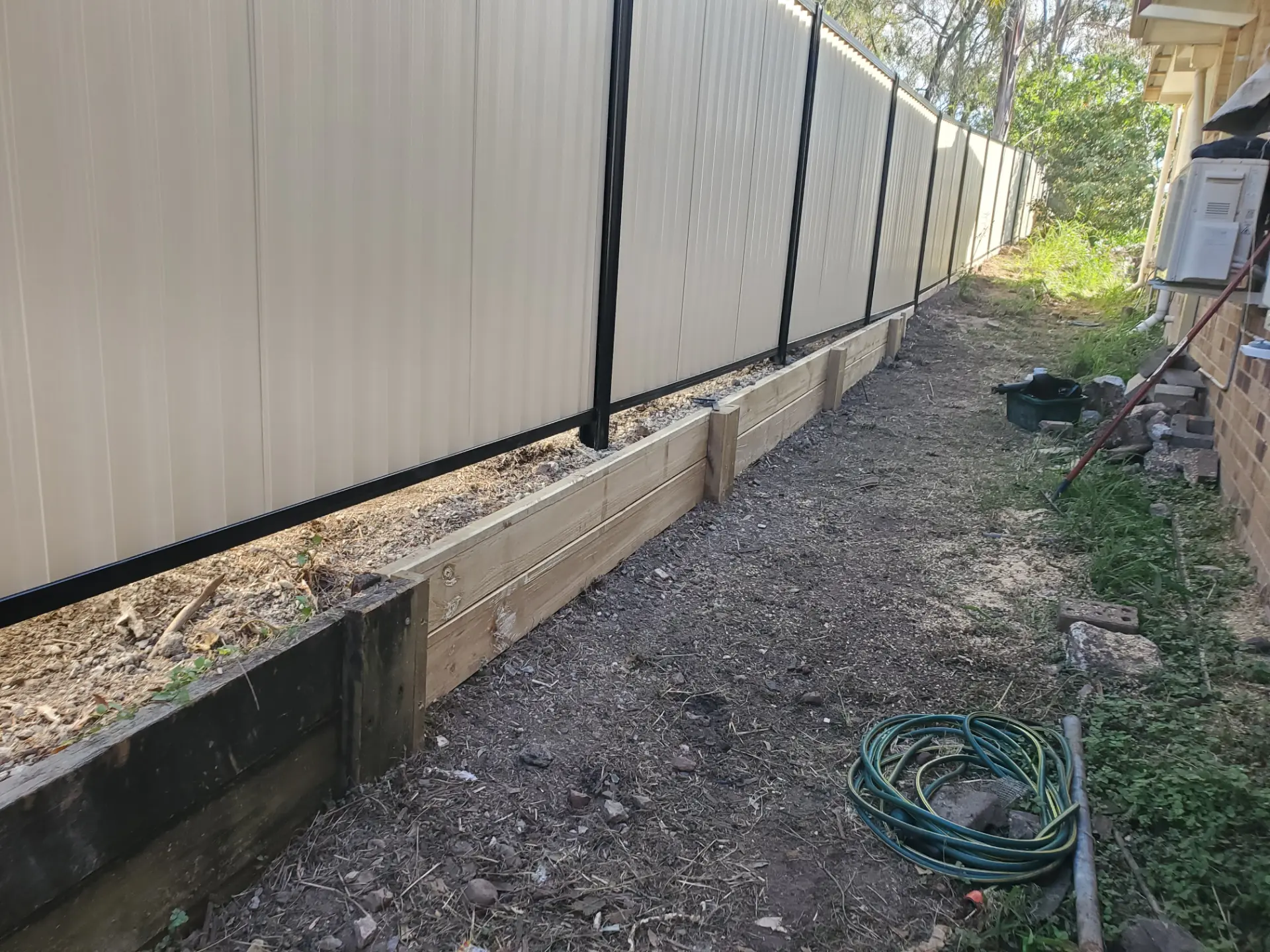
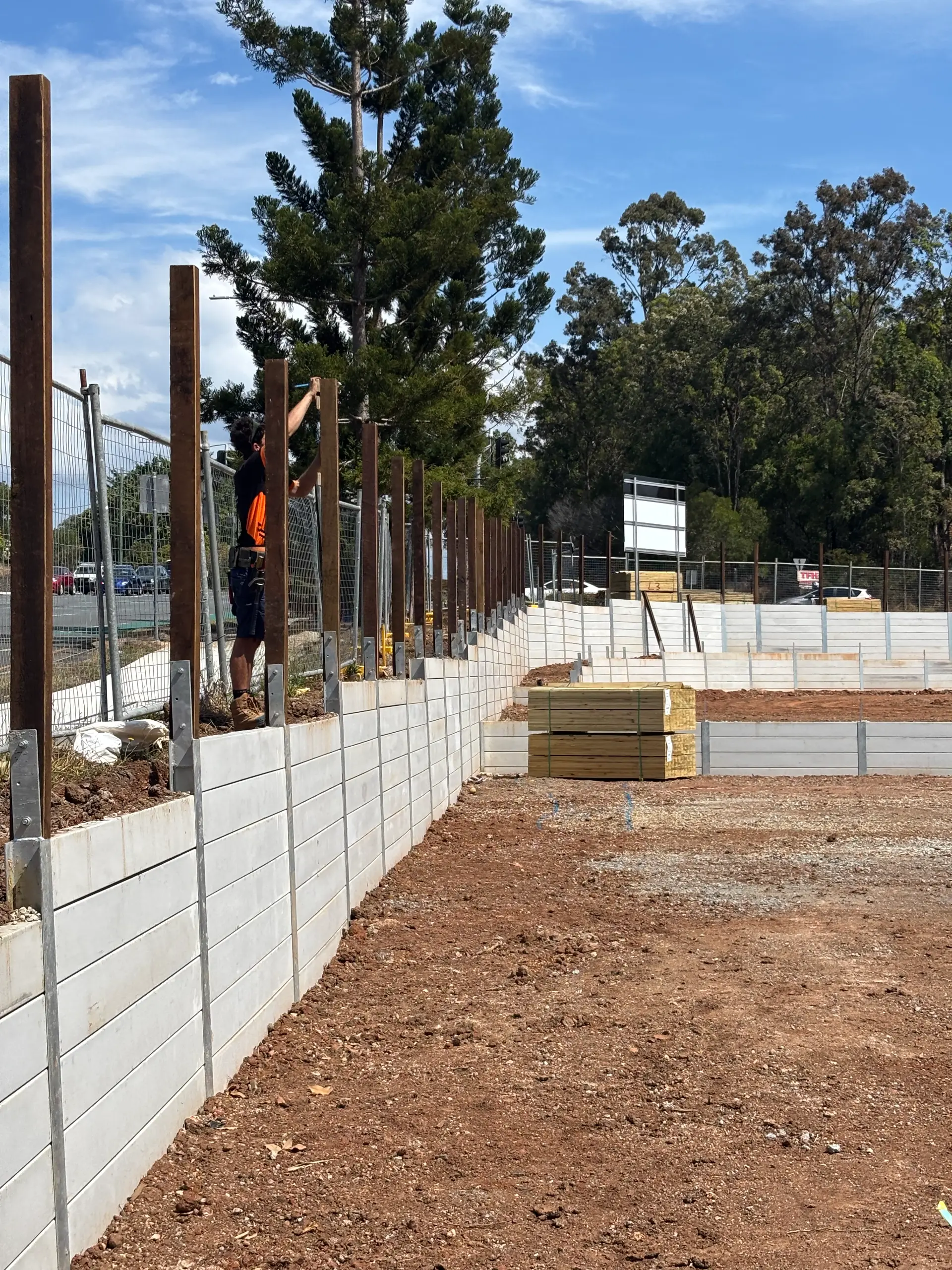
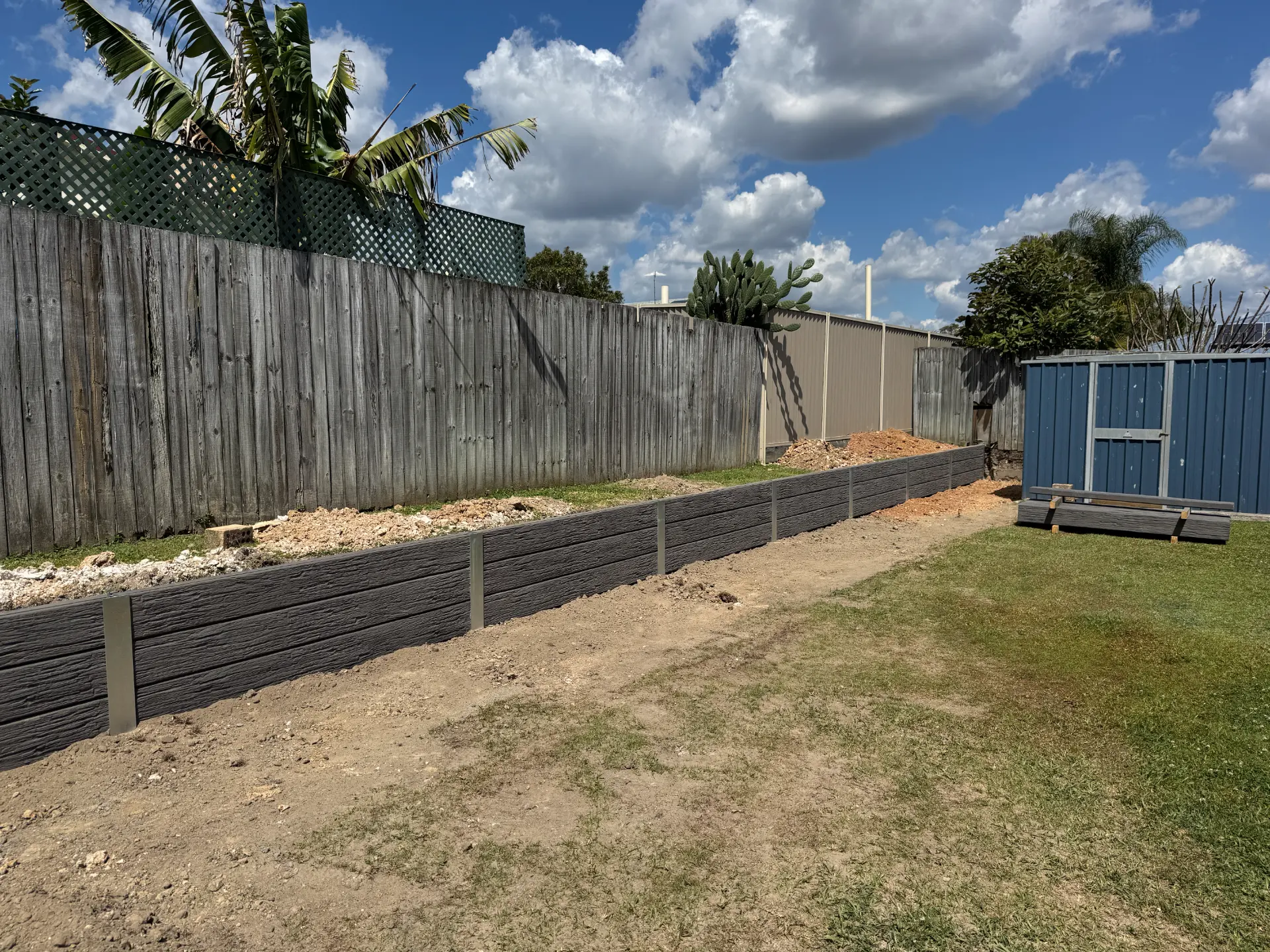
We set our posts at 2 m spacing.
We buy 2 m sleepers to suit, which means more posts and a bit more work, so it costs a little more. But a shorter span bends a lot less, so the sleepers stay straight and are far less likely to crack.
And we don't guess. Our walls are engineered, so the post spacing, post size and footing depth are designed for your wall's height and what it's holding back.
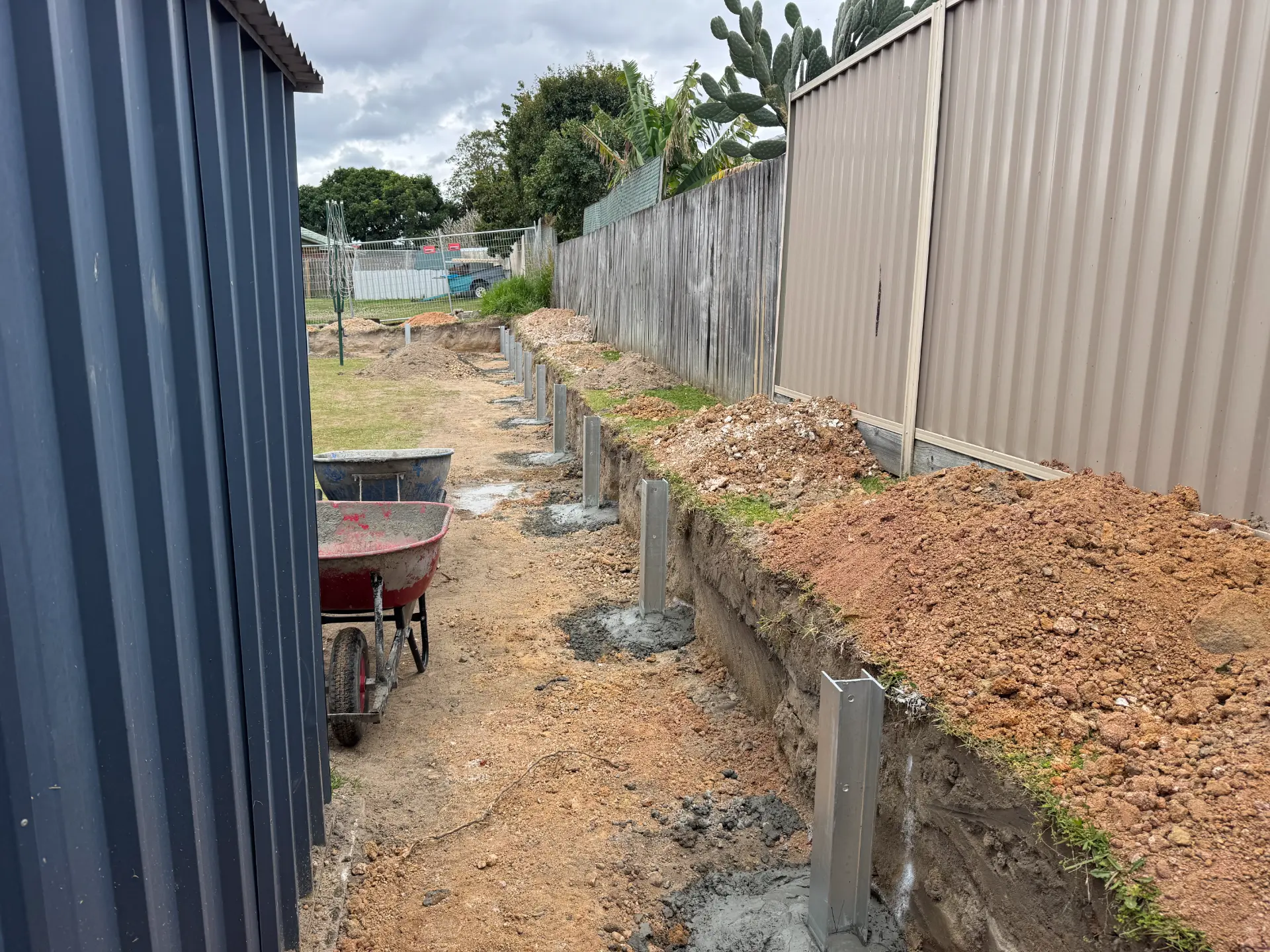
We also set our sleepers into galvanised steel posts set in concrete, so the posts themselves don't rot in the ground.
Questions to ask before you build
- How far apart will the posts be?
- What are the posts made of, and how deep do they go?
- How are you handling drainage behind the wall?
- Does my wall need engineering for its height?
If the answer to the first one is "2.4 m, a full sleeper each bay", it's worth asking why, especially on a taller wall. For the full picture, read what you need to know before building a retaining wall.
Is your wall in trouble?
Most people don't notice until it's bad. Take a minute and check:
- Sight along the top. Stand at one end and look down the wall. It should be straight, not curved.
- Check for lean. Hold a spirit level against a post. Even 10 to 15 mm of lean at the top of a 1 m wall is a warning sign.
- Look for bellies. Sleepers pushed out in the middle of a bay.
- Look for cracks. Especially in concrete sleepers, usually mid-span.
- Watch after rain. Water seeping through, or soil washing out at the base, means the drainage isn't coping.
Take a photo now and another in a few months. If it's moving, you'll see it.
Bowing or leaning?
They're different problems.
Bowing is a curve in the middle of the bays. It usually means too much pressure behind the wall, from posts too far apart, poor drainage, or both.
Leaning is the whole wall tipping forward. That usually means the posts or footings have moved.
Timber or concrete?
Timber walls usually fail from rot at the base of the posts and sleepers. Once the base has rotted, the wall generally needs replacing.
Concrete sleeper walls usually fail because the posts move, not the sleepers. If the sleepers are intact, the wall can sometimes be saved by fixing the posts and footings.
Don't wait too long
A failing wall doesn't just affect your yard. If it collapses or sends water onto the property next door, it can turn into a dispute with your neighbour. Catching it early is cheaper and much less stressful.
Already bowing?
If your sleepers are bowing or cracked, send us a photo. Sometimes a few sleepers can be replaced. Sometimes the wall needs rebuilding with closer posts. We'll tell you honestly which one it is.
Worried about your retaining wall? Call us on 07 2141 7748, get a price online or let's have a chat.
Related posts




Ready to start? So Are We.
