

When Price Is the Focus, Quality Gets Left Behind
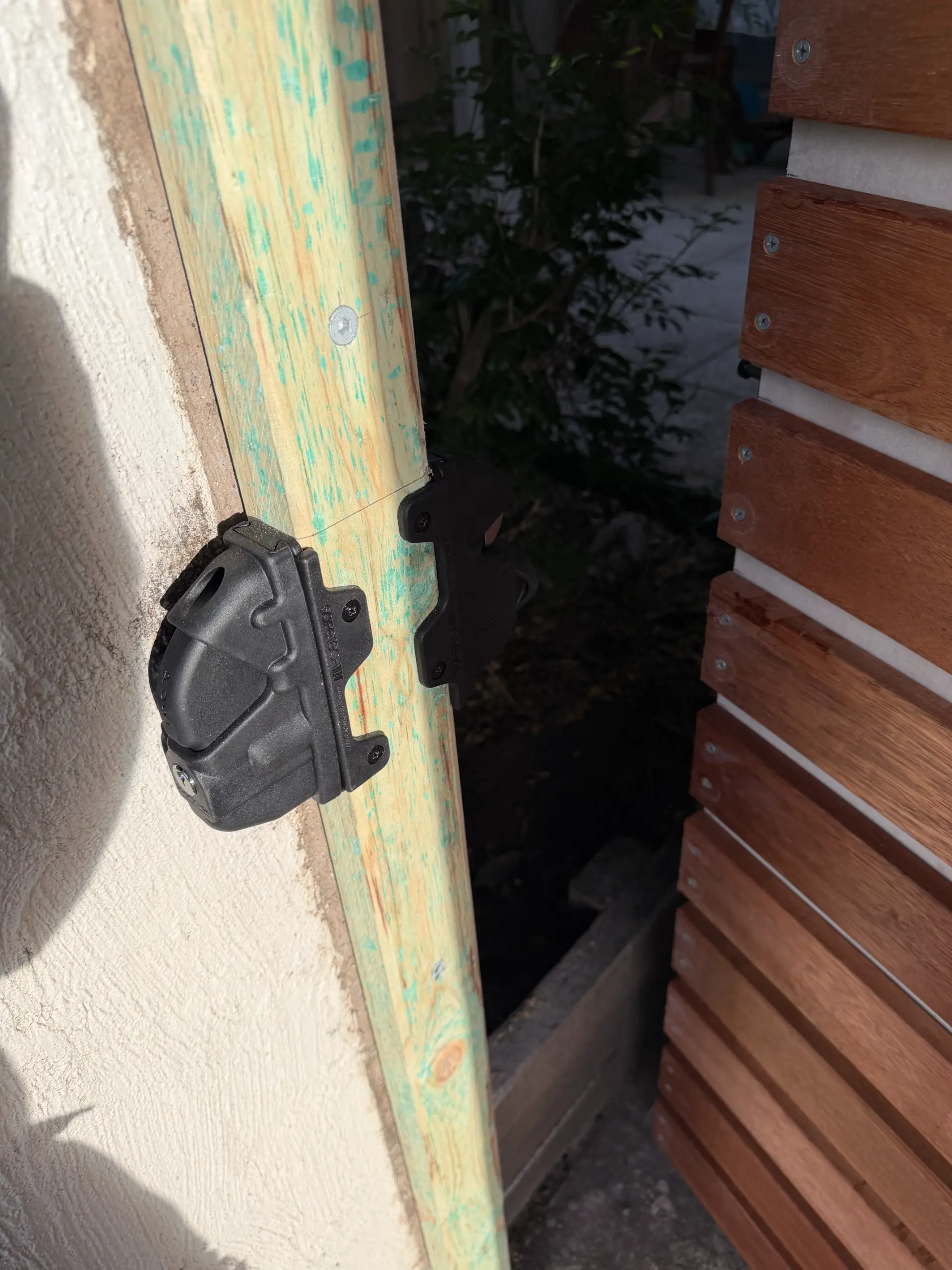
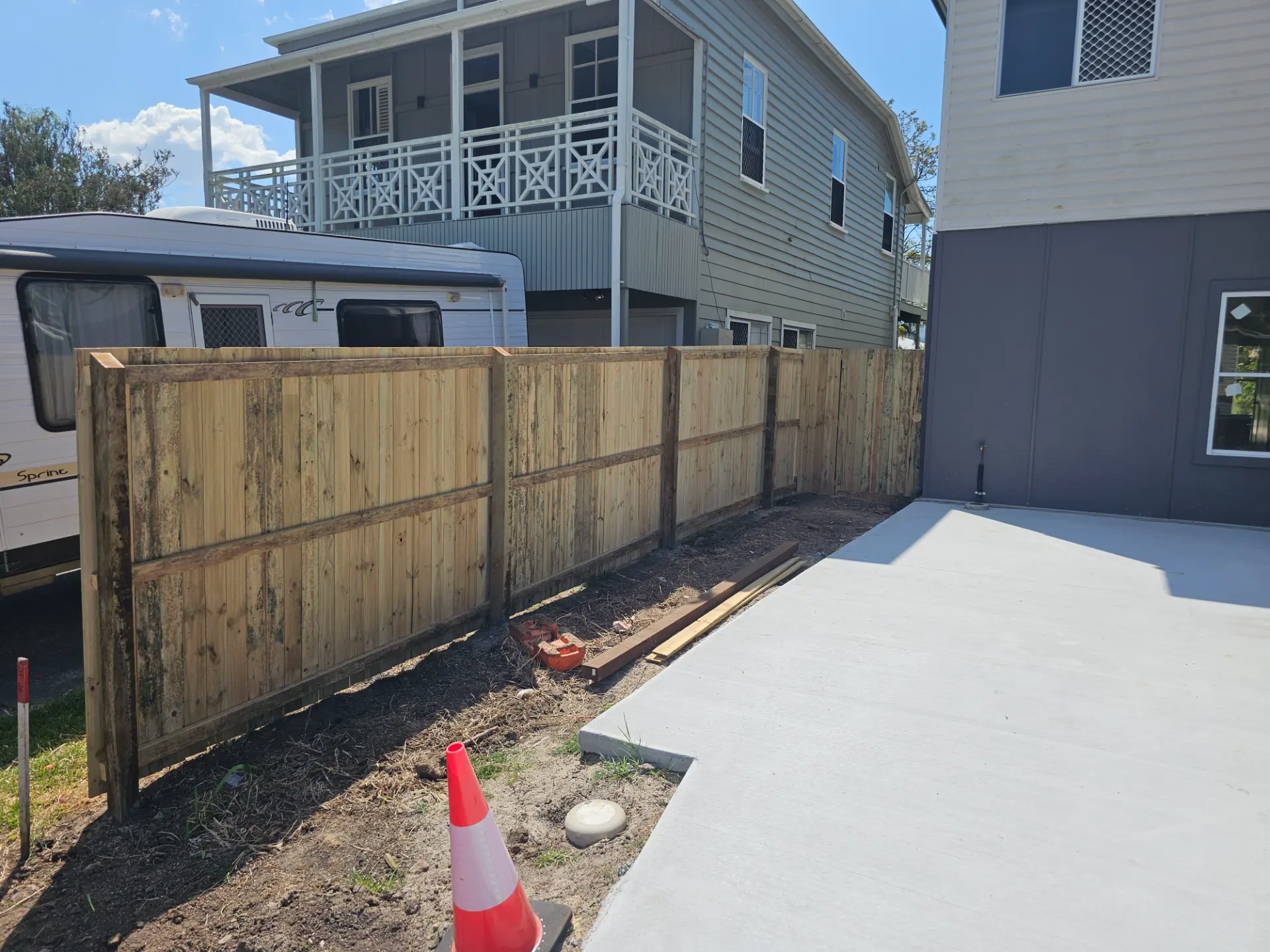
When a quote is cut right down, the hidden parts usually pay for it. In this case: bent brackets left as they were, one bolt where two were needed, and the wrong screws. The fence was leaning straight after handover.
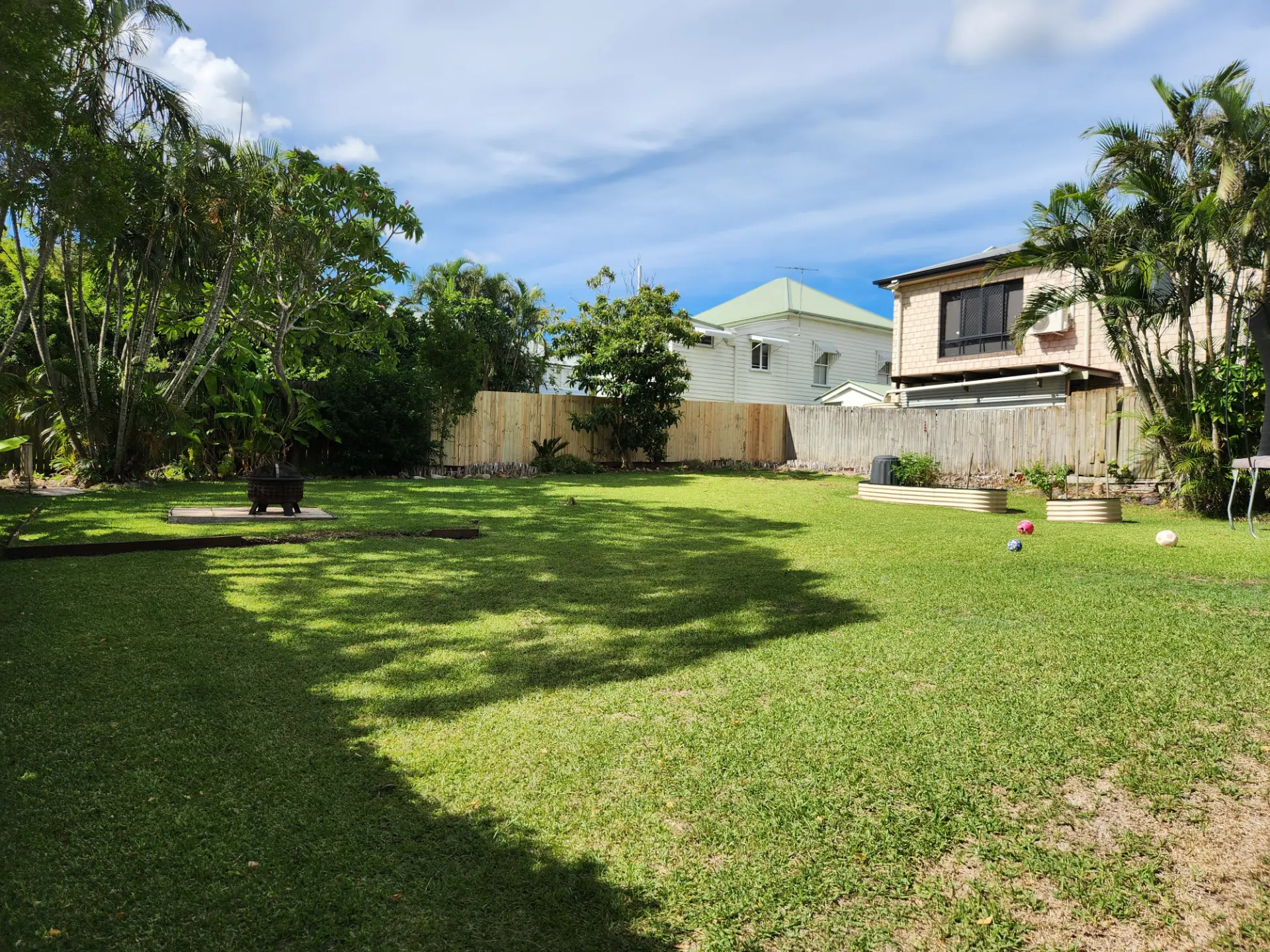
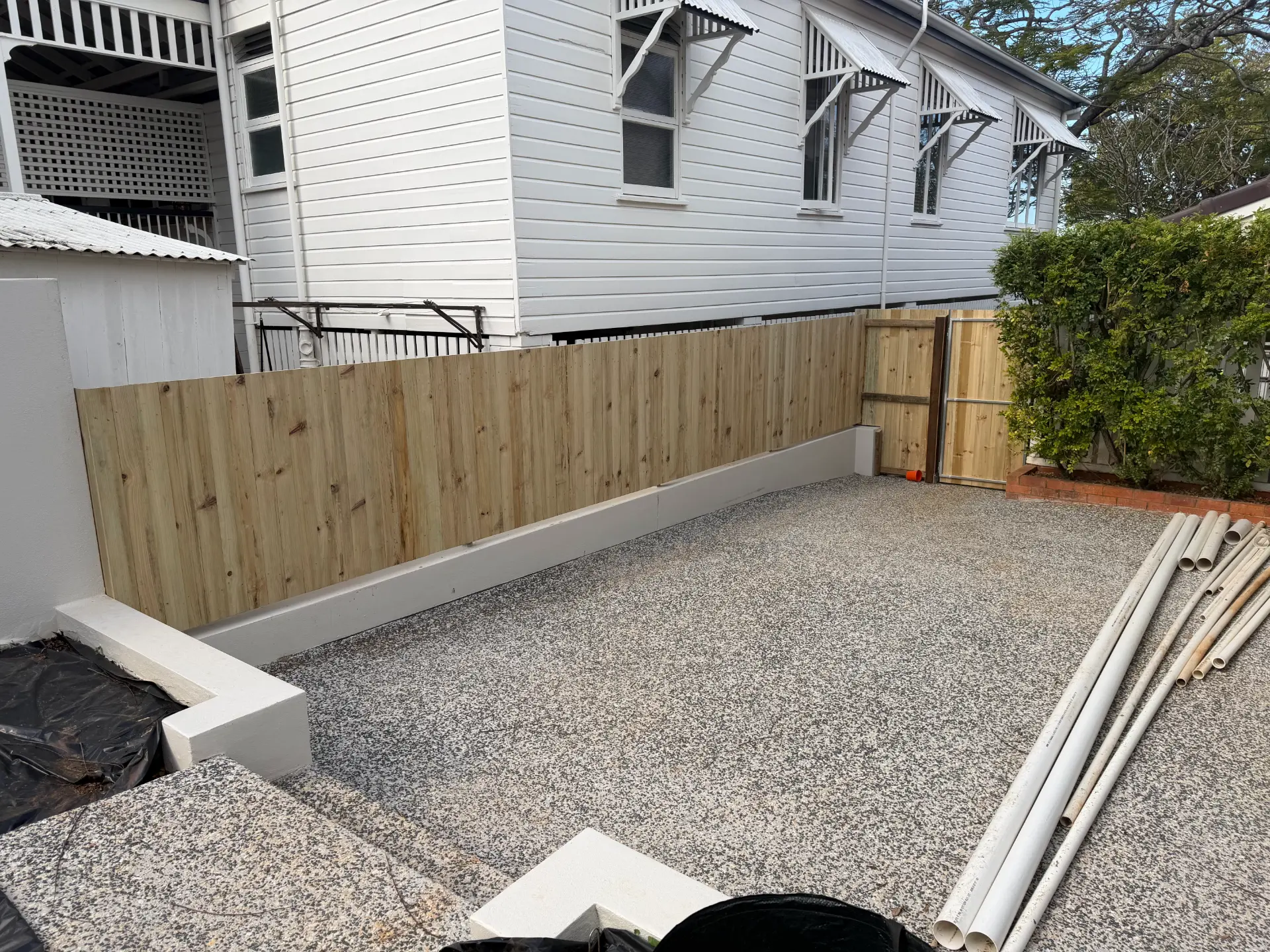
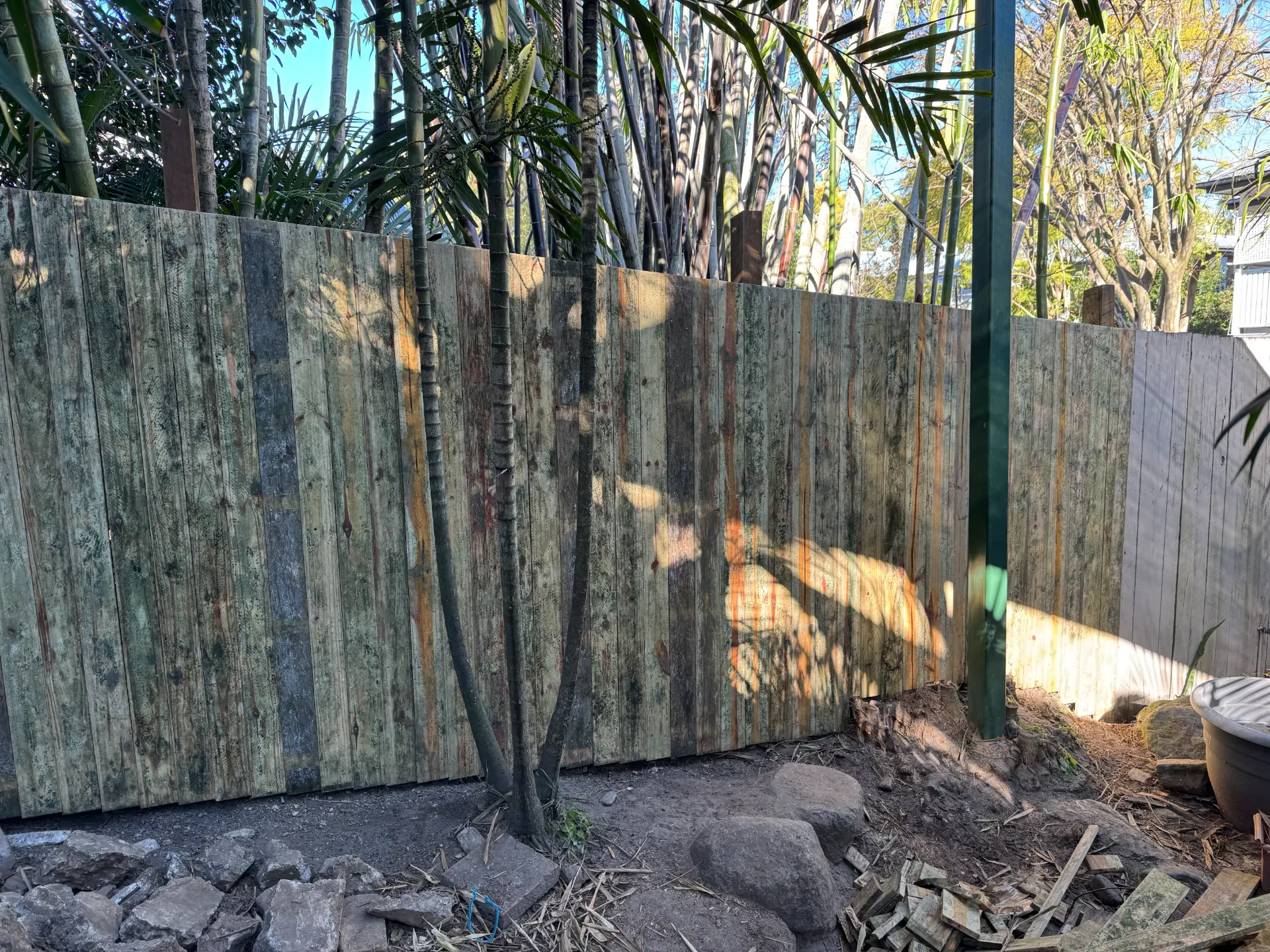
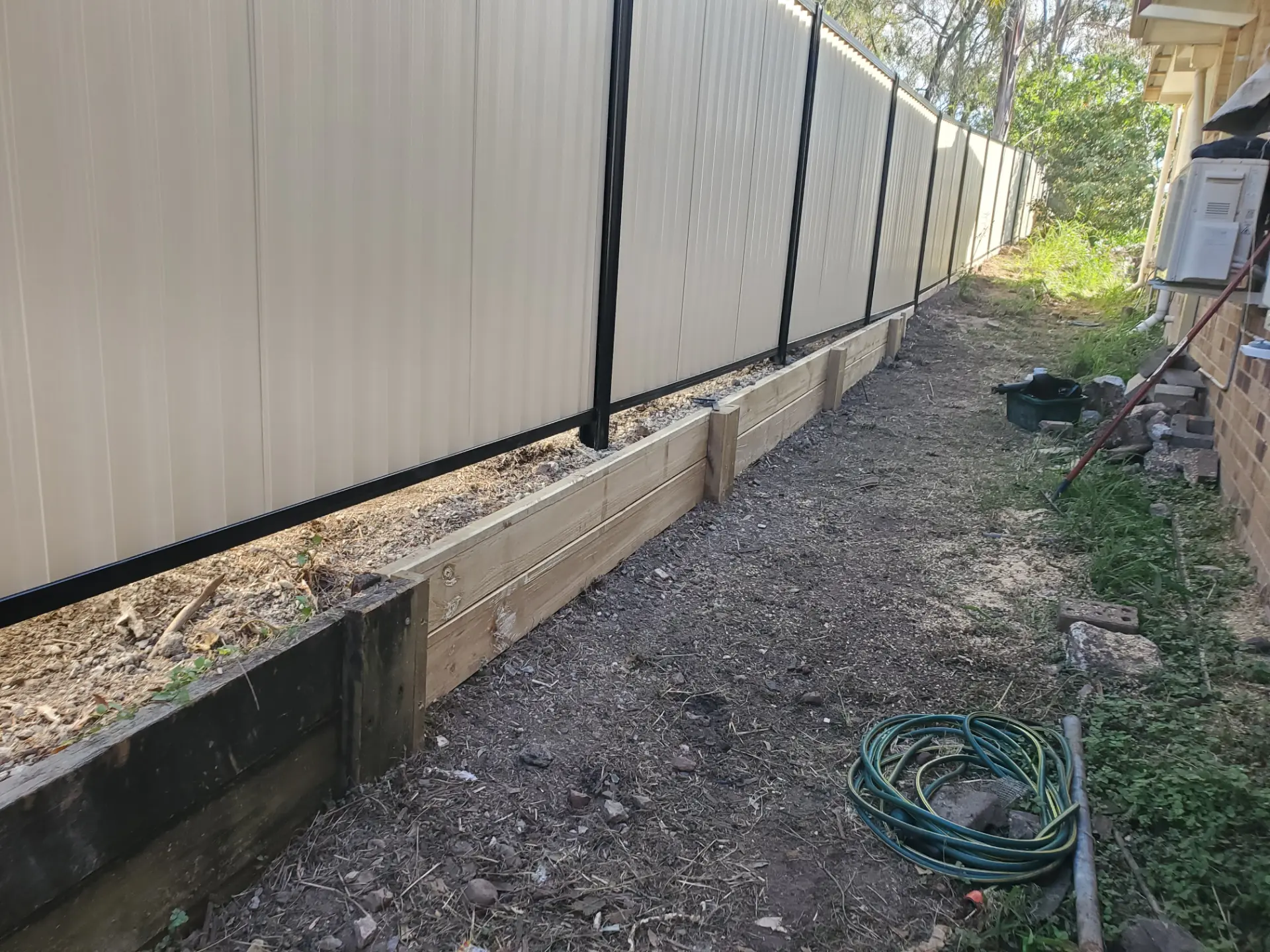
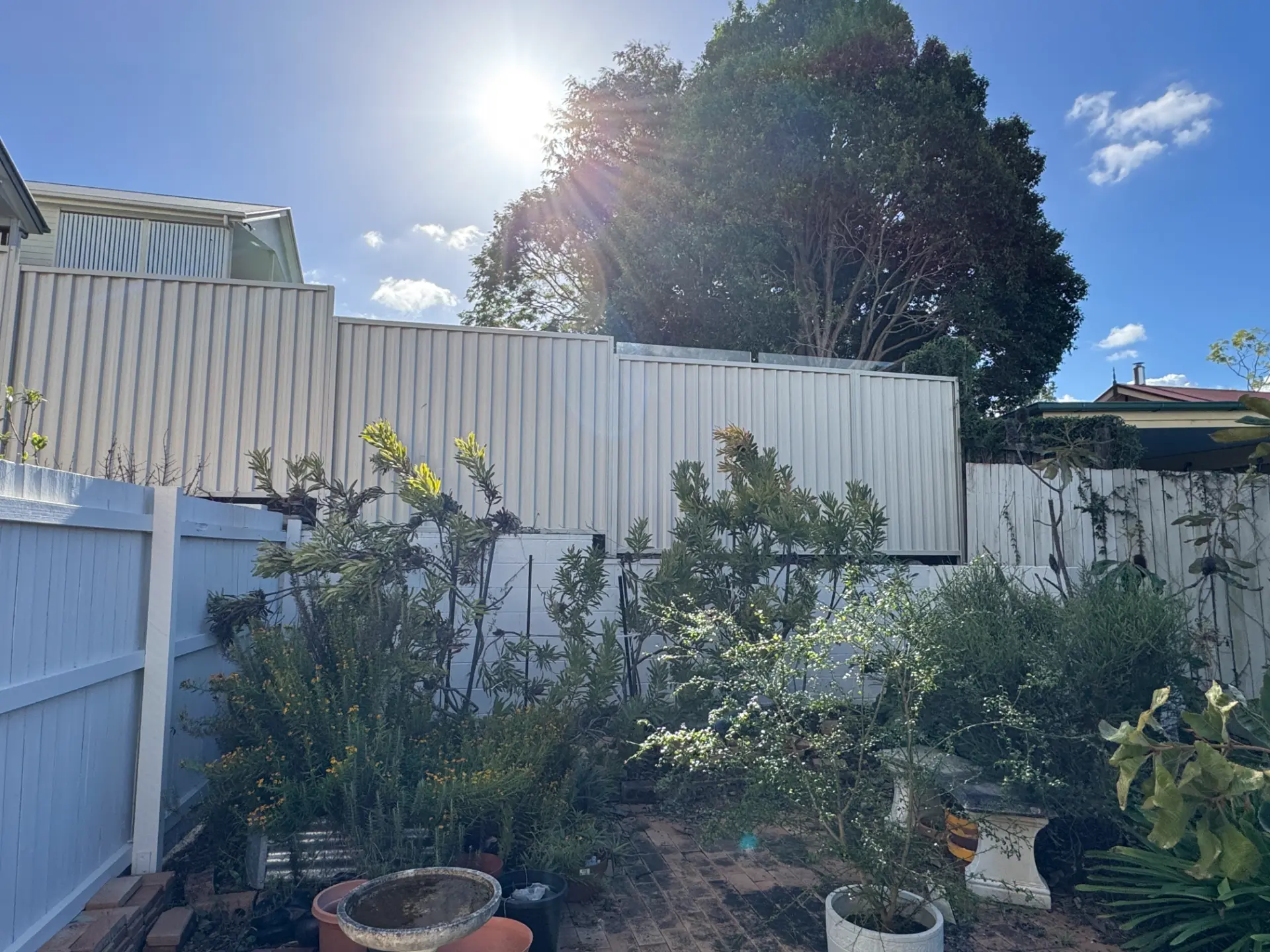
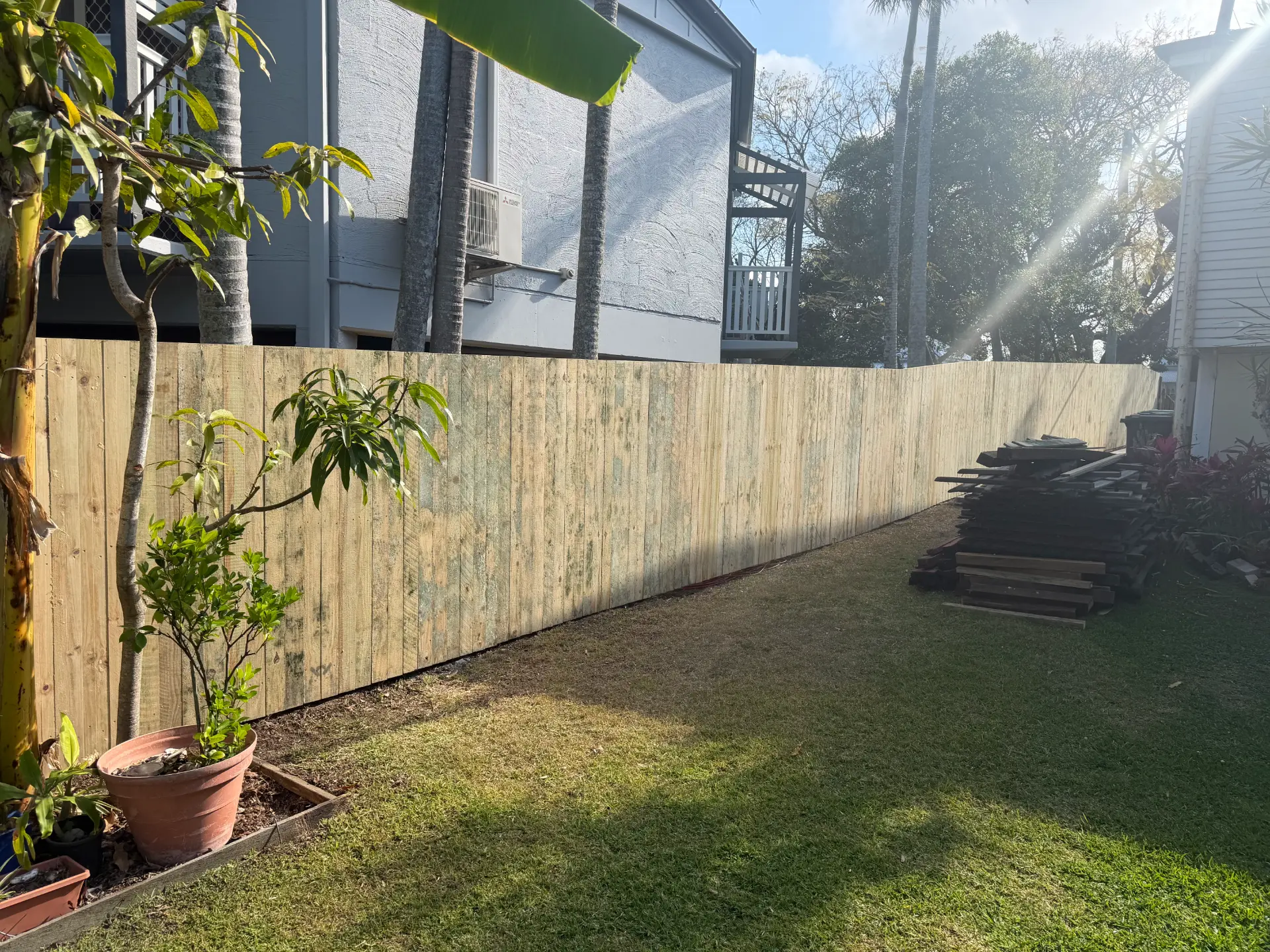
Recently we got a call from an investment property owner. Her new timber fence had only just been handed over by another contractor, and it was already leaning. She sent us photos, and the problems were obvious straight away.
What we saw in the photos
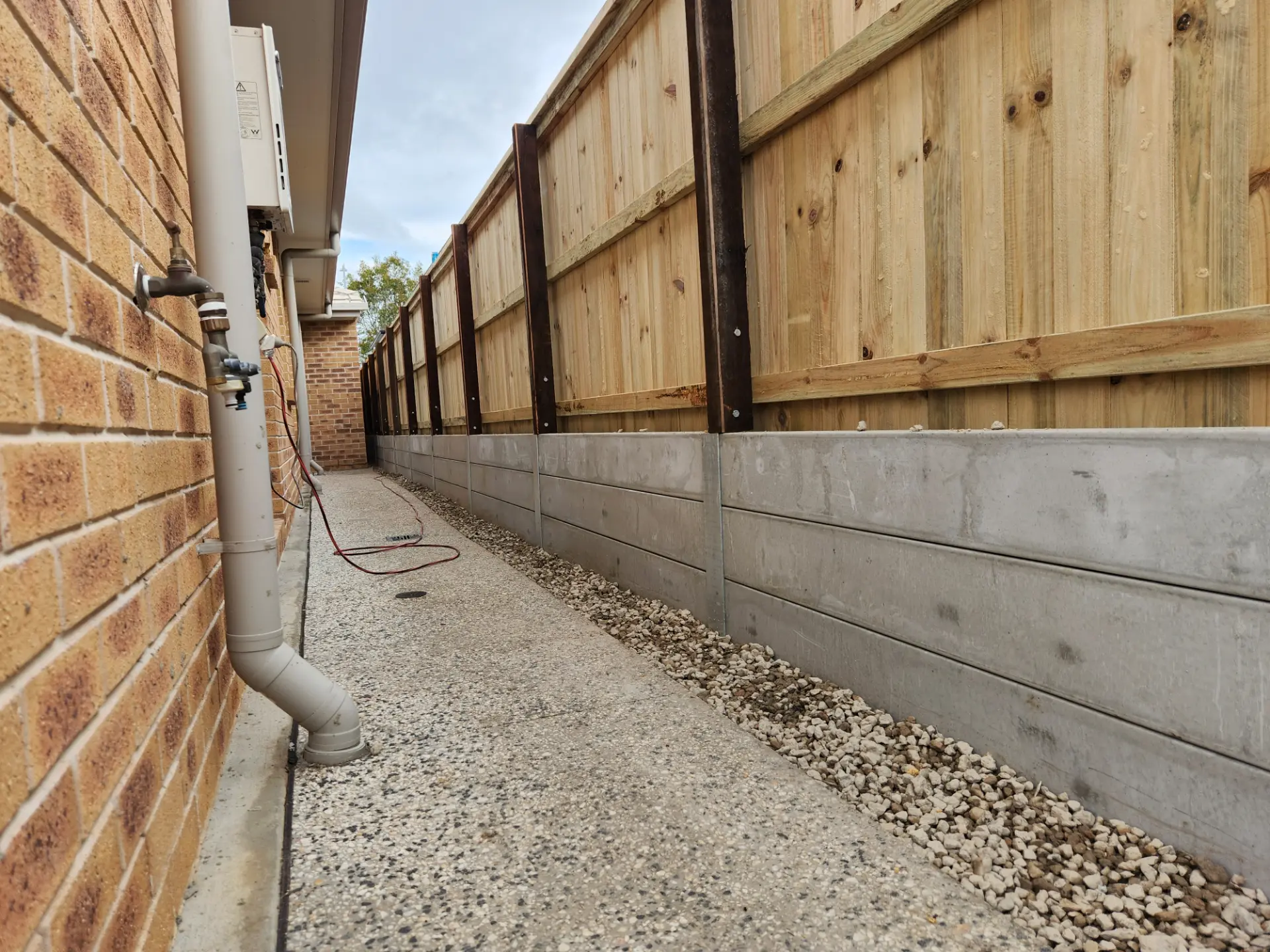
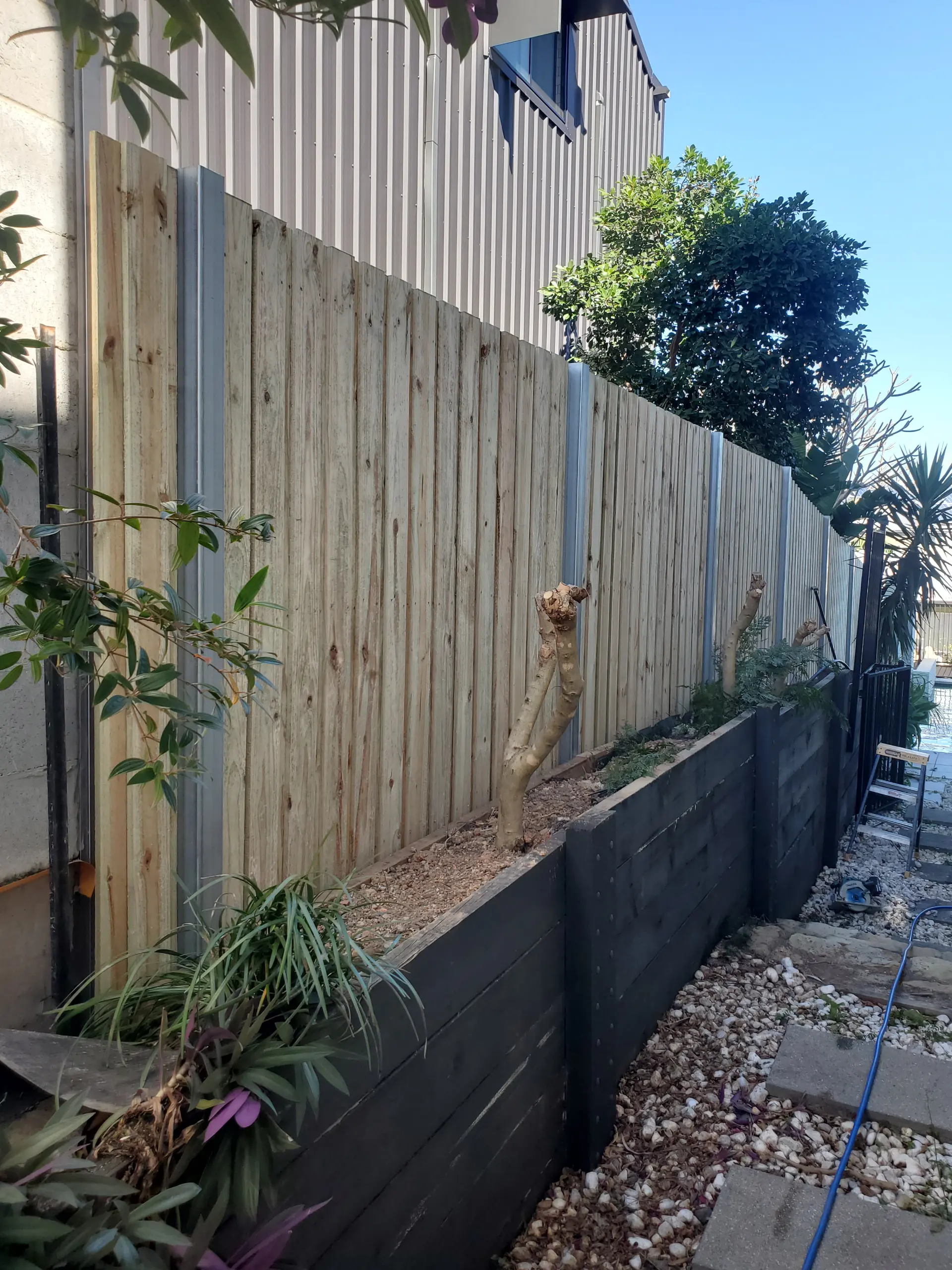
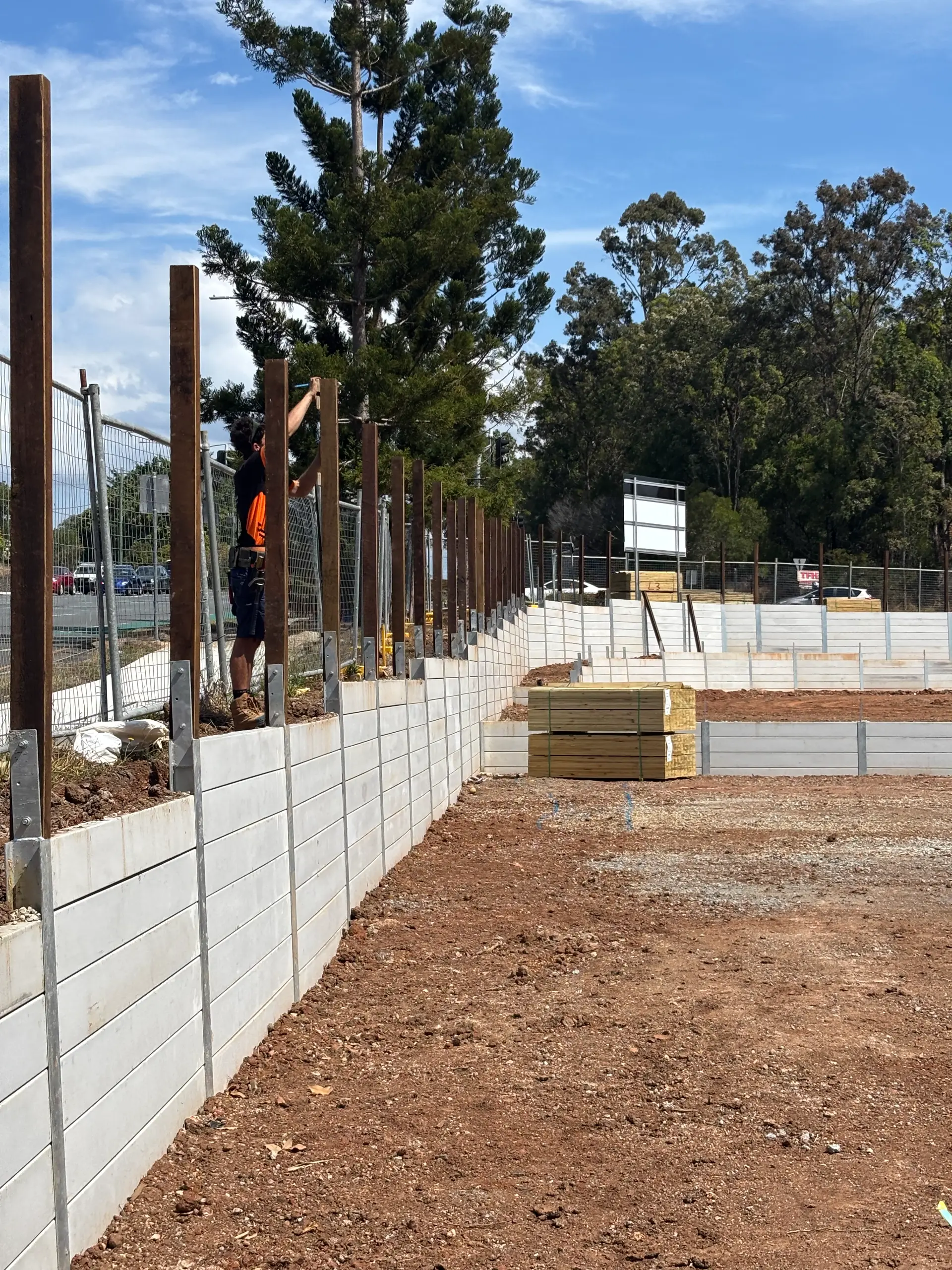
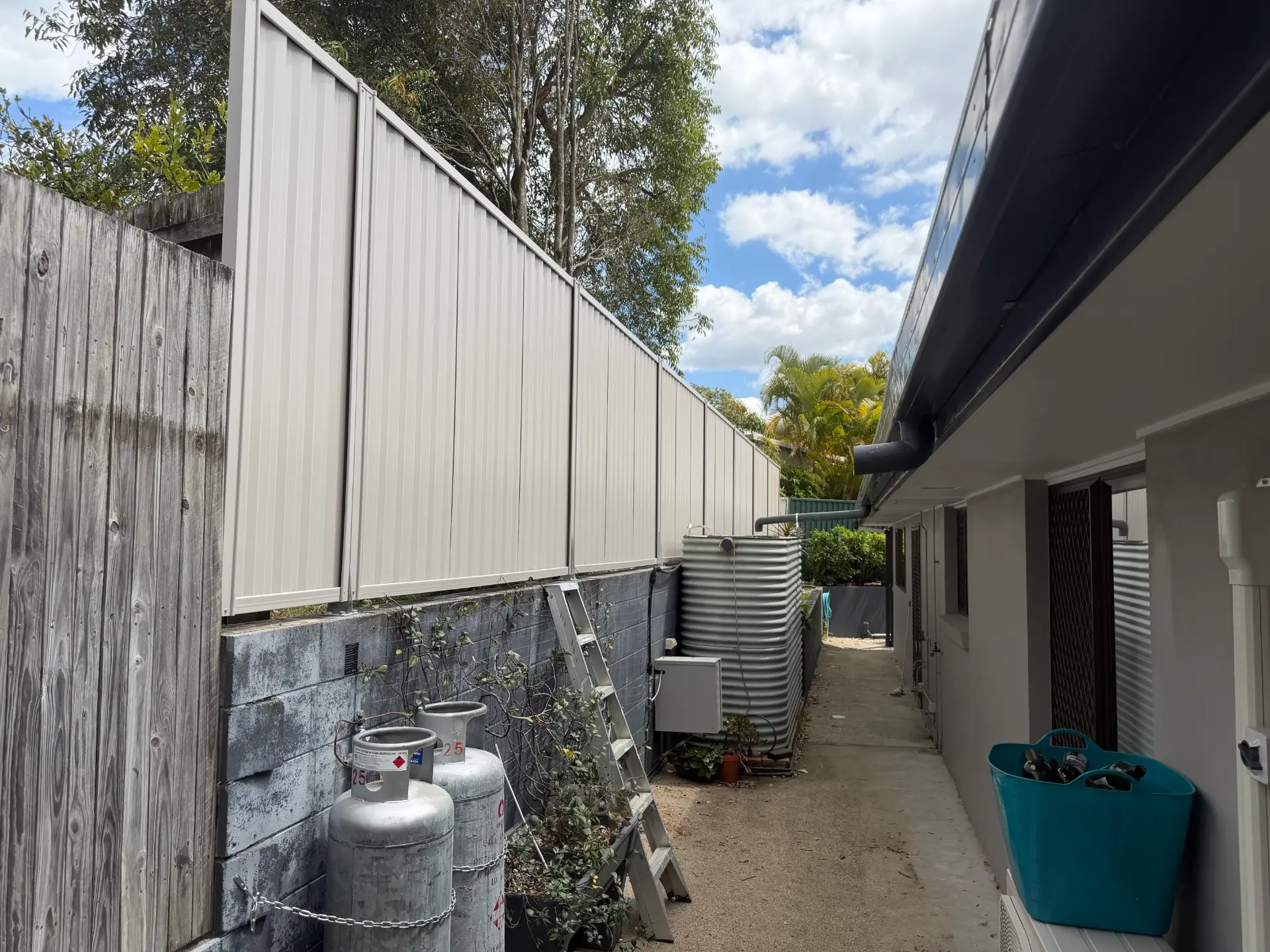
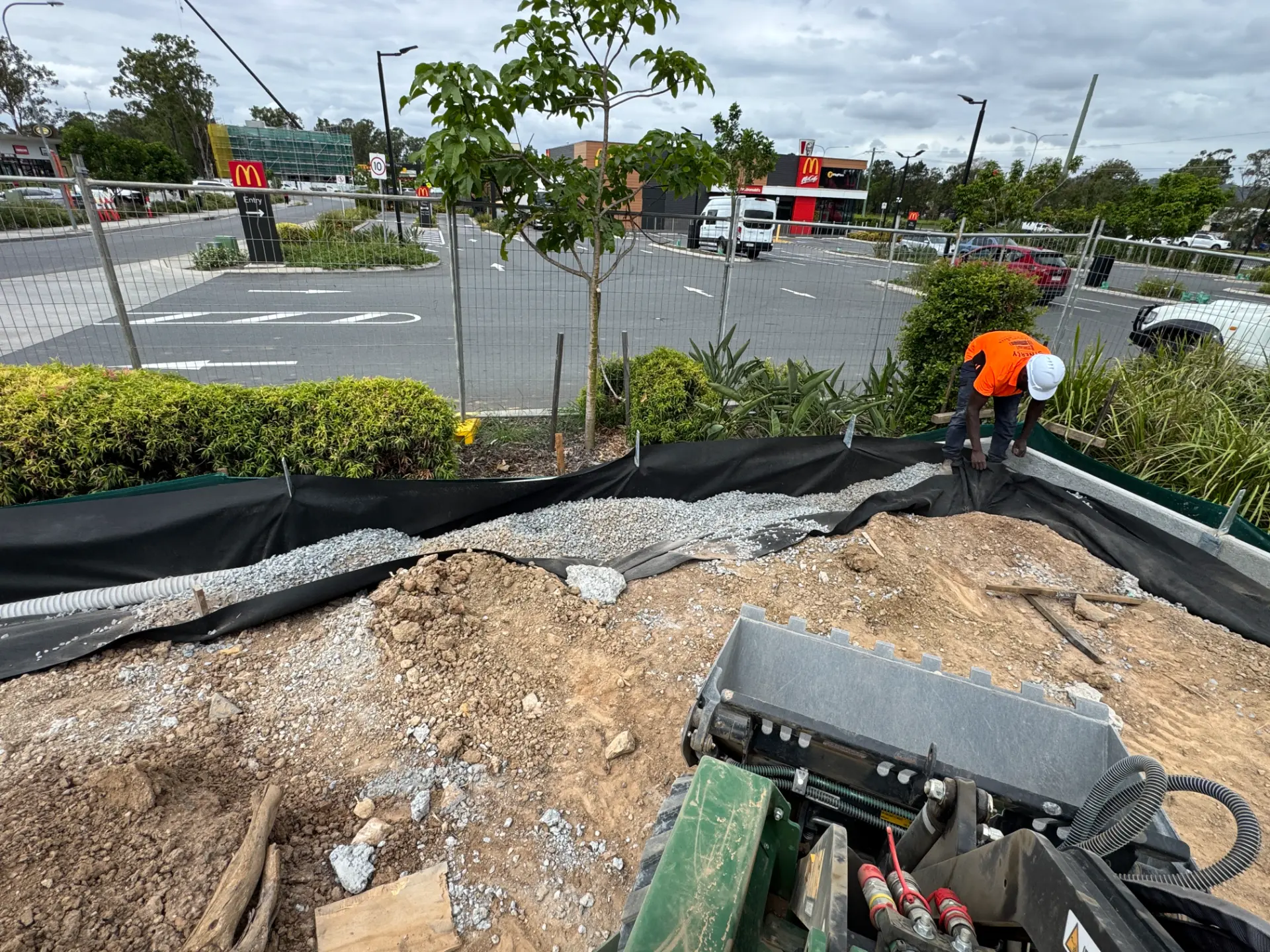
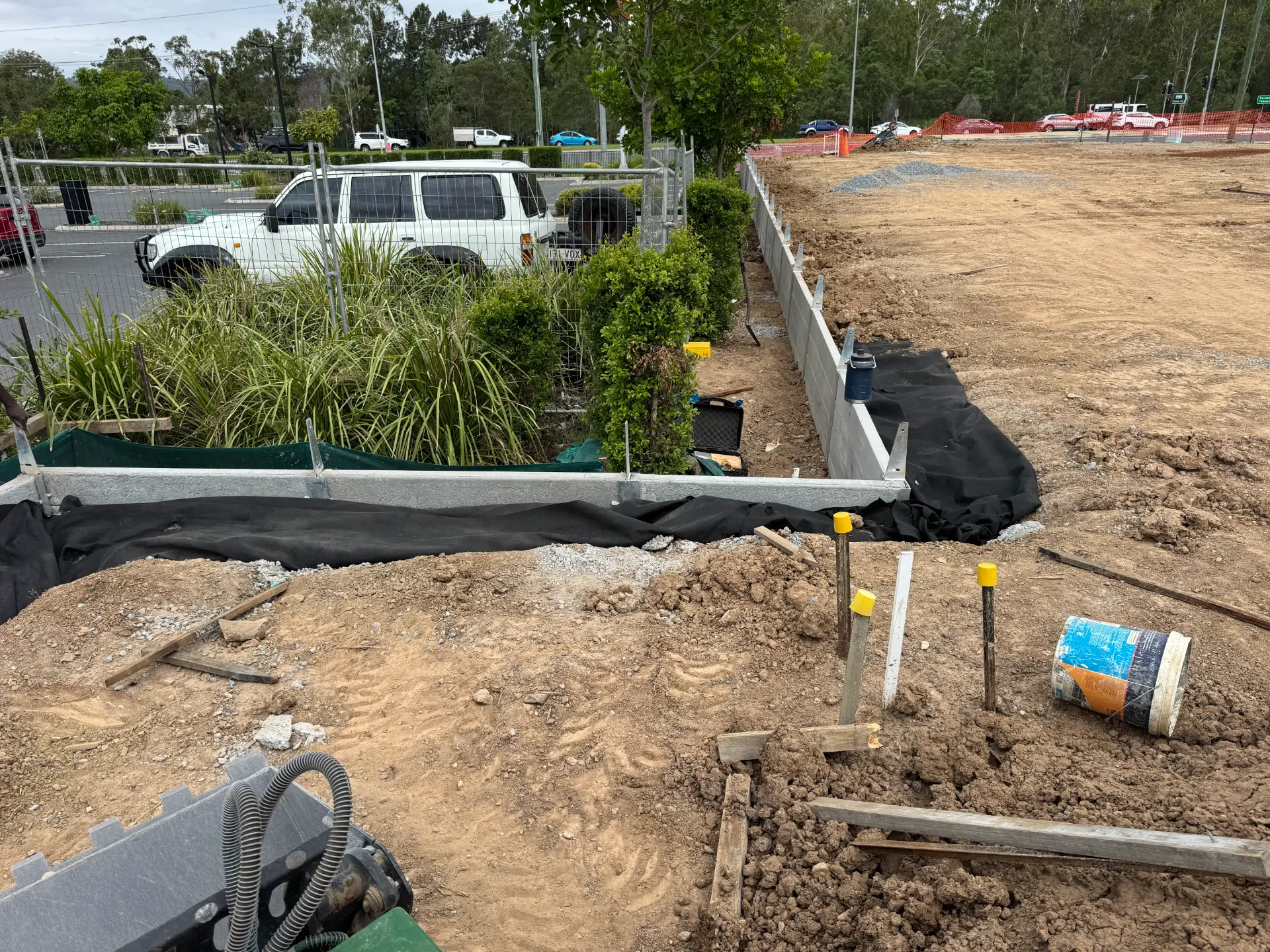
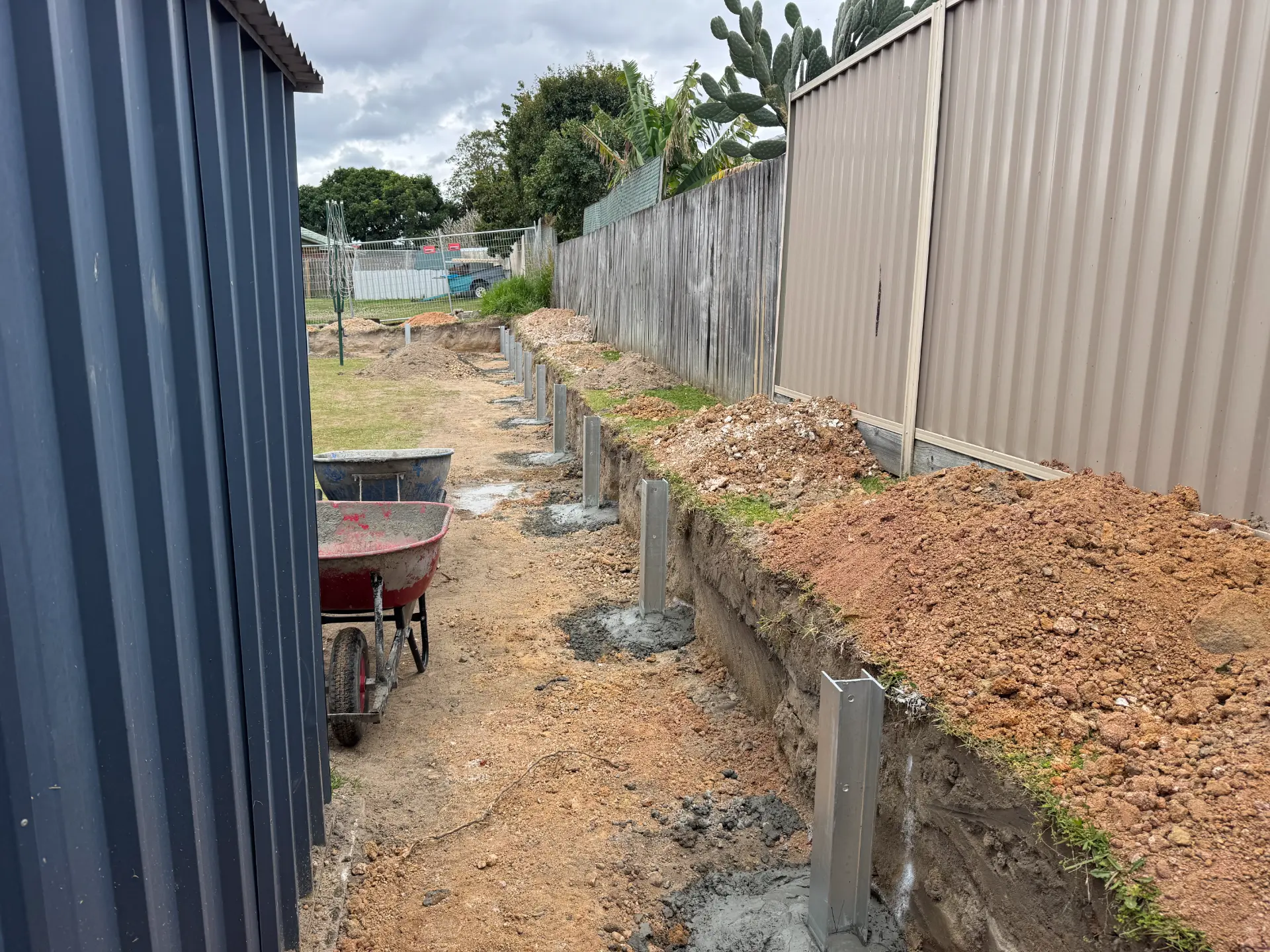
Bent shark fin brackets. The shark fins, the brackets that fix the fence posts to the retaining wall, were already bent. Nobody had bothered to straighten them before fixing the fence.
One bolt where two were needed. A timber fence sitting on a retaining wall needs two bolts at each bracket to hold it firm. This installer used only one. That single shortcut is the main reason the fence is leaning.
The wrong screws. The screws used weren't suited to the job. Over time, cheap or wrong fixings can rust, loosen and let go, especially outdoors in Queensland weather.
Why this happens
When a quote is cut right down to win the job, something has to give. Usually it's the things you can't see on handover day: how many fixings go in, what grade of hardware is used, and whether anyone takes the time to fix small problems before moving on.
The fence looks finished. It might even look good for a few weeks. Then it starts to move.
The real cost
For an investment property owner, a leaning fence isn't just ugly. It can mean:
- Tenant complaints and safety worries
- Paying a second contractor to fix or rebuild it
- Possible damage to the retaining wall underneath
- Time and stress chasing the original installer
The cheap quote ends up being the expensive one.
What to ask before you choose a fencer
- How will the fence be fixed to the retaining wall, and how many bolts per bracket?
- What grade of screws and hardware do you use?
- Who checks the work before handover?
- Are you QBCC licensed, and what warranty do you give?
The bottom line
If price is your only focus, bear in mind that quality is usually what gets cut to reach it. A fence is meant to last years, not weeks. Paying a fair price for the right fixings and proper workmanship costs far less than paying twice.
We would rather explain why the job costs what it does than hand over a fence that leans a month later.
Questions about your fence? Call us on 07 2141 7748, get a price online or let's have a chat.
Related posts




Ready to start? So Are We.
